Building electronics projects becomes much easier when you have the right tools and accessories. Whether you’re working with Arduino boards, prototyping circuits, or repairing devices, small, affordable tools can significantly improve your productivity.
The good news is that many practical electronics tools cost less than $20 and are widely available online. These tools are especially useful for beginners, students, and hobbyists who want to build their own electronics lab without spending too much.
In this article, we will explore 10 useful DIY electronics tools and accessories under $20 that are popular among electronics makers and engineers.
Table of Contents
1. Breadboard Power Supply Module
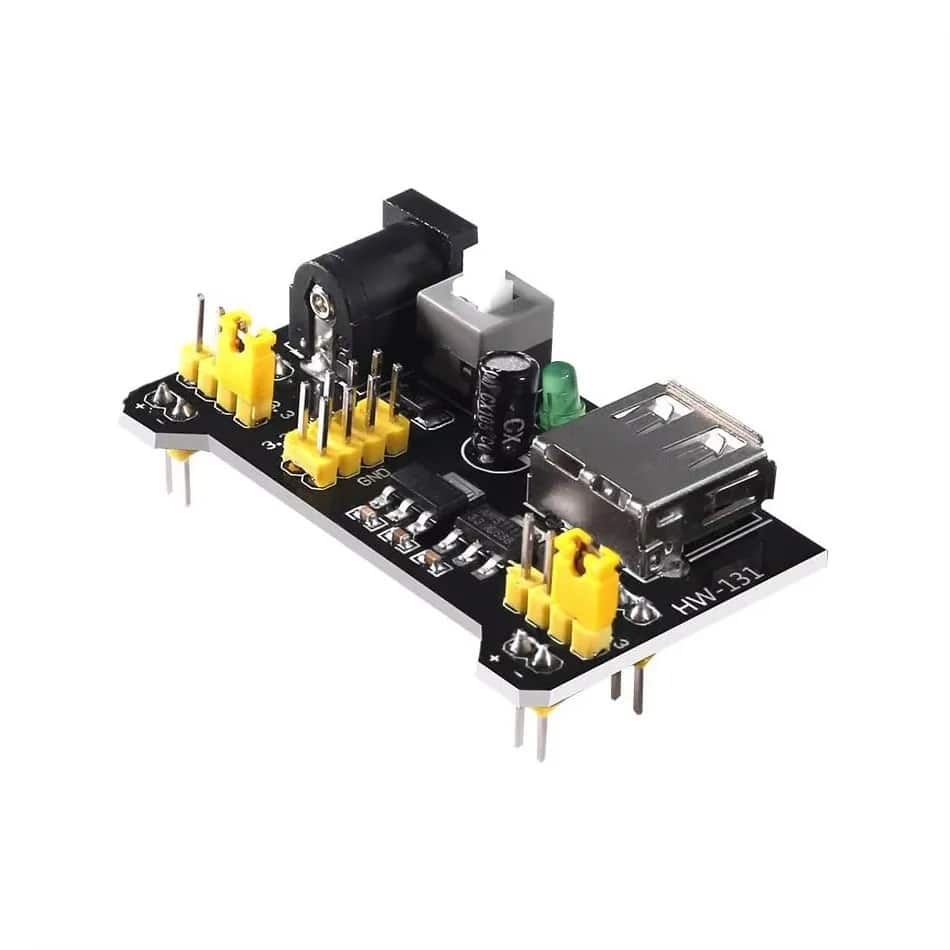
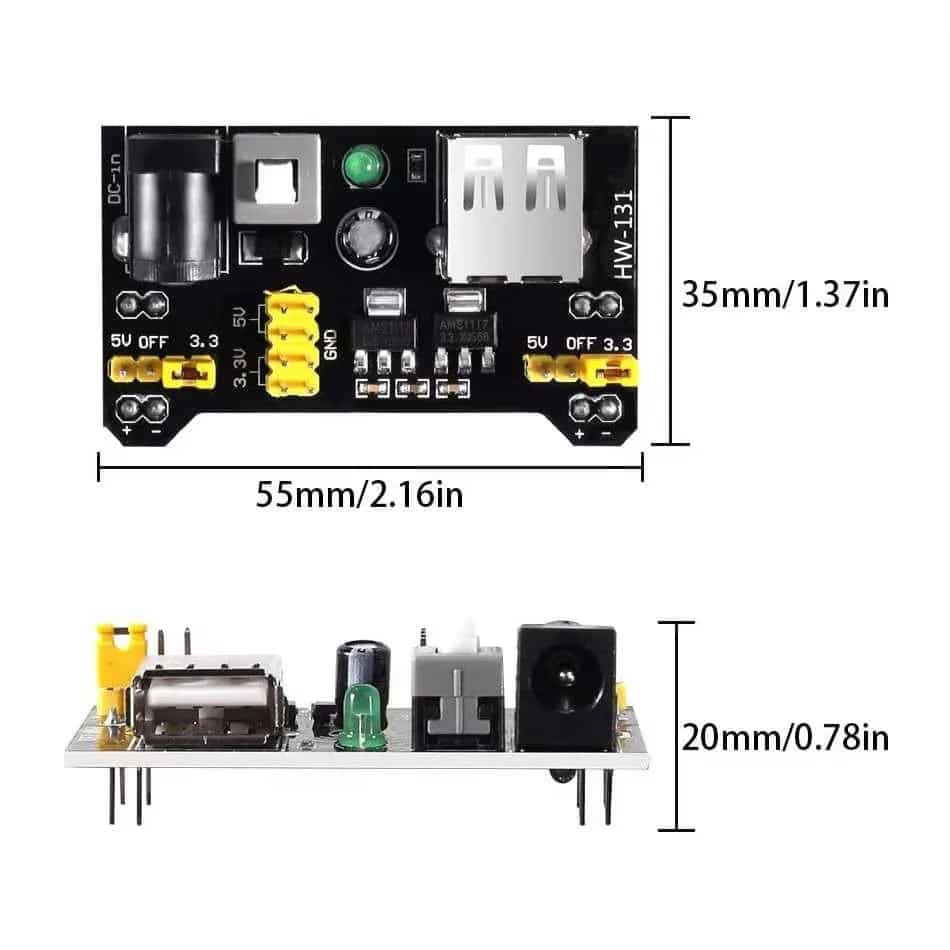
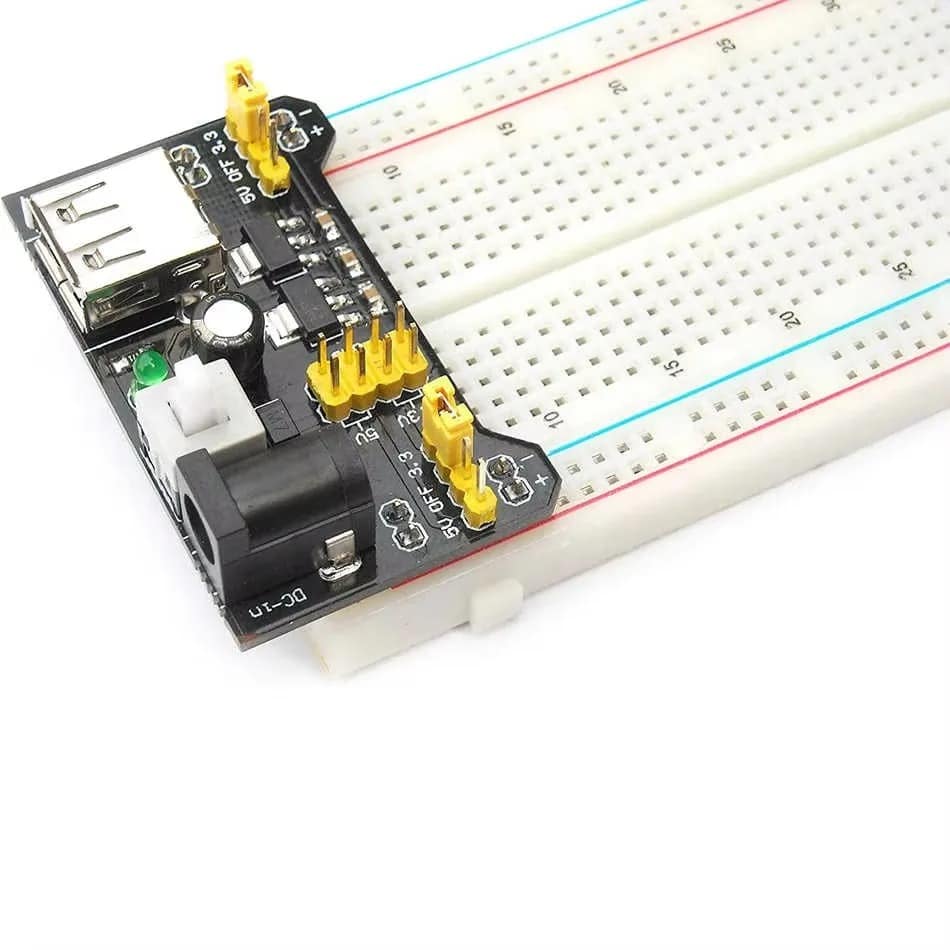
A breadboard power supply module is a convenient way to power your prototype circuits.
Why it’s useful
- Provides stable 3.3V and 5V outputs
- Easy to plug directly into a breadboard
- Ideal for Arduino and sensor testing
This small module simplifies powering experimental circuits.
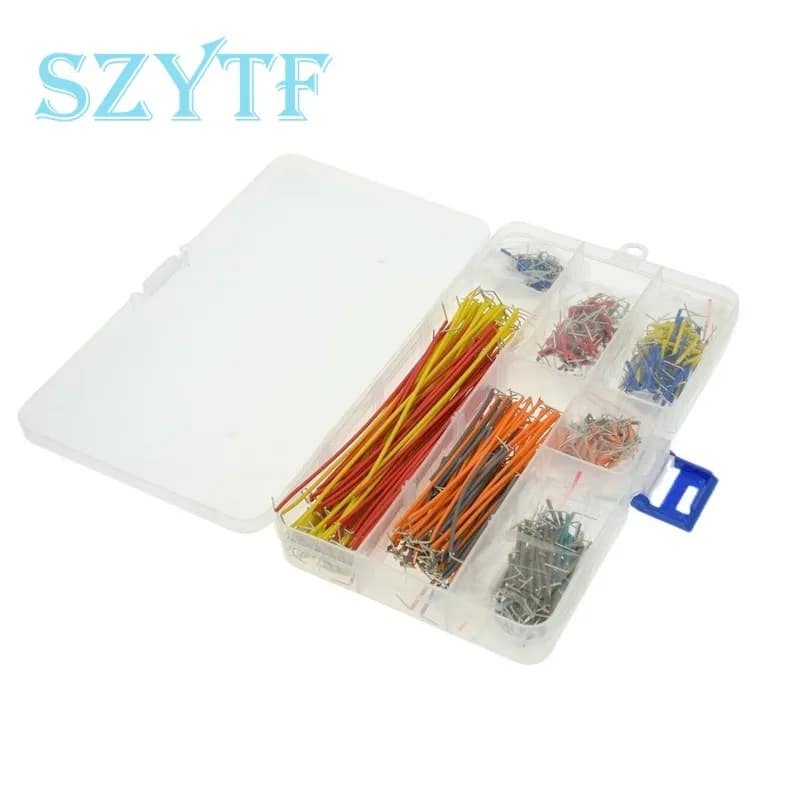
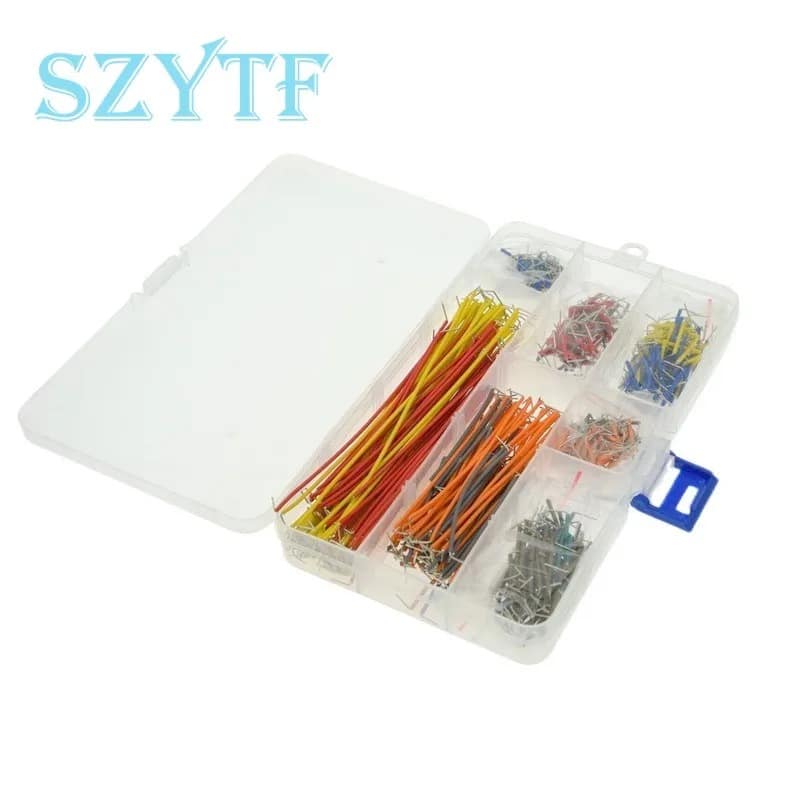
2. Breadboard Jumper Wire Kit
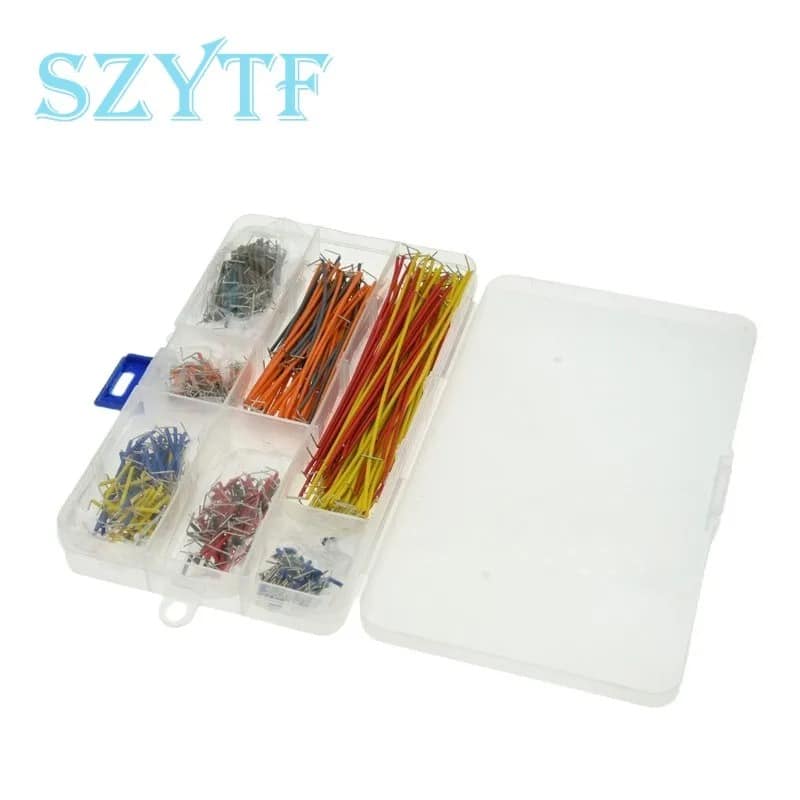
Jumper wires are essential for connecting components on a breadboard.
Why it’s useful
- Allows quick circuit modifications
- Eliminates the need for soldering
- Perfect for rapid prototyping
Most kits include male-to-male, male-to-female, and female-to-female wires.
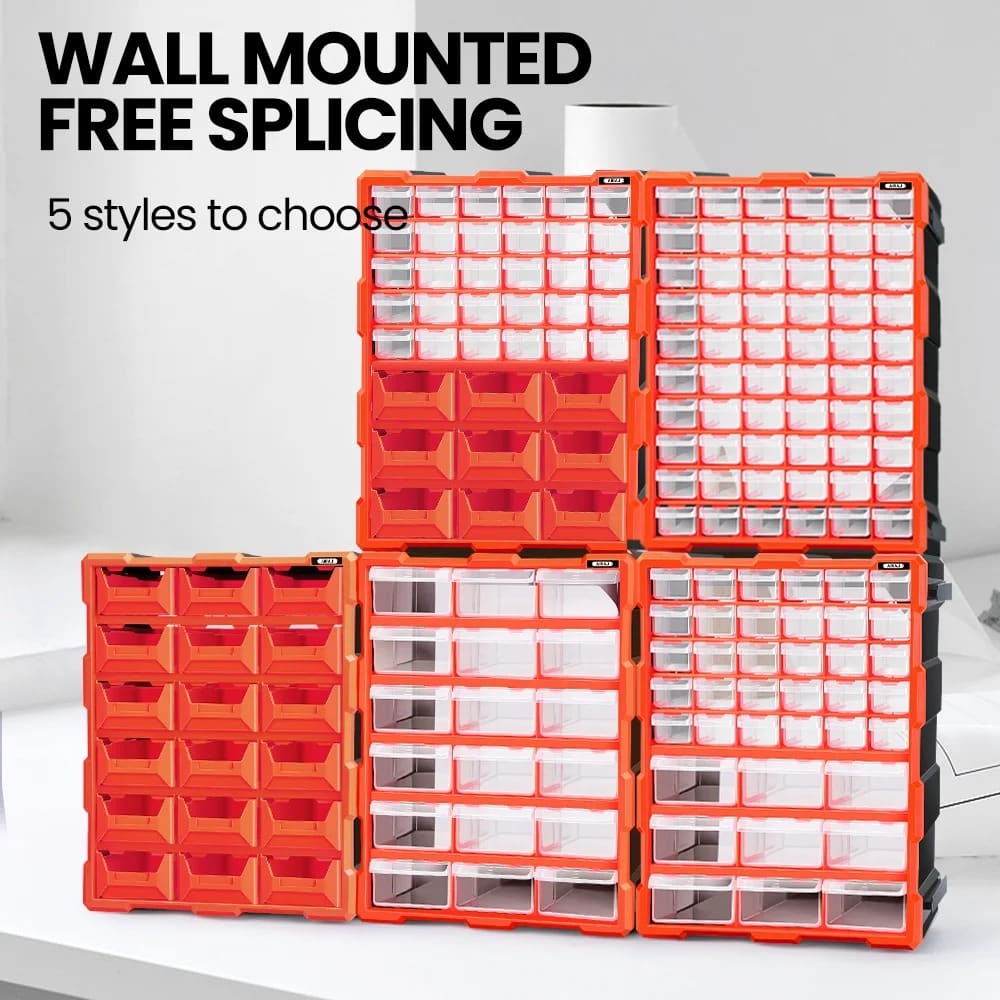
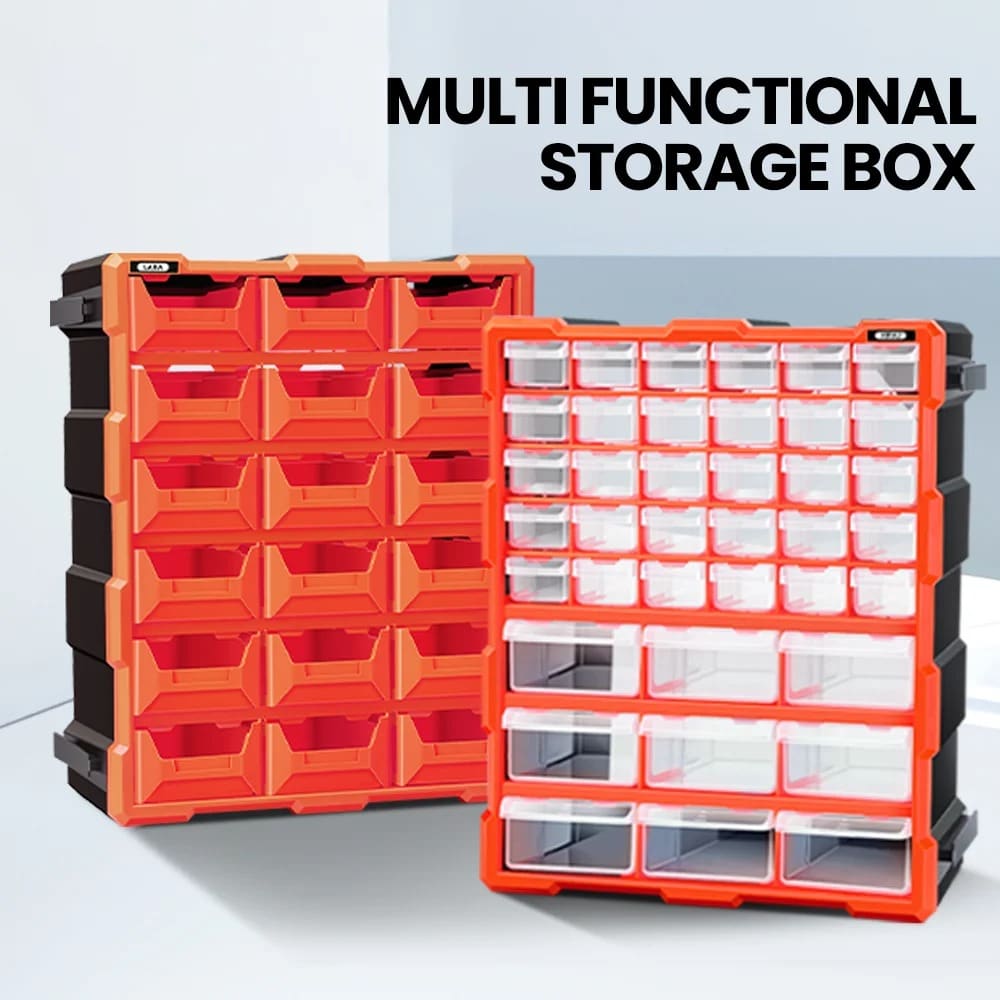
3. Component Storage Organizer Box
Small electronic components are easy to lose without proper storage.

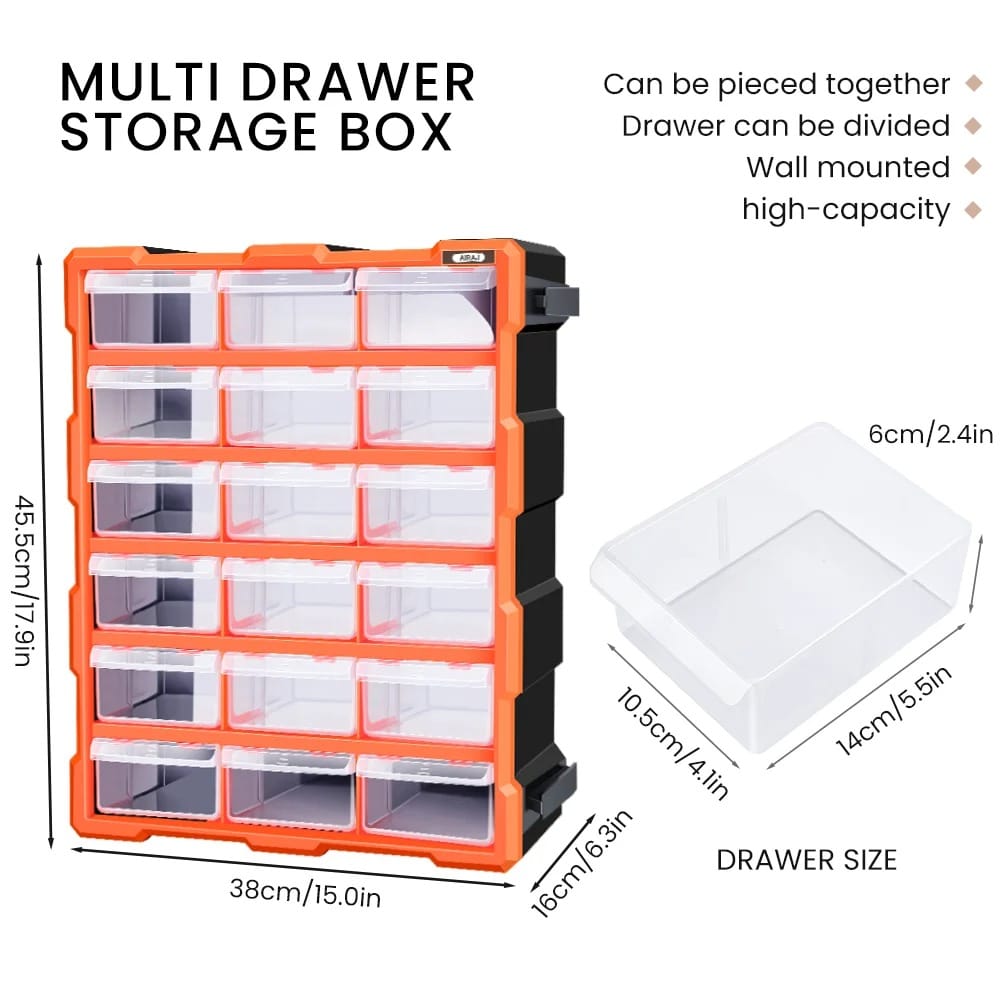
Why it’s useful
- Keeps resistors, capacitors, and ICs organized
- Makes components easy to find
- Improves workspace efficiency
These plastic organizers are very common in electronics workshops.
4. Solder Wick (Desoldering Braid)
Solder wick helps remove unwanted solder from circuit boards.
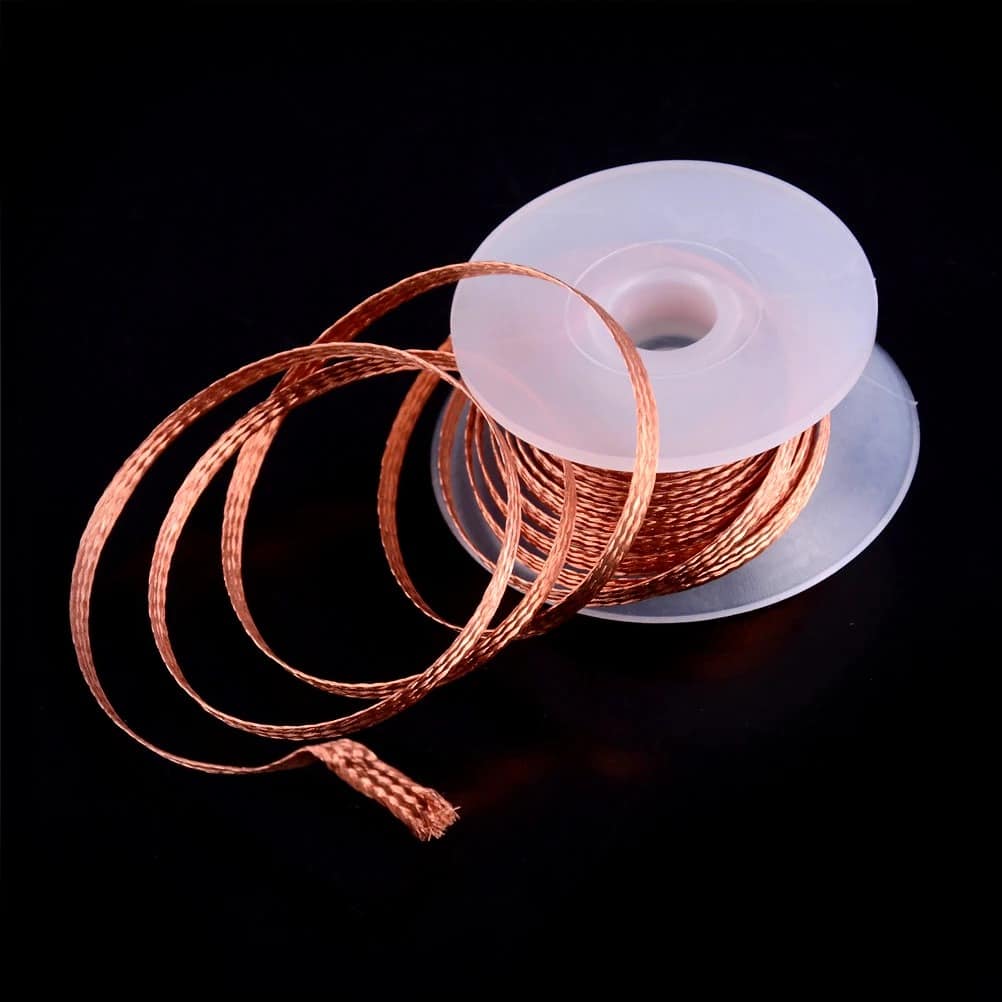
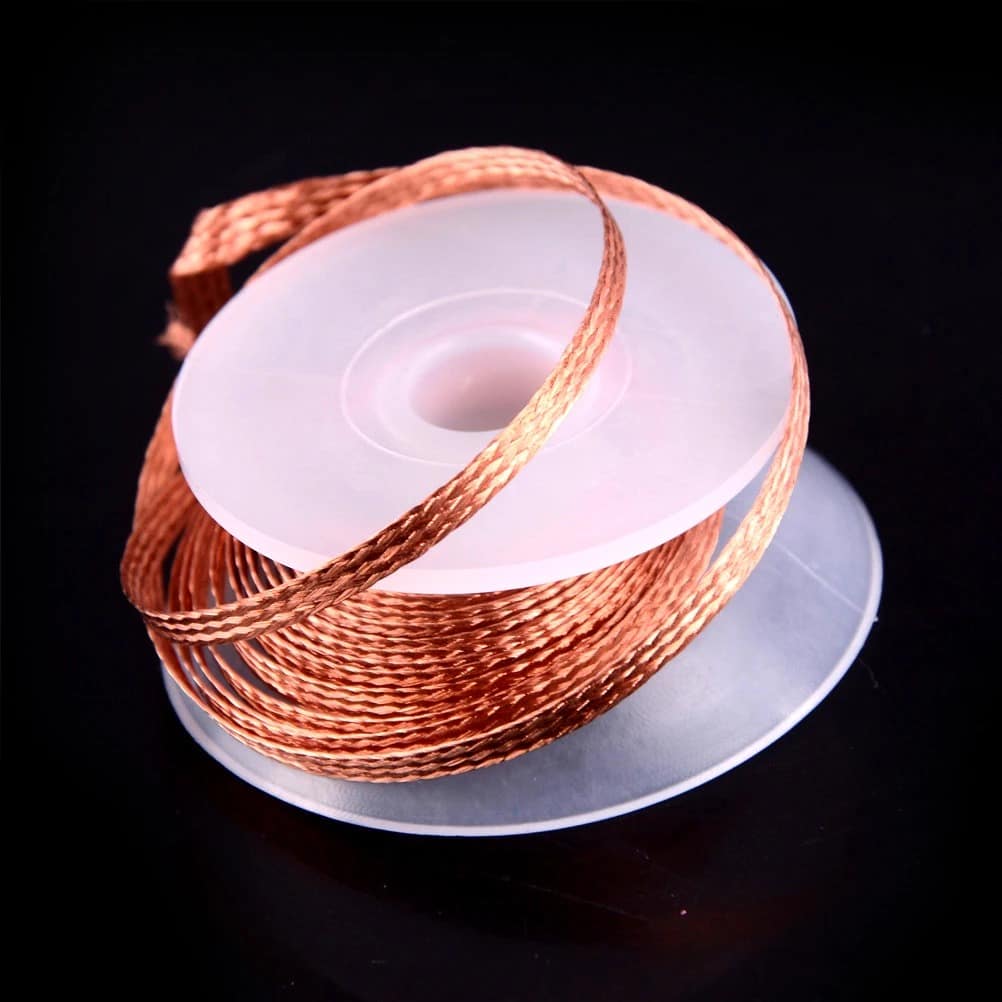
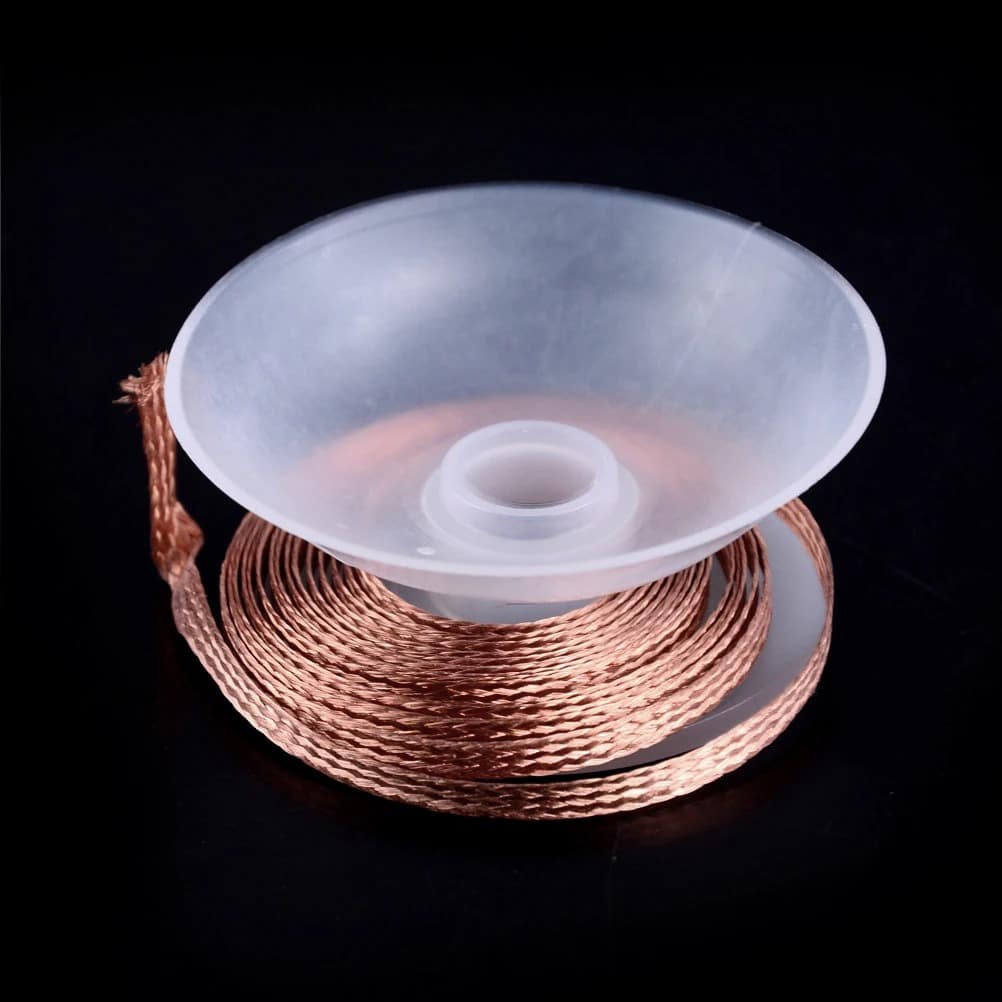

Why it’s useful
- Cleans excess solder
- Useful for correcting soldering mistakes
- Helps repair damaged connections
A very important tool for PCB rework.
5. Desoldering Pump (Solder Sucker)
A desoldering pump quickly removes molten solder from PCBs.
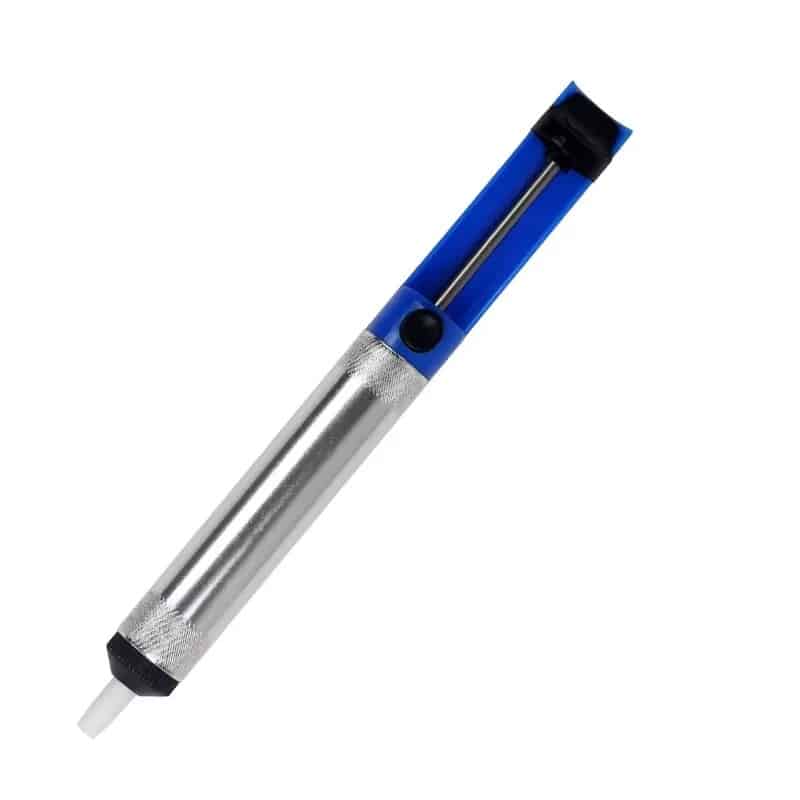
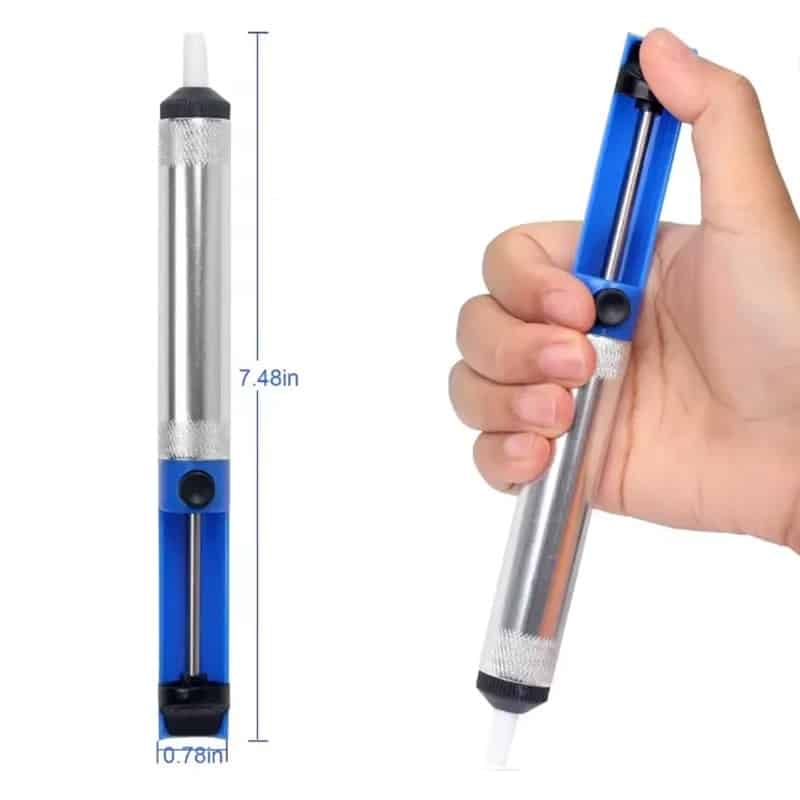
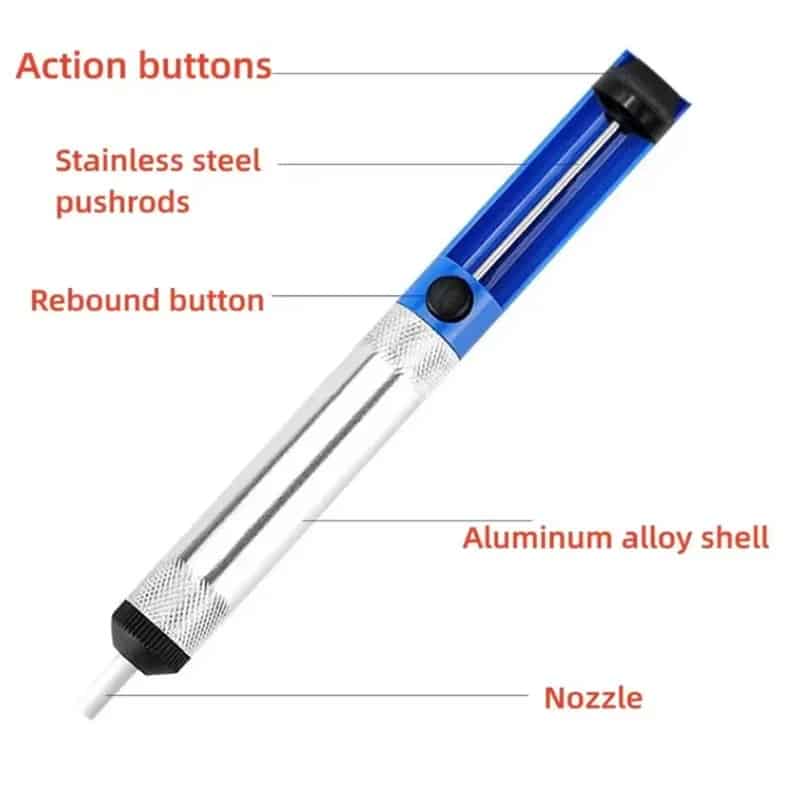
Why it’s useful
- Removes components from circuit boards
- Helps repair electronics
- Works well with through-hole components
This tool is commonly used in electronics repair.
6. Anti-Static ESD Tweezers
Electronics components are sensitive to static electricity.
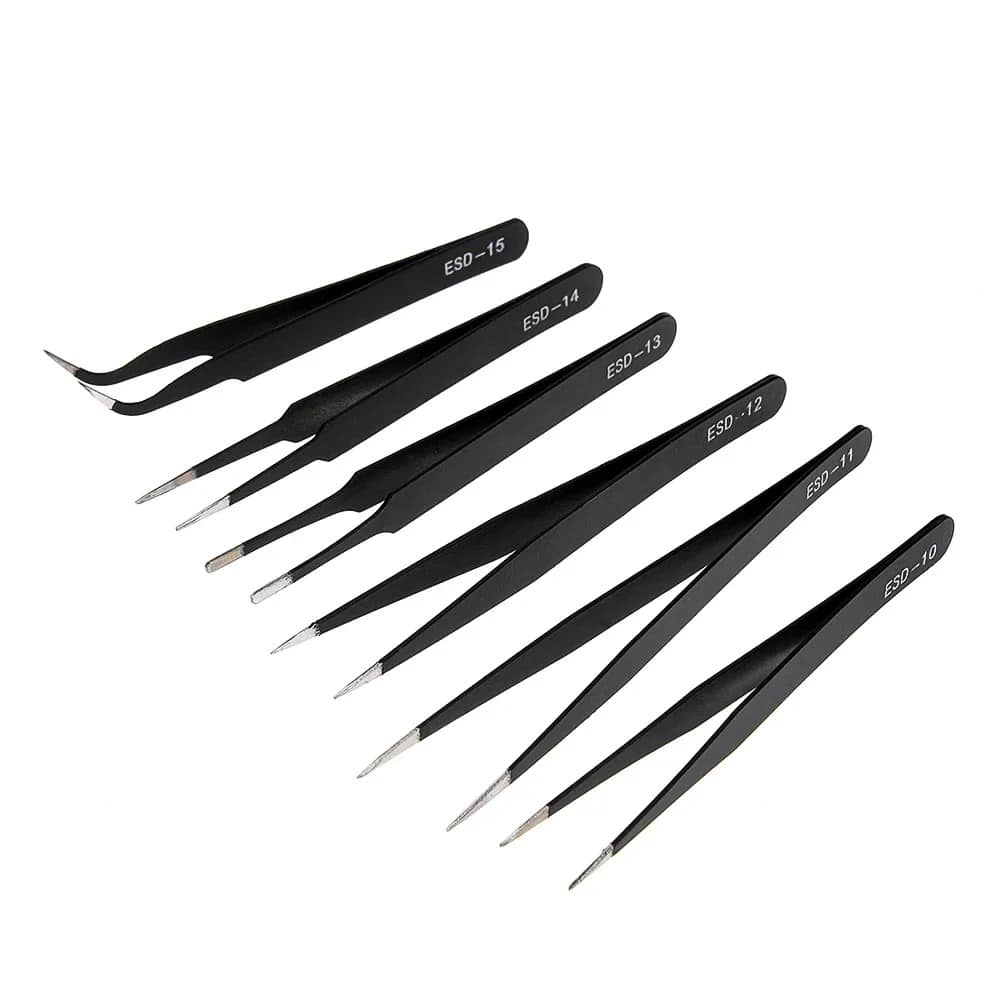
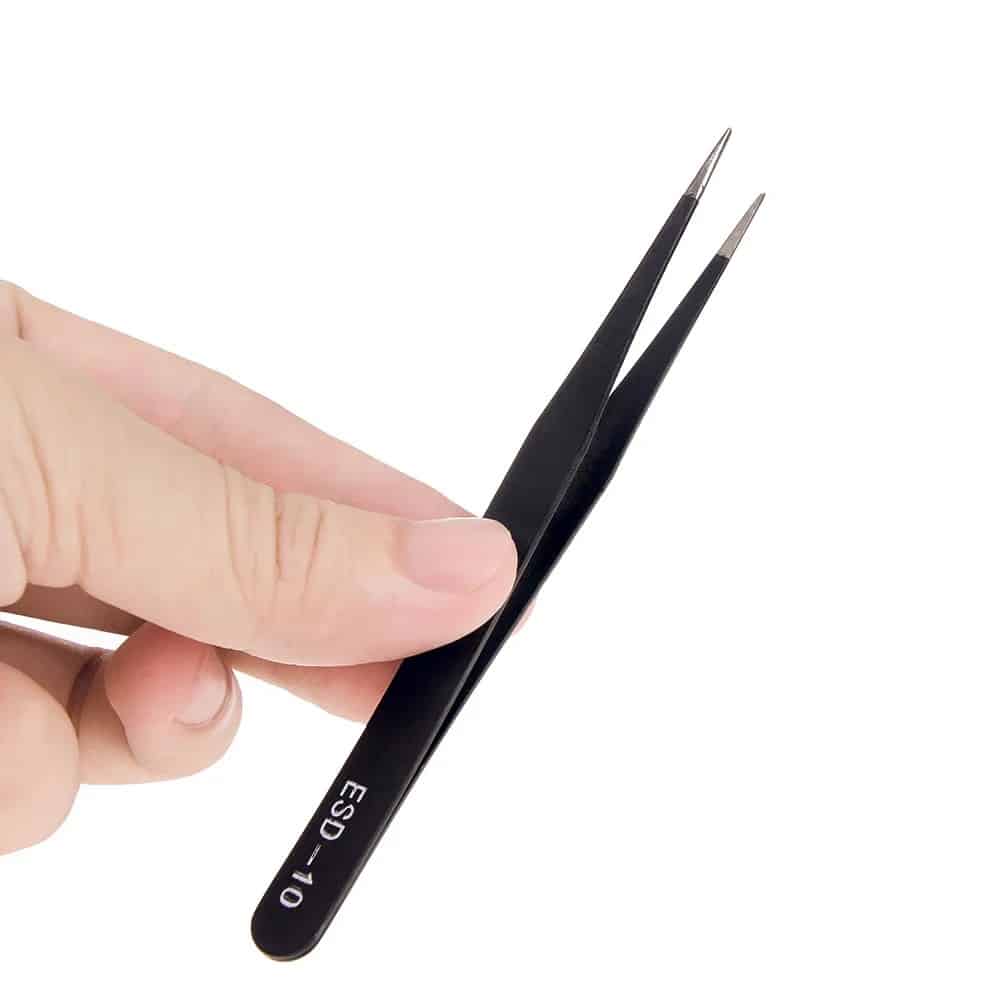
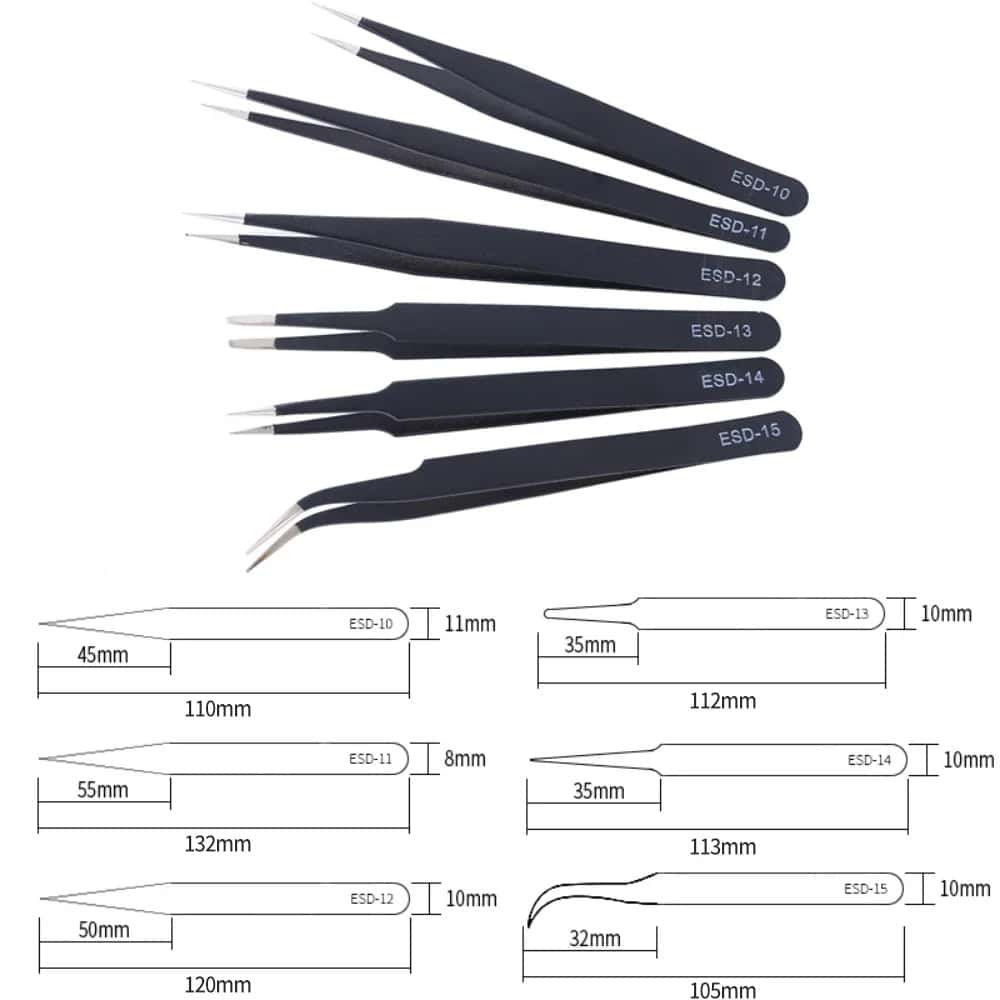
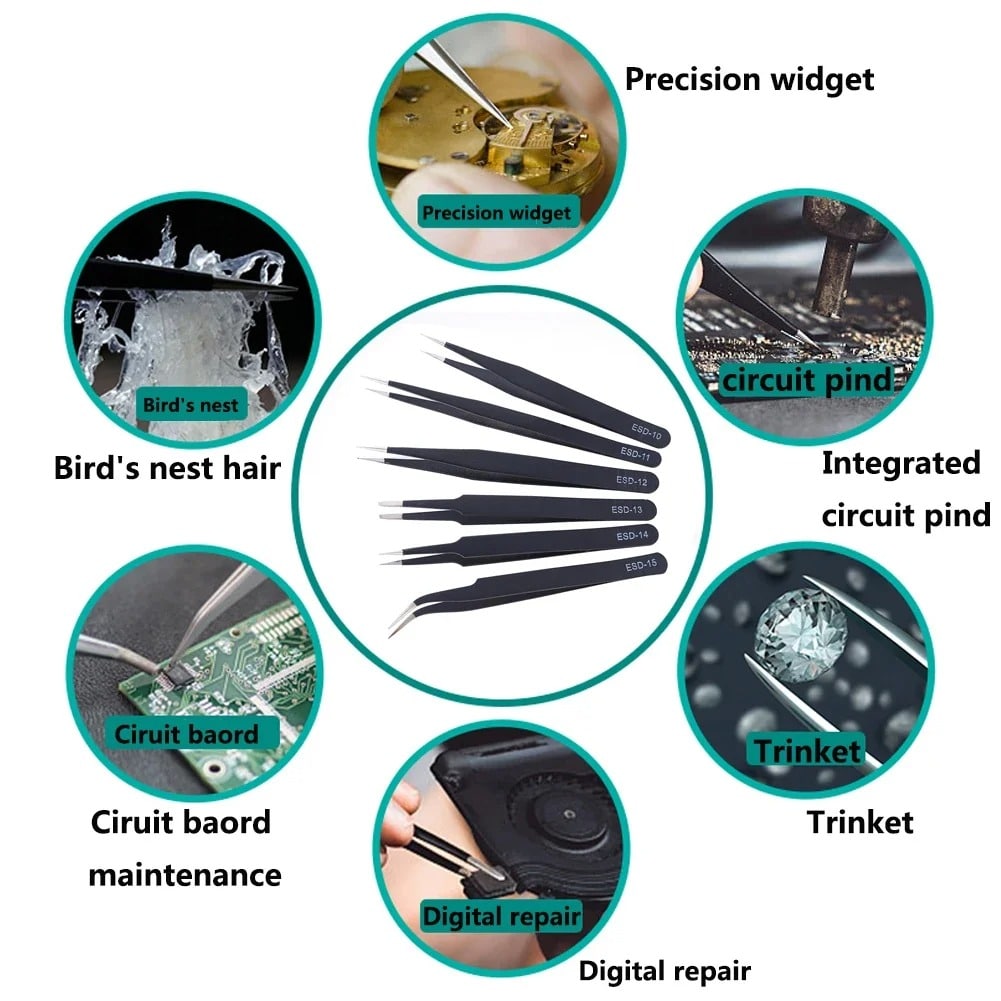
Why it’s useful
- Prevents electrostatic damage
- Ideal for handling SMD components
- Improves precision during assembly
These tweezers are widely used in electronics manufacturing.
7. Mini PCB Drill Set
When building custom PCBs or prototypes, drilling holes becomes necessary.
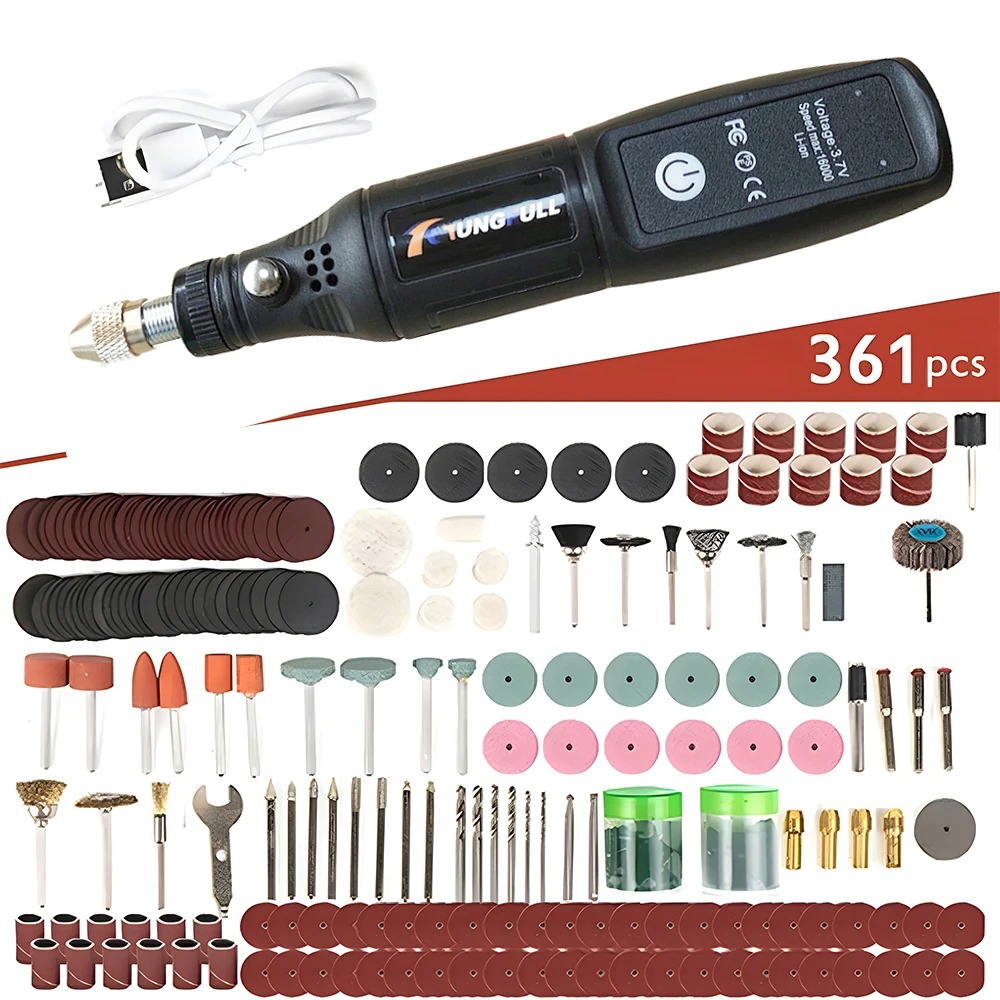
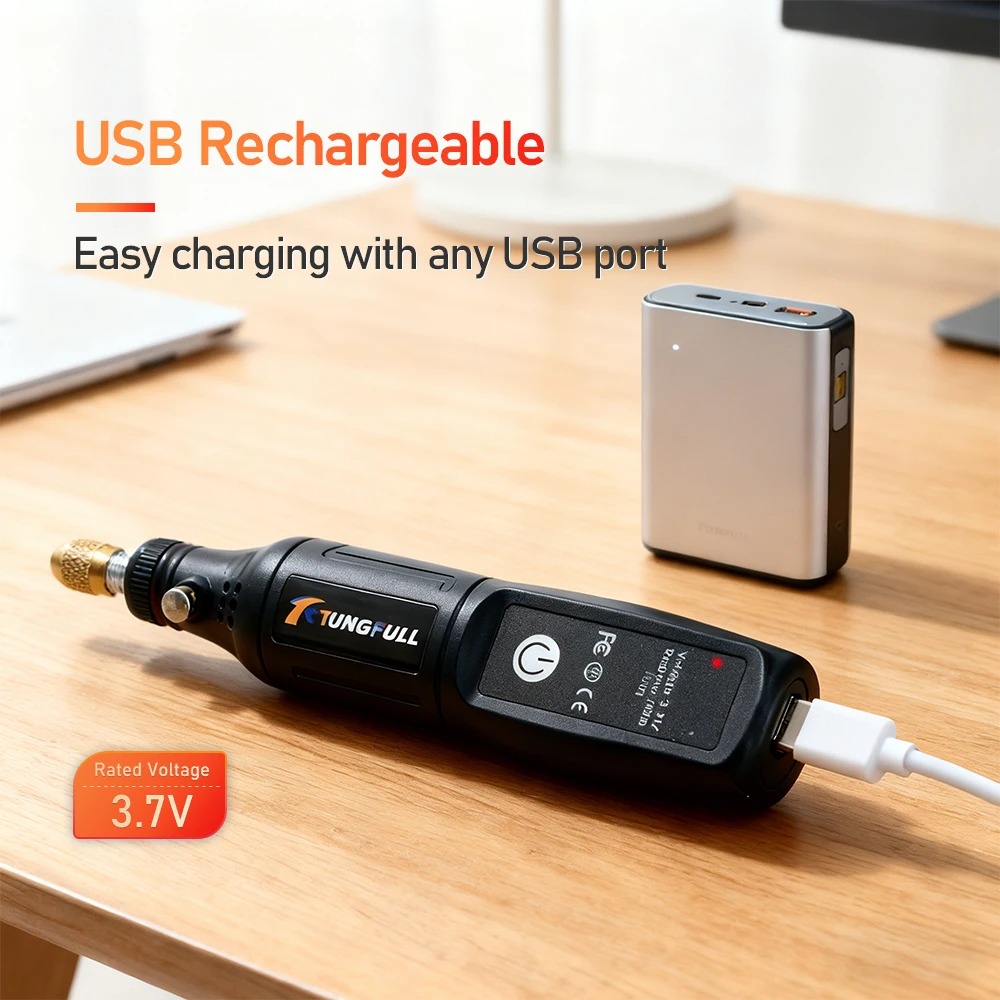

Why it’s useful
- Perfect for DIY PCB fabrication
- Useful for enclosure modification
- Provides precise drilling
Many kits include micro drill bits for small holes.
8. Heat Shrink Tubing Kit
Heat-shrink tubing is used for insulation and wire protection.
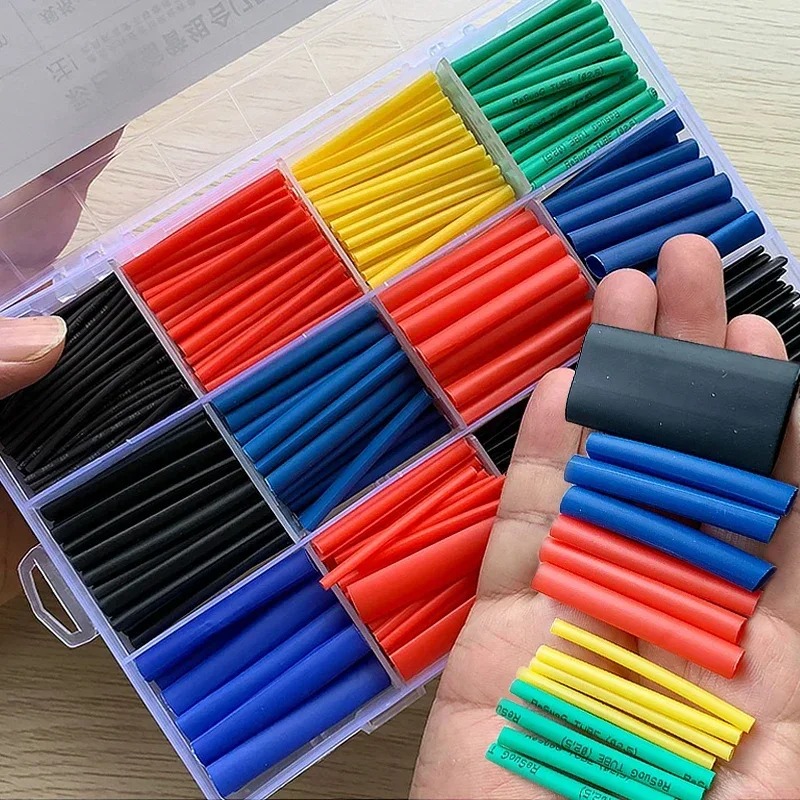
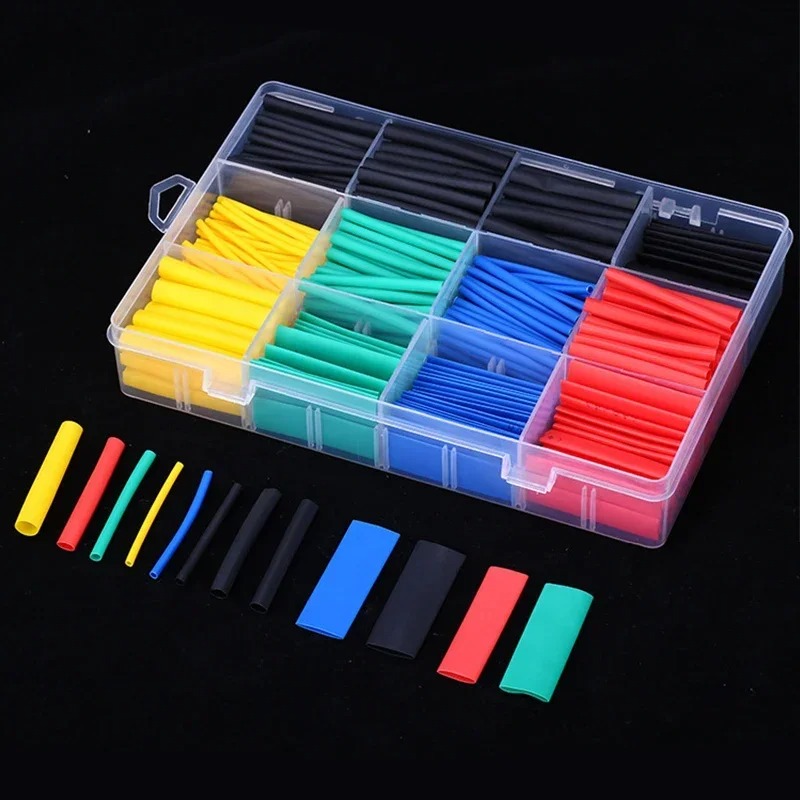


Why it’s useful
- Protects solder joints
- Prevents short circuits
- Improves cable management
A simple but essential accessory for electronics projects.
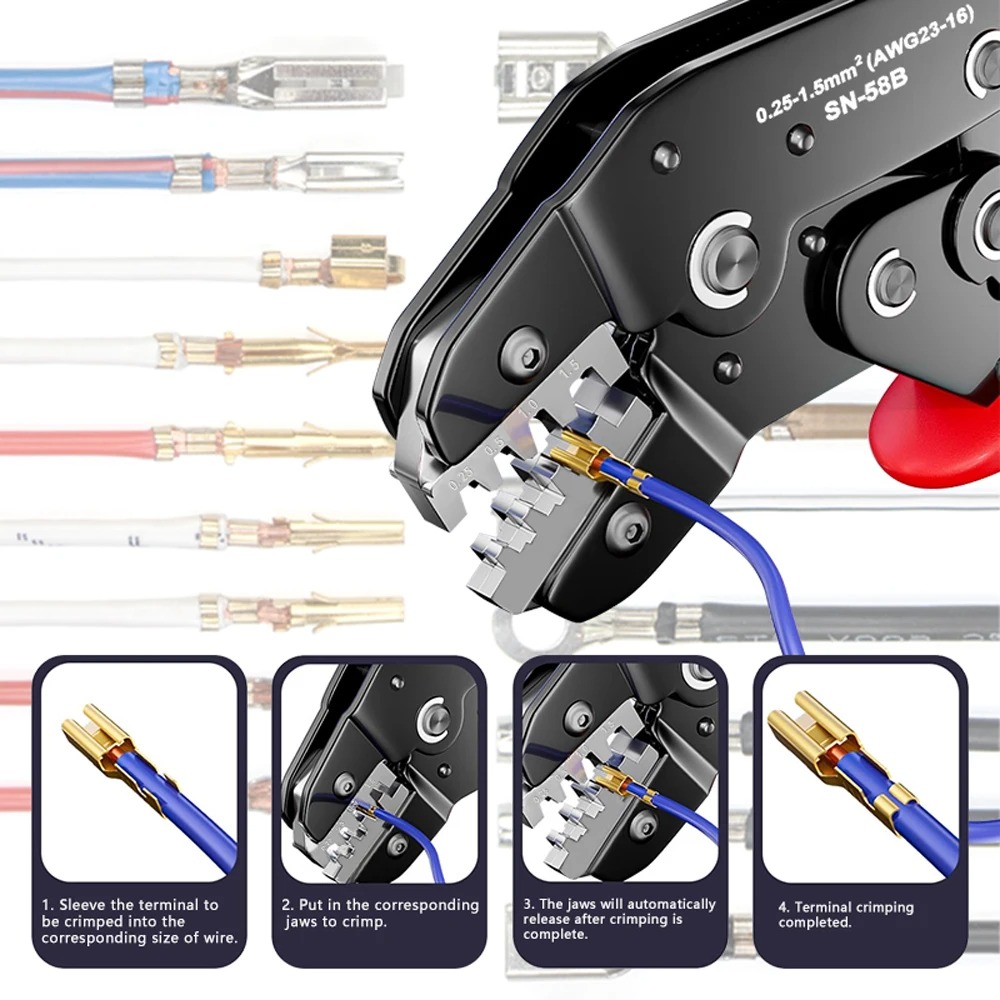
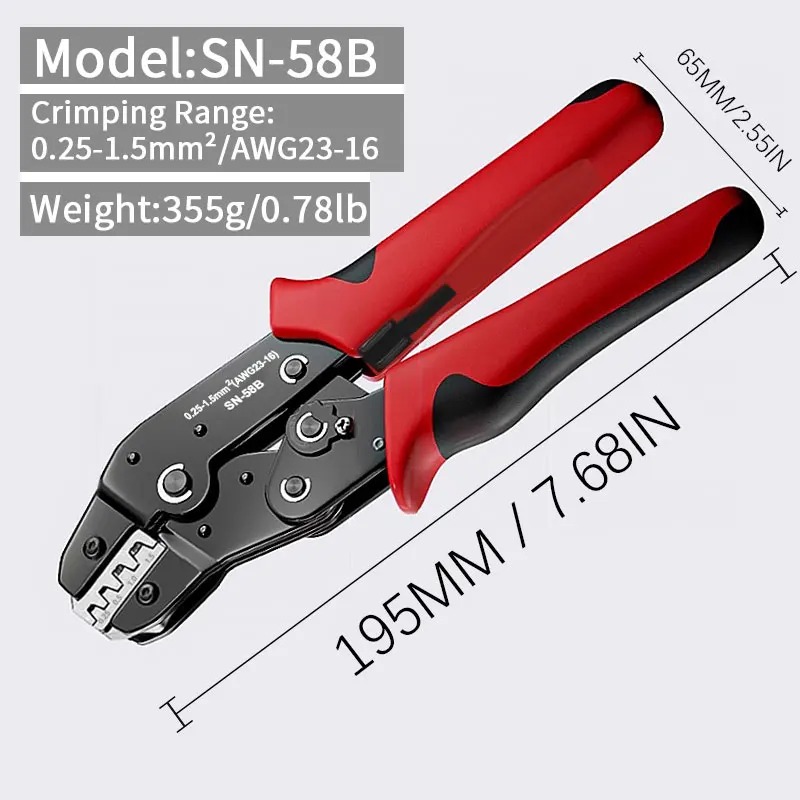
9. Dupont Connector Crimping Kit
Dupont connectors are commonly used in Arduino and microcontroller projects.
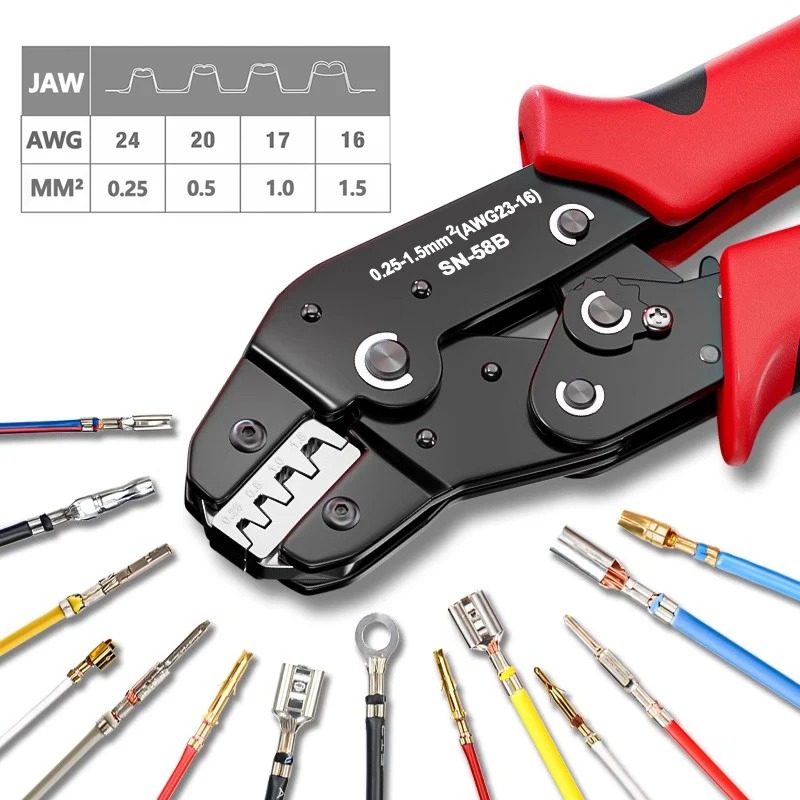

Why it’s useful
- Create custom jumper wires
- Reliable electrical connections
- Useful for modular wiring
These kits usually include connectors and crimp pins.
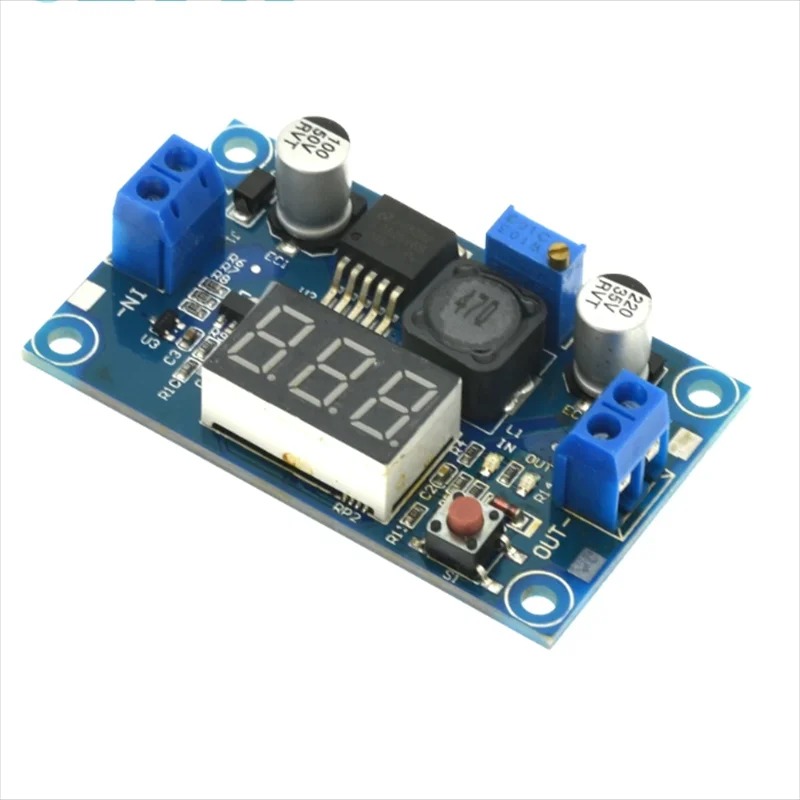
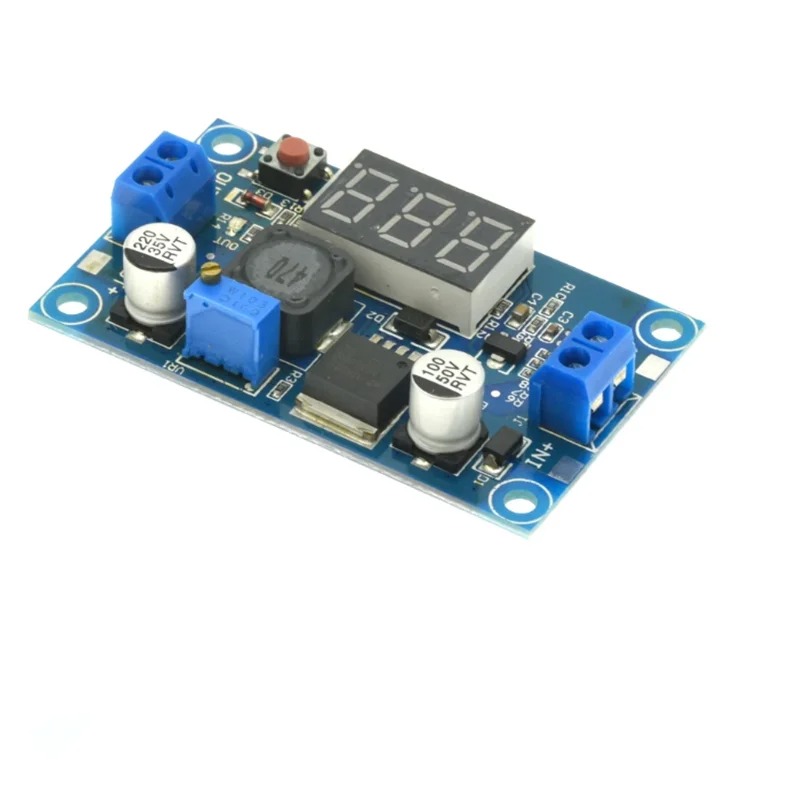
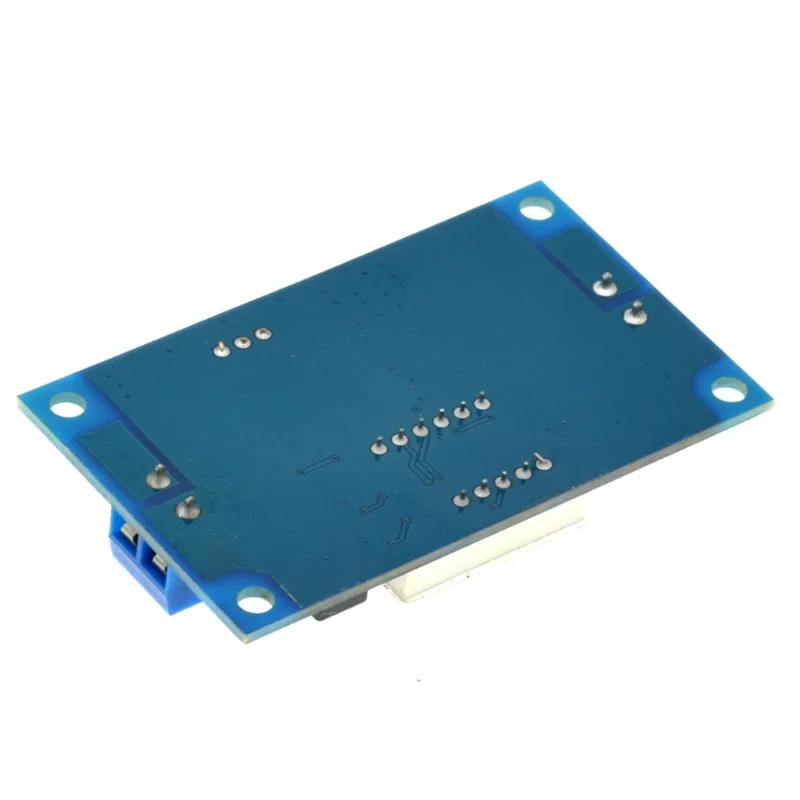
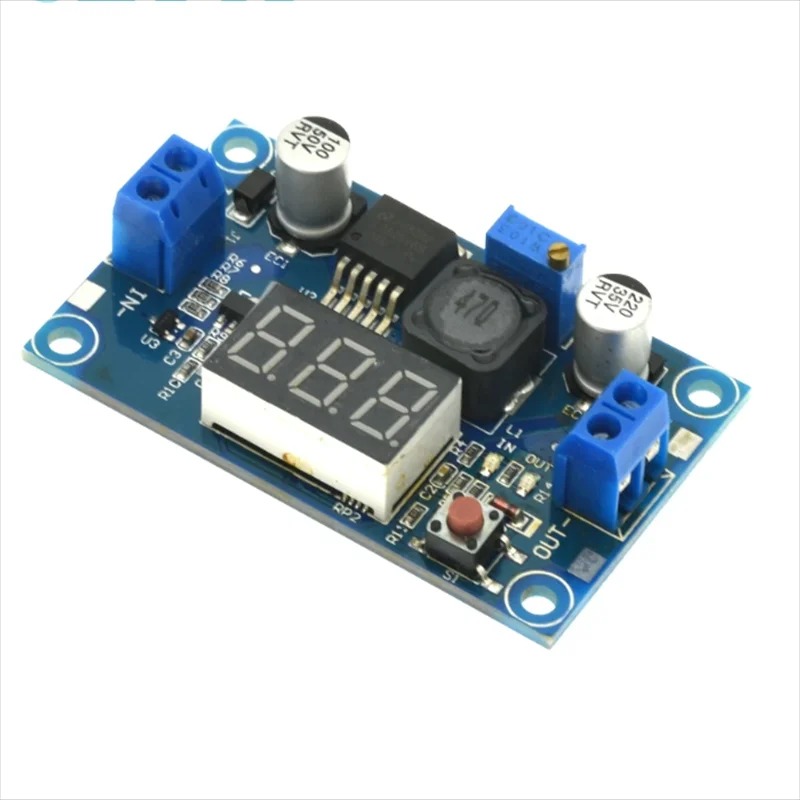
10. Mini Adjustable DC Power Module (Buck Converter)
Buck converters enable efficient voltage reduction.
Why it’s useful
- Convert a higher voltage to a lower voltage
- Useful for battery-powered projects
- Efficient power regulation
These modules are widely used in DIY electronics projects.
Read more:
- Best DIY Electronics Tools Under $20 (Must-Have for Every Hobbyist)
- 10 More Trending DIY Electronics Projects to Build in 2025
- 10 Trending DIY Electronics Projects to Try in 2025
Conclusion
Starting an electronics workshop doesn’t require expensive equipment. Many practical tools and accessories are available for under $20, making it easy for hobbyists to build their own electronics lab.
With the right tools, prototyping circuits, repairing devices, and building DIY projects becomes faster, easier, and more enjoyable. As your experience grows, you can gradually upgrade your tools and expand your electronics workspace.
Liked this article? Subscribe to our newsletter:
or,
Visit LabProjectsBD.com for more inspiring projects and tutorials.
Thank you!



0 Comments