If you are passionate about electronics projects, having the right tools can make a huge difference in productivity and success. Whether you are working on Arduino projects, repairing circuits, or building prototypes, some inexpensive tools can dramatically improve your workflow.
Fortunately, many essential DIY Electronics Tools are available for under $20, making them perfect for beginners, students, and hobbyists.
In this guide, we’ll explore 10 popular and highly useful DIY electronics tools under $20 that every electronics enthusiast should consider adding to their toolbox.
Table of Contents
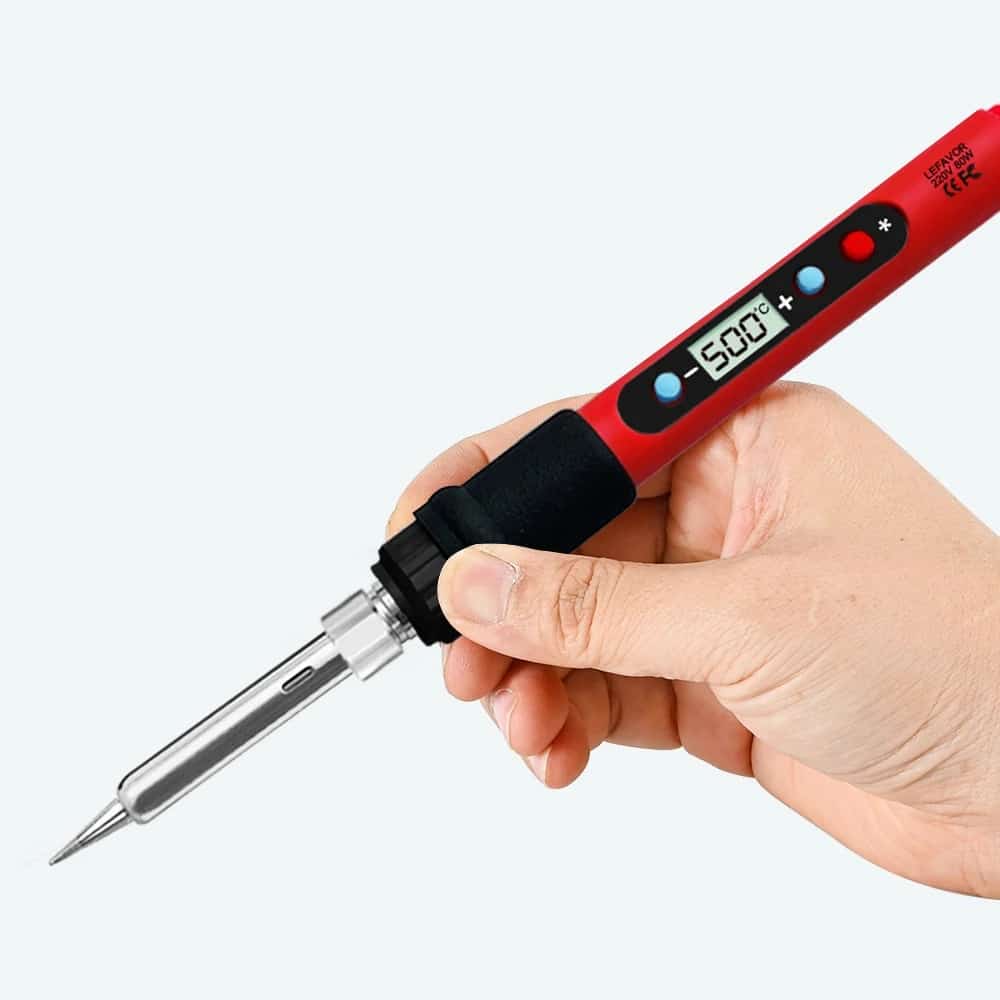
1. Adjustable Temperature Soldering Iron Kit
A soldering iron is the most essential tool in electronics. Most affordable kits include the soldering iron, stand, solder wire, and several interchangeable tips.
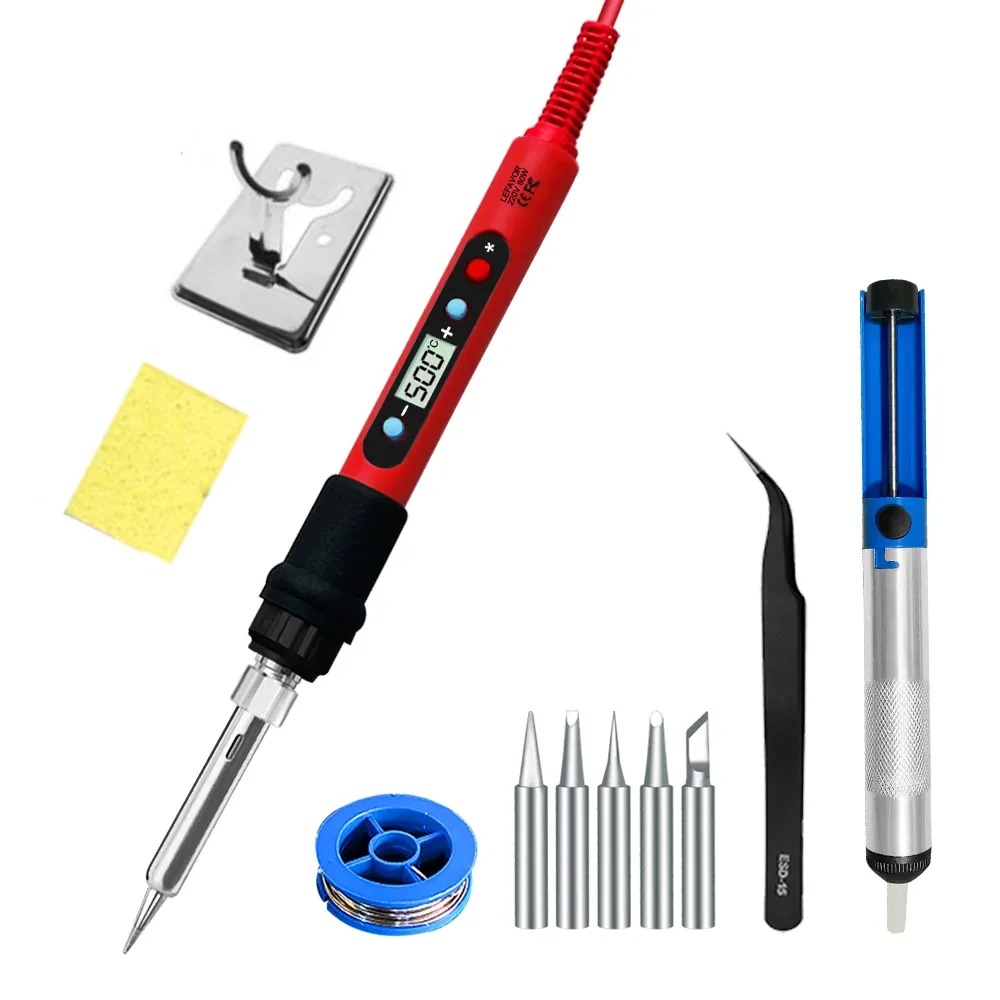
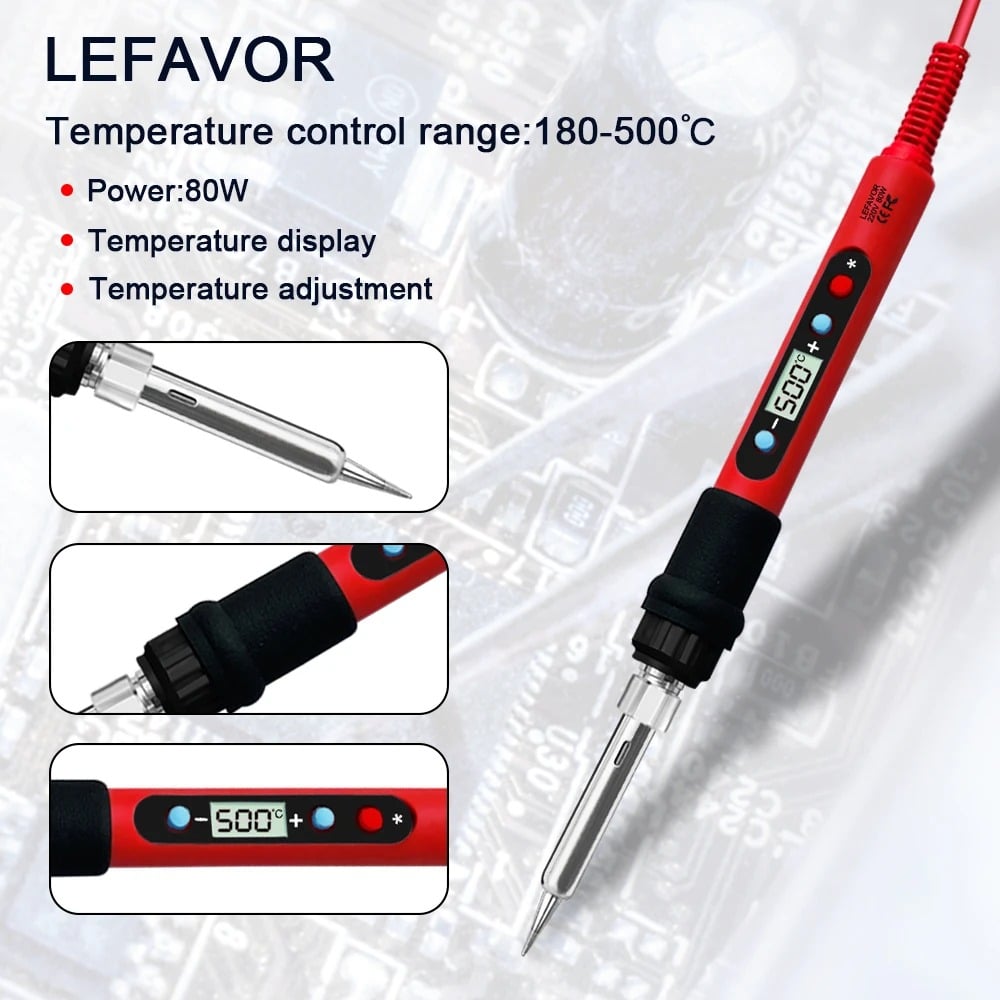

Why it’s useful
- Required for assembling circuit boards
- Ideal for repairing electronics
- Adjustable temperature allows better control
These kits are extremely popular among DIY electronics enthusiasts.
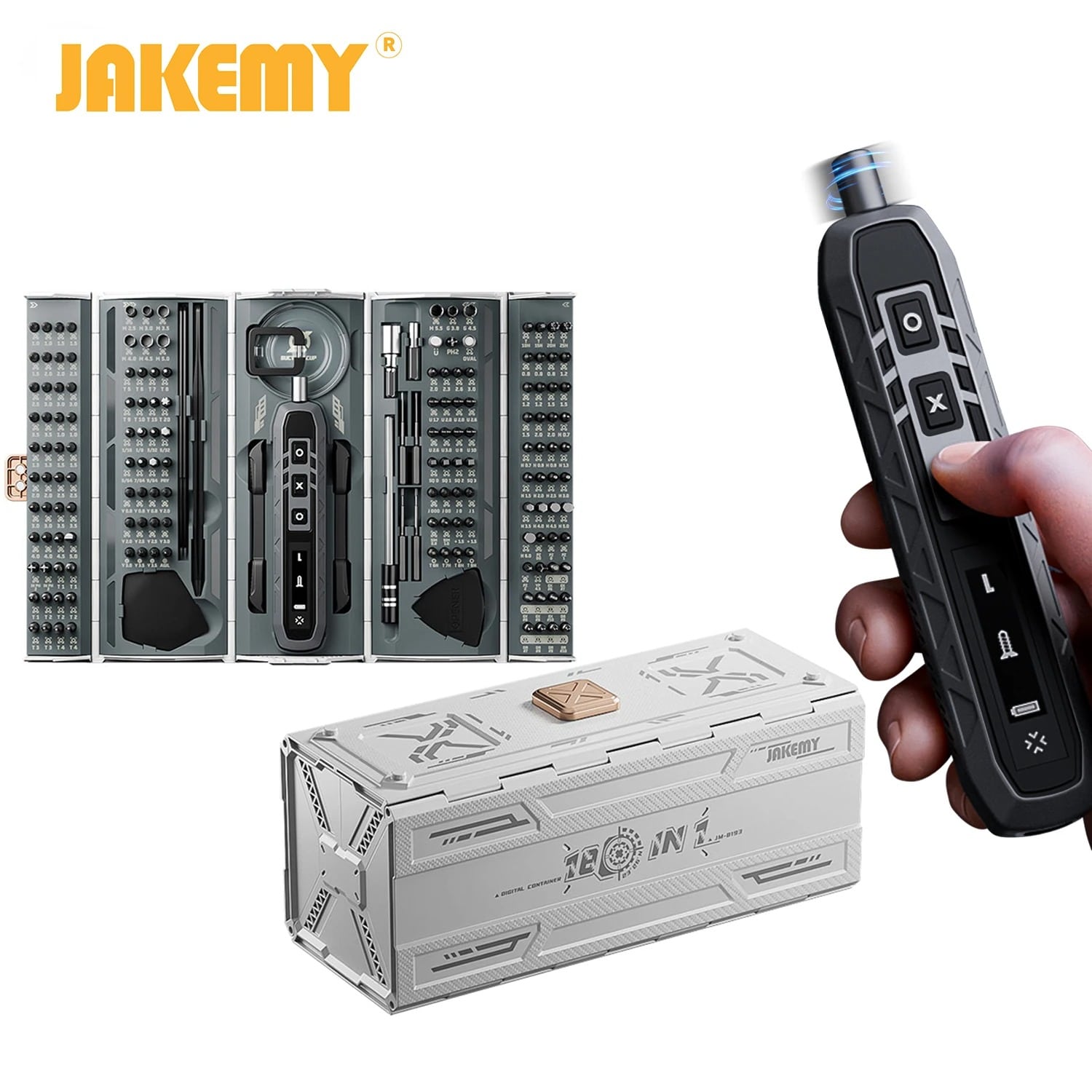
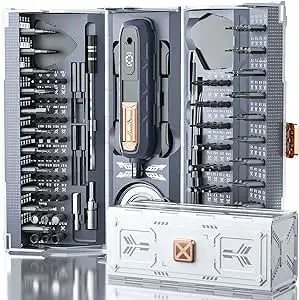
2. Precision Screwdriver Set
Electronic devices often use very small screws, especially in laptops, mobile phones, and development boards.

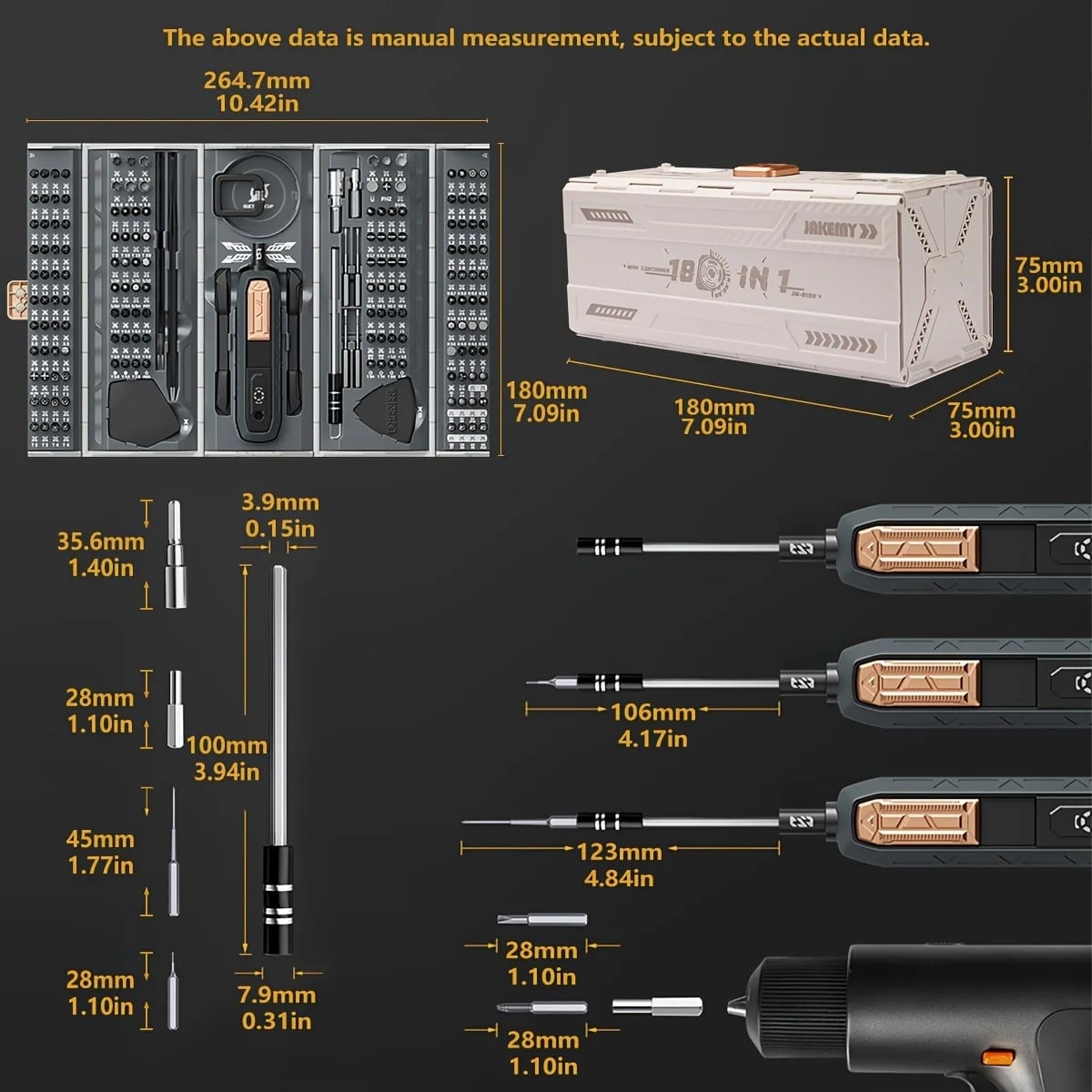
Why it’s useful
- Allows safe opening of electronic devices
- Prevents damage to screws
- Essential for repairs and upgrades
Most kits include Phillips, Torx, Hex, and flat bits.
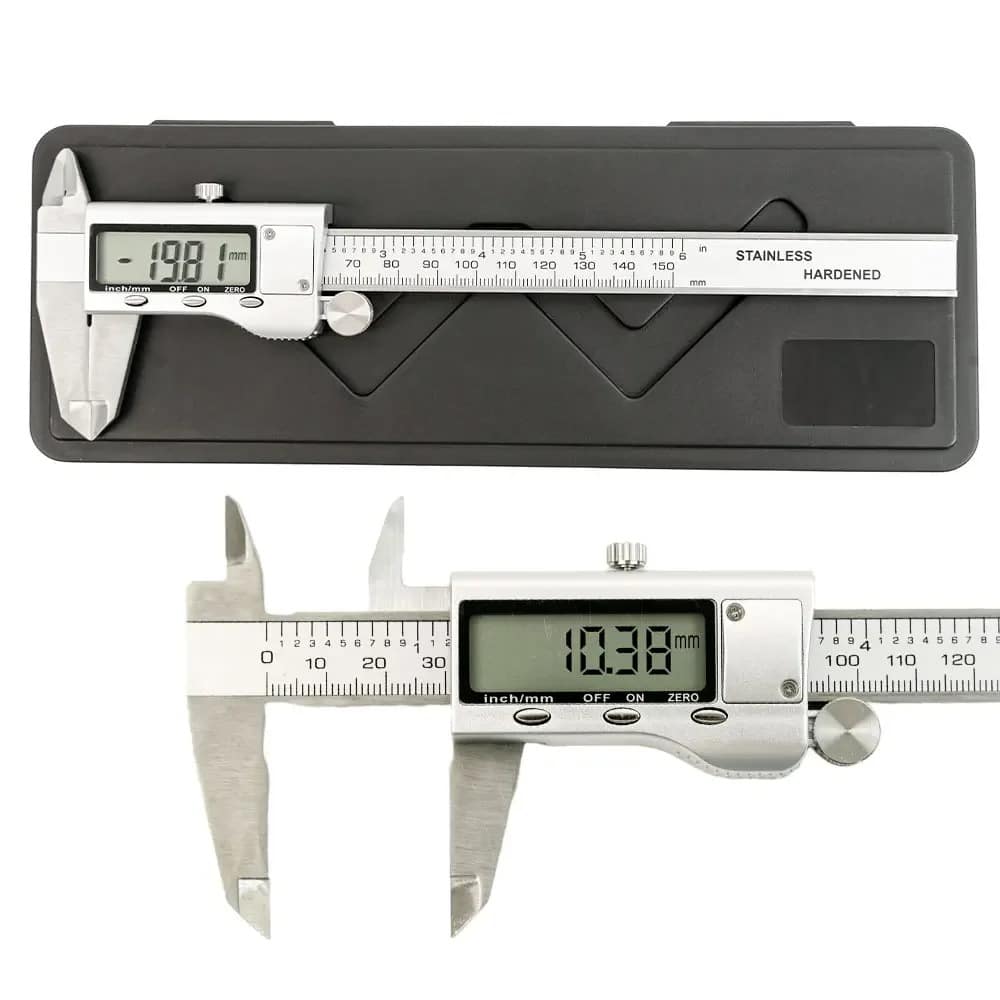
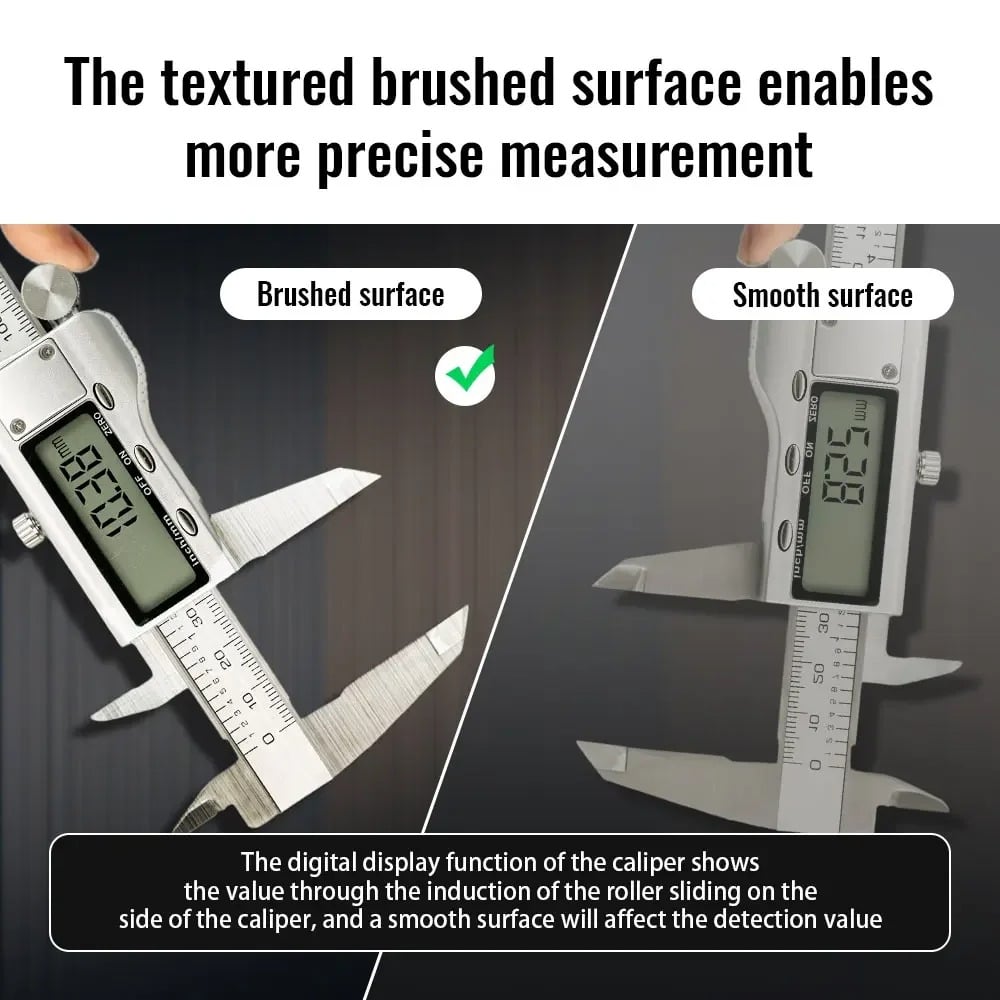
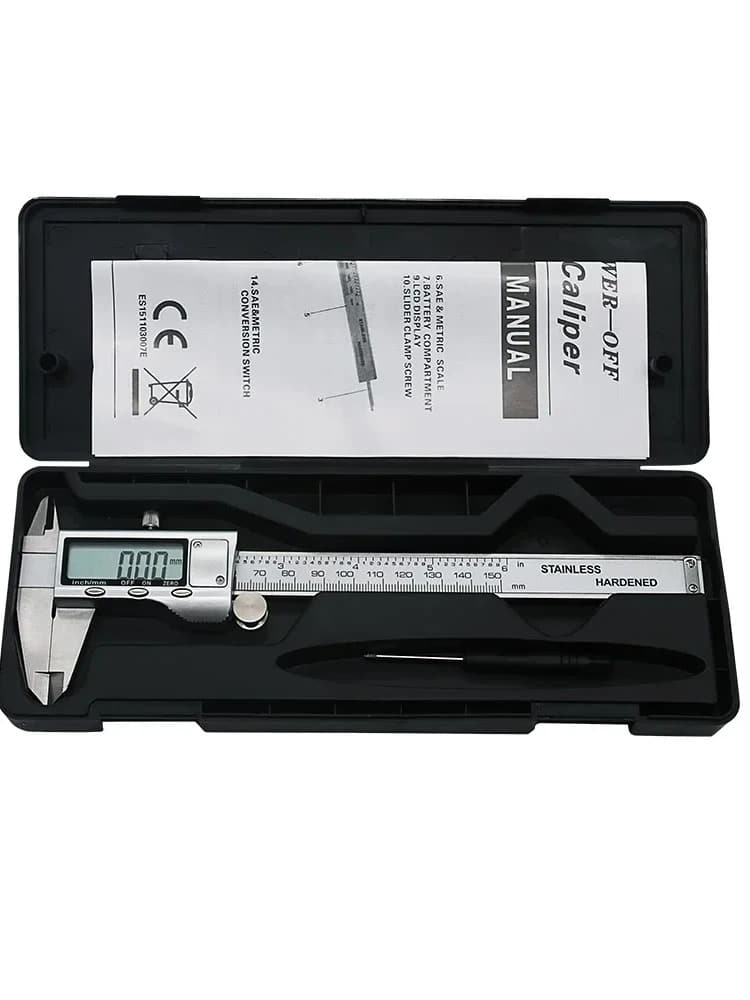
3. Digital Caliper (150mm)
Precision measurement is critical when designing enclosures, PCBs, or mechanical mounts.

Why it’s useful
- Accurate measurement of components
- Helpful in PCB mechanical design
- Useful for 3D printing projects
Digital calipers are widely used in electronics labs.
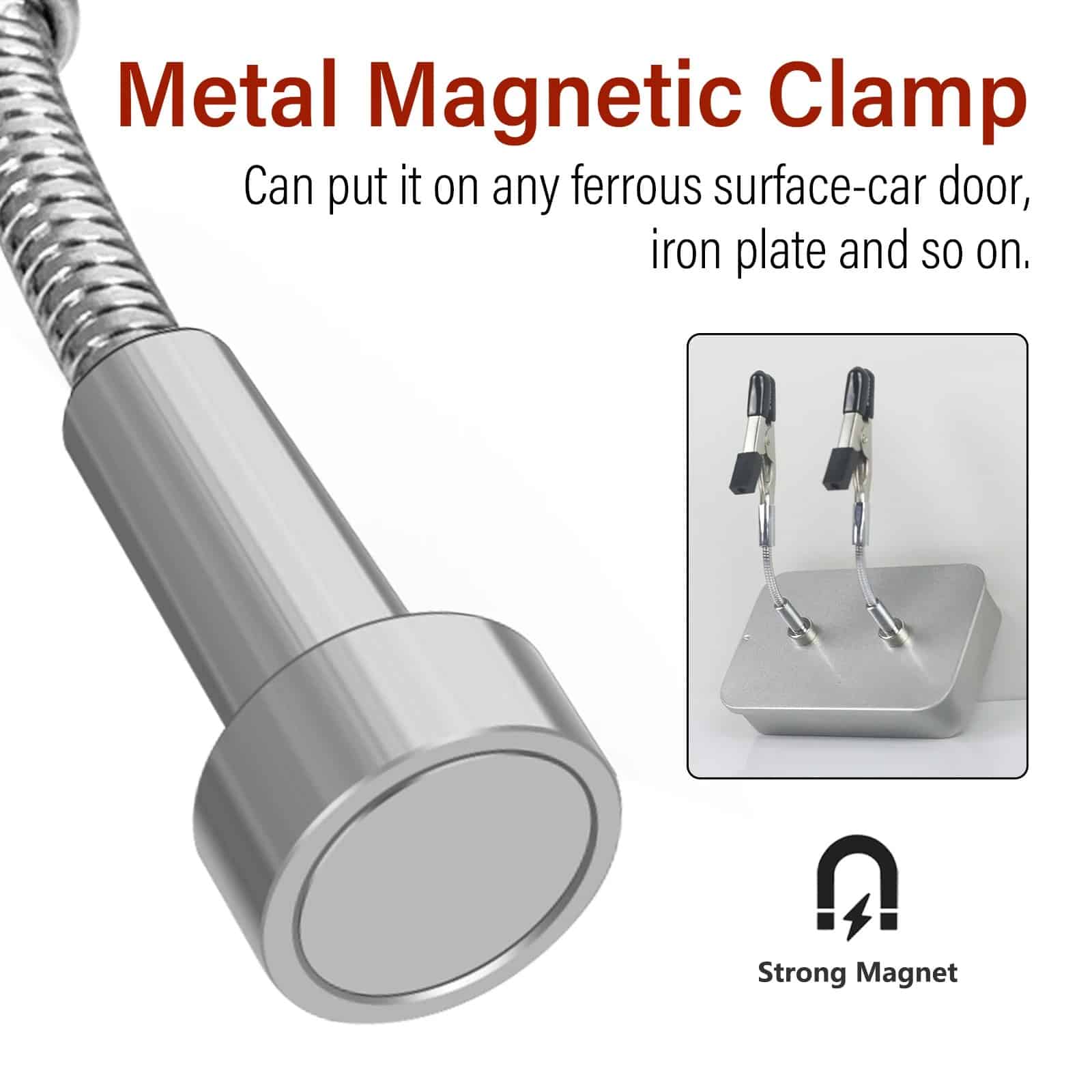
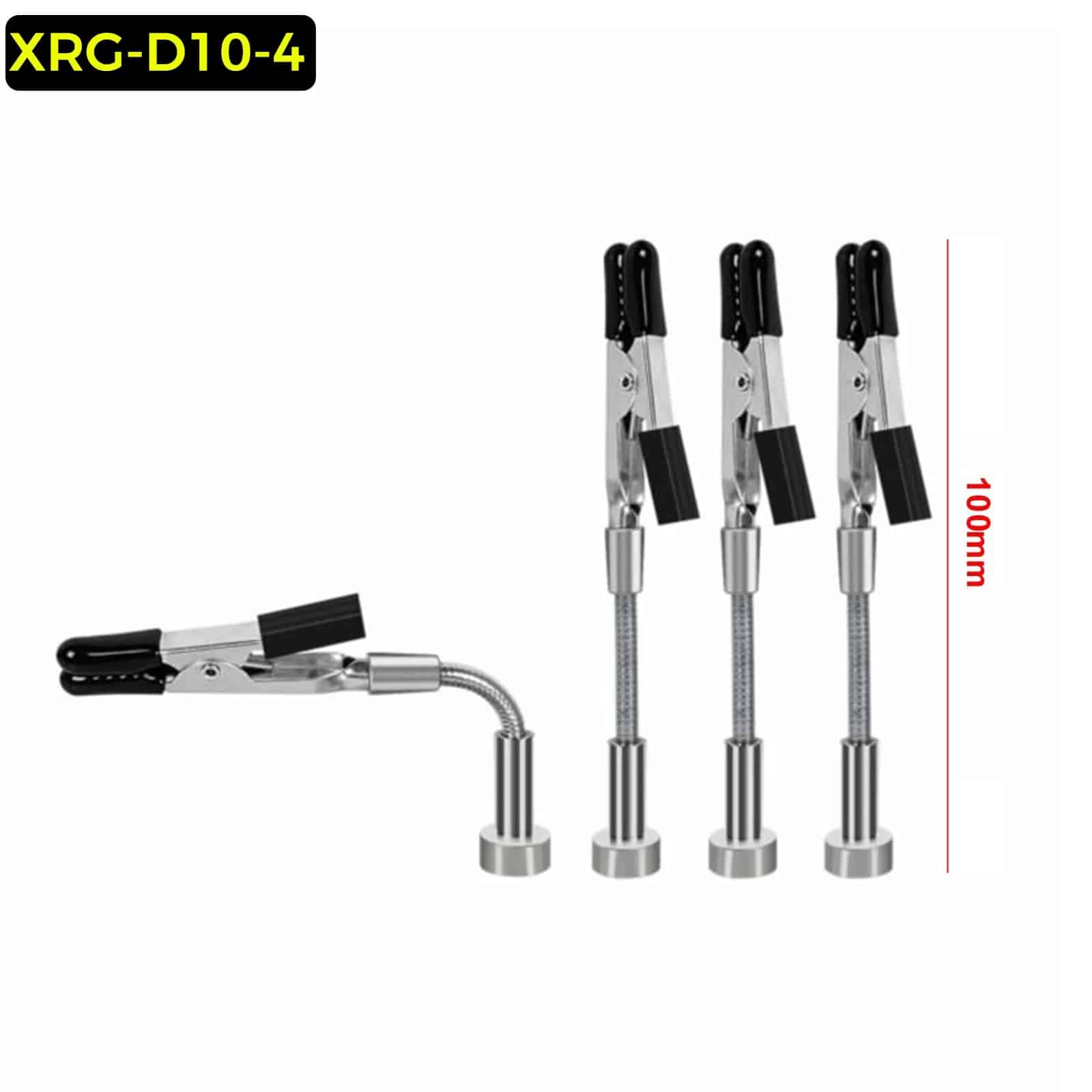
4. Helping Hands Soldering Tool
This tool holds components or PCBs while soldering.

Why it’s useful
- Stabilizes small components
- Prevents movement during soldering
- Often includes a magnifying glass
Perfect for beginners working with small SMD parts.
5. Mini Hot Glue Gun
Hot glue guns are extremely useful for quick mechanical fixing and insulation.


Why it’s useful
- Secure wires and components
- Fix sensors or modules in enclosures
- Cable management in prototypes
A small glue gun is a must-have in any electronics lab.
6. USB Digital Microscope
A USB microscope helps inspect solder joints and small electronic components.


Why it’s useful
- Detect bad solder joints
- Inspect PCB tracks
- Useful for SMD debugging
These microscopes connect directly to a computer via USB.
7. Automatic Wire Stripper
Stripping wires manually can be frustrating and inconsistent.


Why it’s useful
- Removes insulation quickly
- Prevents wire damage
- Speeds up cable preparation
This tool is extremely helpful when working with multiple wires in projects.
8. Magnetic Screw Tray
Small screws are easily lost while repairing electronics.


Why it’s useful
- Keeps screws organized
- Prevents losing tiny components
- Makes repair work easier
A simple but highly practical tool.
9. Rechargeable LED Headlamp
Good lighting is crucial for electronics work.


Why it’s useful
- Hands-free lighting
- Improves soldering precision
- Useful during repair work
Many headlamps come with adjustable brightness levels.
10. Compact Digital Multimeter
A multimeter is essential for testing circuits.


Why it’s useful
- Measure voltage, current, and resistance
- Debug circuit issues
- Verify power supply outputs
Even inexpensive multimeters can be extremely helpful for basic electronics troubleshooting.
Read more:
- Digital and Analog Trainer Kit for Engineering Electronics Laboratories
- How I Built a Smart Home Relay Module for Under $5 (DIY Guide 2025)
- 10 Trending DIY Electronics Projects to Try in 2025
Conclusion
Starting a DIY electronics lab does not require expensive equipment. Many highly useful tools are available for under $20, making electronics experimentation accessible to everyone.
With just a few of these tools, you can start building, repairing, and experimenting with circuits much more efficiently. As your projects become more advanced, you can gradually expand your toolbox.
Liked this article? Subscribe to our newsletter:
or,
Visit LabProjectsBD.com for more inspiring projects and tutorials.
Thank you!




0 Comments