When working with modern electronics, especially SMD components, PCB traces, and fine solder joints, a microscope becomes an extremely valuable tool. Many electronics hobbyists start without one, but once they begin working with smaller components like 0402 resistors or QFN packages, a microscope can significantly improve accuracy and reduce eye strain.
Fortunately, you do not need an expensive laboratory microscope to inspect circuit boards. Many affordable microscopes are available that work perfectly for electronics repair, soldering inspection, and PCB debugging.
In this guide, we will explore popular microscopes suitable for electronics work, ranging from very low-budget USB microscopes to mid-range stereo microscopes used by many professional repair technicians.
Table of Contents
1. Pocket Digital Multimeter (Entry Level) ⭐⭐⭐⭐⭐
Best Budget Multimeter for DIY Electronics, Students & Everyday Quick Testing
If you’re starting electronics, one of the first tools you should own is a Pocket Digital Multimeter. These compact meters are affordable, simple to use, and highly practical for everyday troubleshooting.
Despite their small size, entry-level pocket multimeters can handle the most common tasks beginners need—checking voltage, resistance, continuity, batteries, adapters, wires, switches, and basic circuits.
For students and hobbyists, this is often the best low-cost first measuring tool.
💰 Typical Price Range
$6 – $20 depending on brand, display quality, auto-ranging features, probes, and build quality.
📦 Usually Includes
✅ Pocket digital multimeter unit
✅ Test probes
✅ Battery (varies)
✅ User manual
✅ Protective rubber sleeve (some models)
⭐ Why We Selected This Kit
⭐ 5/5 Budget Value – One of the cheapest essential electronics tools
⭐ 5/5 Beginner Friendly – Easy to learn and use
⭐ 5/5 Portability – Fits in drawer, toolbox, or bag
⭐ 4/5 Practical Utility – Useful for many daily checks
⭐ 4/5 Must-Have Tool Value – Great first purchase for beginners
🚀 Why It’s Useful
✅ Measures voltage, resistance, and continuity
✅ Lightweight and portable
✅ Perfect for quick testing tasks
✅ Very affordable entry-level tool
✅ Great for batteries, chargers, wires, and circuits
✅ Ideal for students learning electronics basics
⚠️ Keep in Mind
Entry-level meters are excellent for basics, but not ideal for:
- High-accuracy laboratory measurements
- Advanced current ranges
- Industrial safety environments
- Heavy daily professional use
Buy within expectations.
🔧 My Verdict
If you own no multimeter yet, a Pocket Digital Multimeter is one of the smartest first tools to buy. Low cost, highly useful, and enough for many beginner electronics tasks.
Perfect for students, home users, makers, and DIY electronics learners.
2. Handheld LCD Digital Microscope ⭐⭐⭐⭐⭐
Best for Quick PCB Inspection, Portable Repair Work & Standalone Use
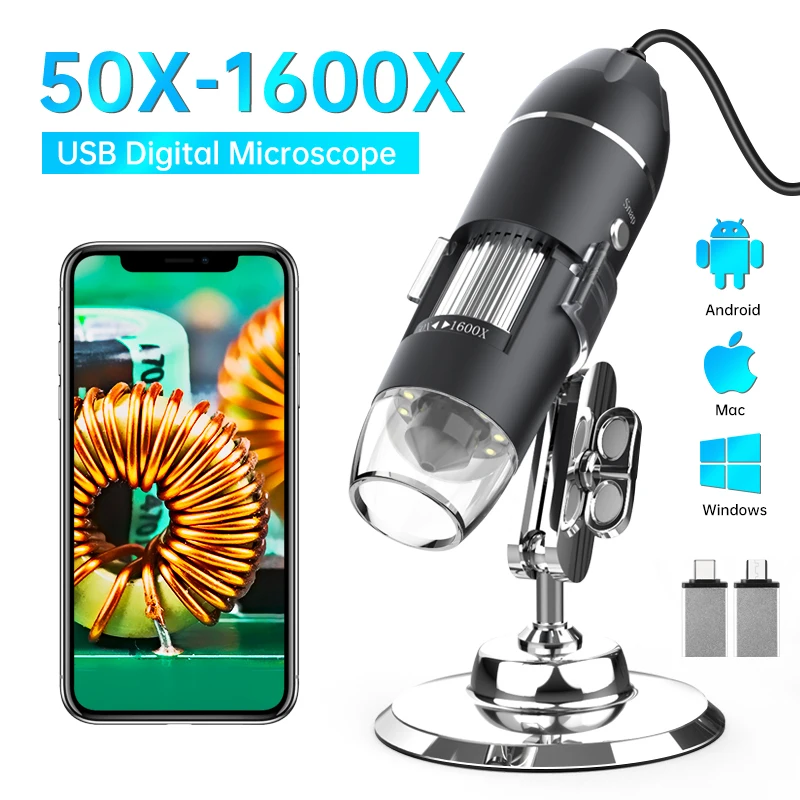
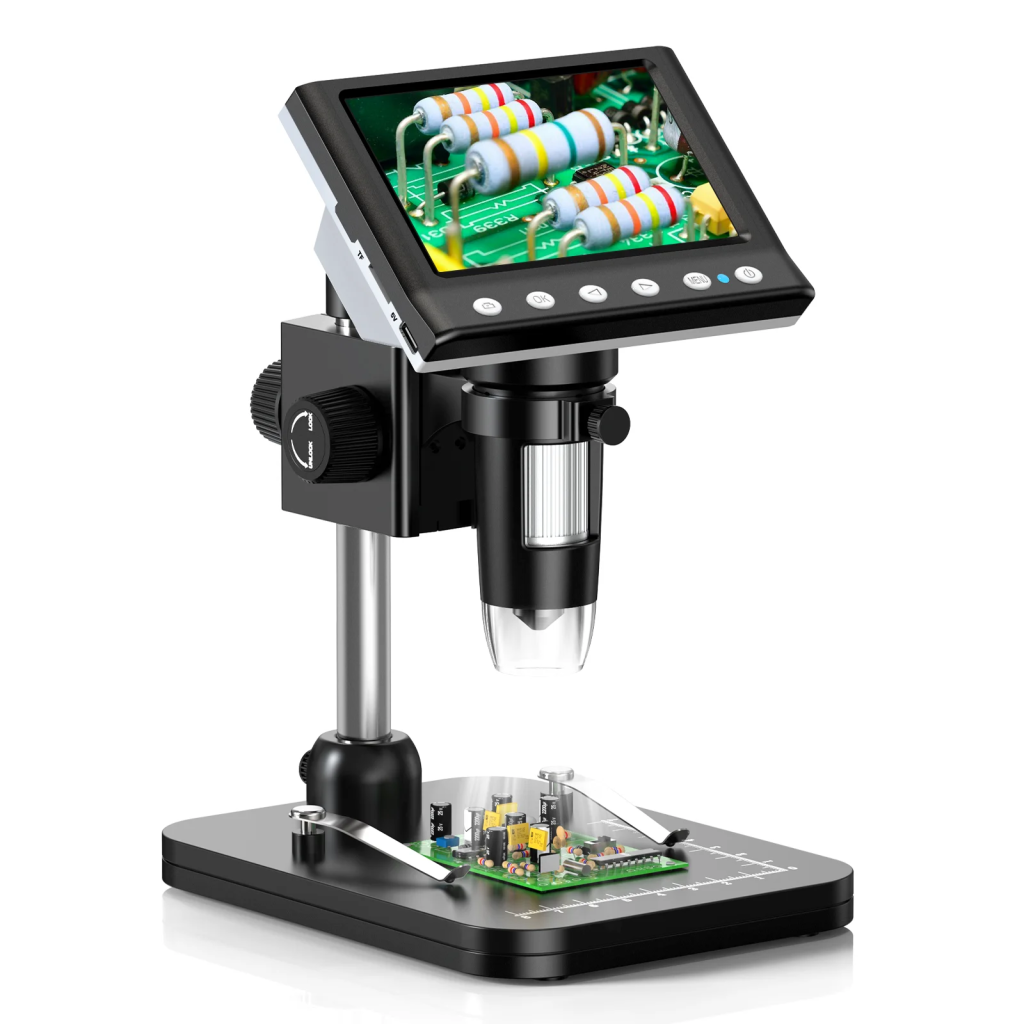
If you want a microscope that works instantly without needing a laptop or external monitor, the Handheld LCD Digital Microscope is one of the most practical choices.
Unlike USB microscopes that depend on a computer, this type includes a built-in LCD screen, allowing you to inspect solder joints, PCB traces, connectors, and tiny components anywhere.
That makes it especially useful for electronics technicians, field repair work, and hobbyists who want a fast plug-and-use tool.
💰 Typical Price Range
$25 – $90 depending on screen size, magnification range, image quality, battery capacity, and stand included.
📦 Usually Includes
✅ Handheld digital microscope unit
✅ Built-in LCD display
✅ Integrated LED lighting
✅ Rechargeable battery or USB power
✅ Charging cable
✅ Basic stand or holder (many models)
✅ User manual
⭐ Why We Selected This Kit
⭐ 5/5 Convenience – No PC required, ready instantly
⭐ 5/5 Portability – Great for bench, toolbox, or travel
⭐ 4/5 PCB Utility – Excellent for solder joint checks
⭐ 4/5 Lighting Value – Built-in LEDs improve visibility
⭐ 4/5 Technician Friendly – Great for quick service jobs
🚀 Why It’s Useful
✅ Portable and easy to use
✅ Built-in screen for quick inspection
✅ Ideal for field repair work
✅ Good lighting with integrated LEDs
✅ Great for PCB soldering inspection
✅ Useful for connectors, wires, and tiny parts
⚠️ Keep in Mind
Lower-cost models may have limitations in:
- Screen resolution
- True optical quality
- Focus smoothness
- Stand stability
- Battery life
Buy based on the actual use case.
🔧 My Verdict
If you need a microscope that is fast, portable, and independent of a computer, the Handheld LCD Digital Microscope is a smart buy.
Excellent for technicians, electronics hobbyists, mobile repair users, and quick PCB inspection tasks.
3. HDMI Digital Microscope (Professional Digital Option) ⭐⭐⭐⭐⭐
Best for Soldering, Real-Time PCB Repair & Professional Electronics Work
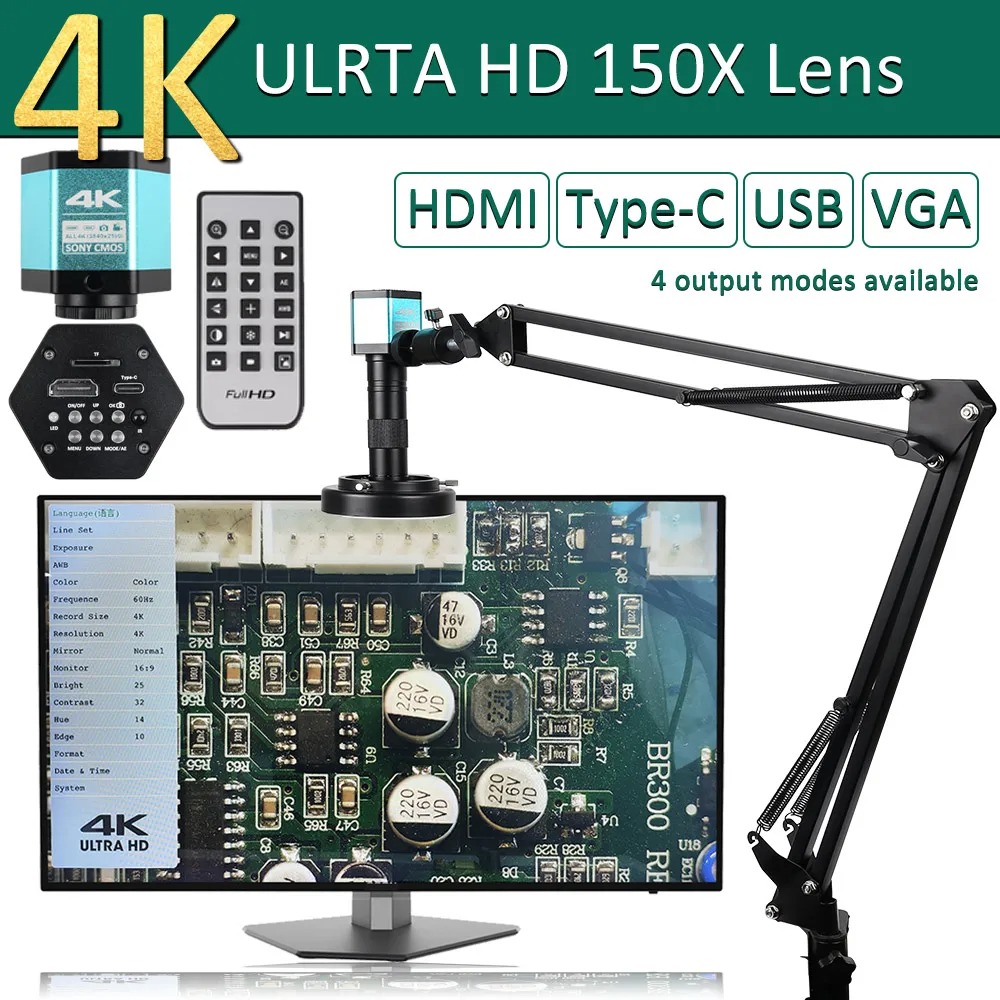
If you need a microscope for serious electronics repair, the HDMI Digital Microscope is one of the best upgrades you can make.
Unlike USB microscopes that often suffer from lag or limited image quality, HDMI models connect directly to a monitor or TV, delivering smoother, real-time video, sharper images, and a much better working experience.
That low-latency viewing is especially important for soldering fine-pitch ICs, microsoldering, jumper wire repair, and precision PCB inspection.
This is why HDMI microscopes have become extremely popular among phone repair shops and electronics technicians.
💰 Typical Price Range
$90 – $350 depending on sensor quality, lens package, stand quality, zoom range, and included monitor accessories.
📦 Usually Includes
✅ HDMI camera microscope unit
✅ Adjustable zoom lens
✅ Heavy-duty stand or boom arm
✅ HDMI cable
✅ LED ring light or built-in lighting
✅ Power adapter
✅ Remote control/menu controls (many models)
⭐ Why We Selected This Kit
⭐ 5/5 Real-Time Performance – Minimal lag while working
⭐ 5/5 Repair Utility – Excellent for soldering and rework
⭐ 5/5 Visibility – Large screen improves precision
⭐ 4/5 Professional Feel – Strong upgrade over USB microscopes
⭐ 5/5 Technician Favorite – Popular in repair labs worldwide
🚀 Why It’s Useful
✅ Real-time viewing with minimal lag
✅ Large screen improves visibility
✅ Excellent for soldering work
✅ Often used in electronics repair labs
✅ Great for phone board and PCB microsoldering
✅ Better posture than leaning into optical eyepieces
⚠️ Keep in Mind
Quality depends heavily on the stand and lens, not just the camera.
Check for:
- Working distance under the lens
- Stable metal stand
- Good LED lighting
- True HDMI output resolution
- Smooth zoom/focus controls
Cheap stands can ruin a good camera.
🔧 My Verdict
If you regularly solder small components or inspect fine PCB details, an HDMI Digital Microscope is one of the most productivity-boosting tools you can own.
Excellent for phone repair, electronics labs, rework stations, and serious hobbyists.
4. Stereo Microscope (Traditional Electronics Microscope) ⭐⭐⭐⭐⭐
Best for Precision Soldering, True Depth Vision & Professional Bench Work
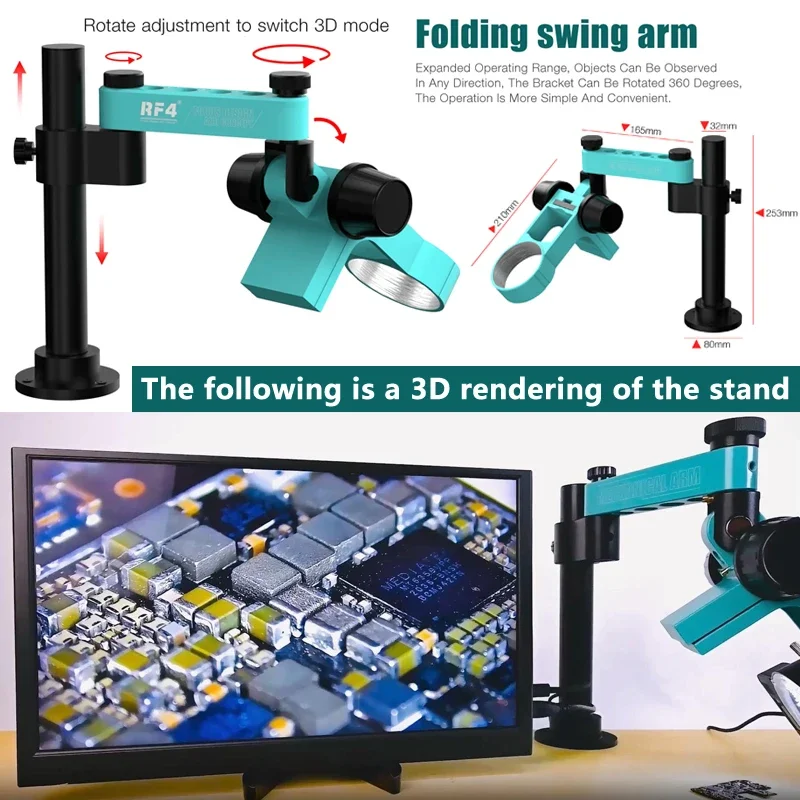
If your main goal is hands-on soldering and rework, the Stereo Microscope is widely considered the gold standard for electronics work.
Unlike digital microscopes that show an image on a screen, stereo microscopes use true optical magnification through dual eyepieces. This gives natural depth perception, instant real-time viewing, and a more precise feel when using tweezers, soldering irons, or hot air tools.
That’s why many engineers, rework technicians, and repair professionals still prefer them for delicate PCB work.
Common professional ranges are 7x–45x zoom stereo microscopes.
💰 Typical Price Range
$120 – $650+, depending on optics quality, zoom range, stand type, ring light, and brand.
📦 Usually Includes
✅ Stereo microscope head
✅ Dual eyepieces
✅ Zoom objective system
✅ Stable base or boom stand
✅ Focus adjustment mechanism
✅ LED ring light (many models)
✅ Dust cover/accessories (varies)
⭐ Why We Selected This Kit
⭐ 5/5 Soldering Performance – Excellent tool control while working
⭐ 5/5 Depth Perception – True 3D visual feel for components
⭐ 5/5 Zero Lag – No screen delay at all
⭐ 5/5 Professional Standard – Trusted in repair labs worldwide
⭐ 4/5 Long-Term Value – Great investment for serious bench work
🚀 Why It’s Useful
✅ True optical magnification
✅ No screen delay
✅ Excellent depth perception
✅ Ideal for soldering SMD components
✅ Great for rework, inspection, jumper wires, and micro repair
✅ Reduces frustration during precision work
⚠️ Keep in Mind
Before buying, check:
- Working distance under the lens
- Stand stability
- Zoom smoothness
- Eyepiece comfort
- Ring light quality
- Bench space needed
Cheap optics can cause eye strain.
🔧 My Verdict
If you regularly solder tiny components, repair boards, or do serious bench electronics, a Stereo Microscope is often the best tool you can buy after a soldering station.
For precision work, many professionals still choose stereo optics over digital screens.
5. Professional Stereo Microscope with Ring Light ⭐⭐⭐⭐⭐
Best for PCB Visibility, Precision Inspection & Serious Electronics Rework
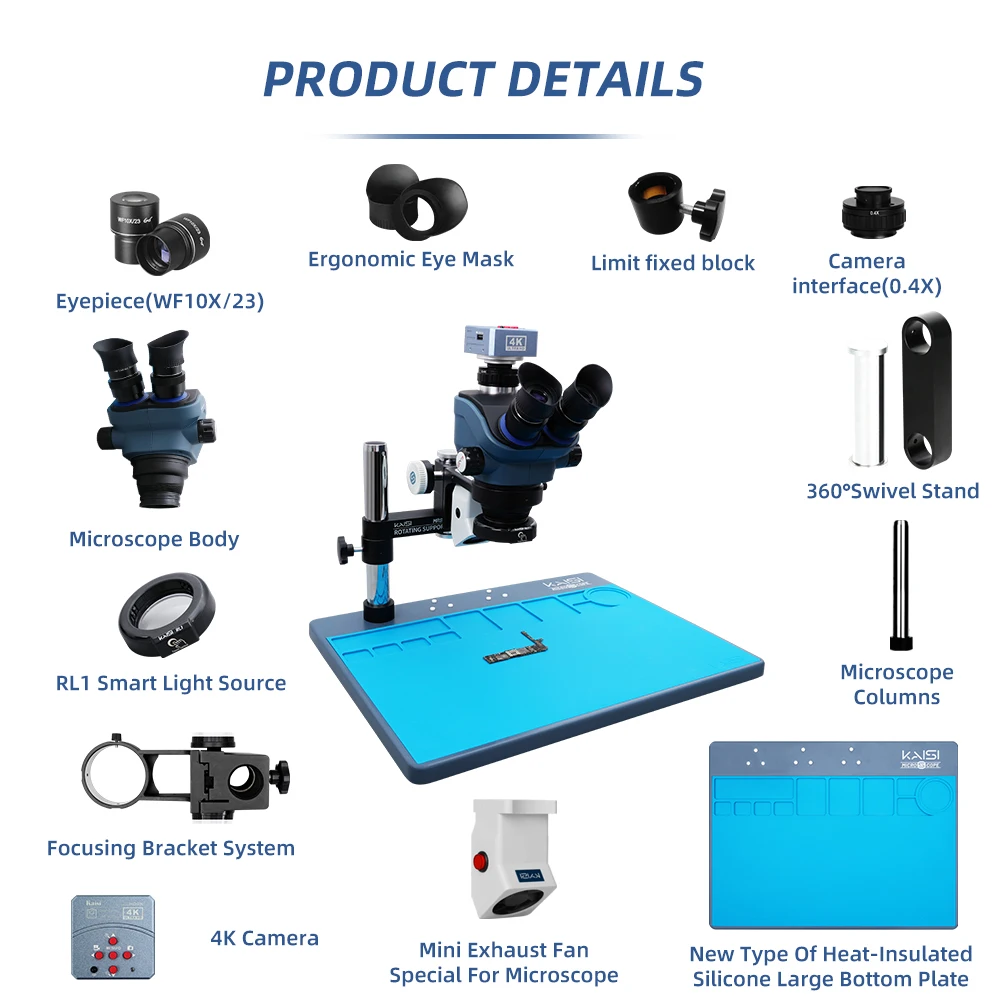
If you already understand the value of a stereo microscope, the next major upgrade is a Professional Stereo Microscope with Ring Light.
In electronics work, lighting is just as important as magnification. A bright ring light mounted around the lens provides even illumination across the PCB surface, reducing shadows and making tiny solder joints far easier to inspect.
That combination of true optical magnification + proper lighting is why this setup is common in electronics manufacturing, repair workshops, and advanced rework stations.
💰 Typical Price Range
$160 – $750+, depending on optics quality, zoom range, stand type, ring light quality, and brand.
📦 Usually Includes
✅ Stereo microscope head
✅ Dual eyepieces
✅ 7x–45x zoom optics (common range)
✅ Stable stand or boom arm
✅ LED ring light with brightness control
✅ Focus adjustment system
✅ Dust cover/accessories
⭐ Why We Selected This Kit
⭐ 5/5 Visibility Upgrade – Lighting dramatically improves board clarity
⭐ 5/5 Soldering Utility – Easier precision hand movement
⭐ 5/5 Inspection Accuracy – Better spotting bridges and cracks
⭐ 5/5 Professional Setup – Common in real repair environments
⭐ 4/5 Long-Term Investment – Excellent for serious users
🚀 Why It’s Useful
✅ Even lighting on the PCB surface
✅ Reduces shadows during soldering
✅ Improves inspection accuracy
✅ Helps identify small solder bridges
✅ Great for BGA prep, jumper wires, and fine rework
✅ More comfortable long working sessions
⚠️ Keep in Mind
Before buying, check:
- Light brightness adjustability
- Flicker-free LED performance
- Working distance under the lens
- Stand stability
- Optics clarity
- Spare bulb/LED availability
Good lighting can matter more than extra magnification.
🔧 My Verdict
If you do regular board repair or precision soldering, a Professional Stereo Microscope with Ring Light is one of the smartest bench upgrades available.
It improves speed, reduces mistakes, and makes tiny PCB work significantly easier.
How to Choose the Right Microscope
When selecting a microscope for electronics work, consider the following factors:
Magnification
For most electronics tasks, 10x–45x magnification is sufficient.
Working Distance
You need enough space under the microscope to hold a soldering iron and tweezers.
Lighting
Good lighting is critical for seeing small PCB details and solder joints.
Screen vs Optical
- Digital microscopes are easier to use to record and capture images.
- Stereo microscopes provide better depth perception for soldering.
Which Microscope is Best for Beginners?
For beginners and hobbyists:
- USB digital microscope → cheapest option
- LCD digital microscope → portable and convenient
- HDMI microscope → best digital experience
For serious electronics work:
- Stereo Microscope for Professional → best professional choice.
Read more:
- Best DIY Electronics Tools Under $20 (Must-Have for Every Hobbyist)
- Embracing Sustainability: A Comprehensive Guide to Eco-Friendly Living in 2025
- Top Laboratory Trends for 2025: A Deep Dive into the Future of Scientific Research
Conclusion
A microscope can dramatically improve your electronics workflow, especially when working with small SMD components and high-density PCBs. Fortunately, many affordable microscopes are available today, making them accessible even for hobbyists and small electronics labs.
Starting with a low-cost microscope can greatly enhance your ability to inspect solder joints, debug circuits, and perform precision electronics work. As your projects grow more advanced, upgrading to a stereo microscope can provide even better results.
Liked this article? Subscribe to our newsletter:
or,
Visit LabProjectsBD.com for more inspiring projects and tutorials.
Thank you!



0 Comments