A multimeter is one of the most essential tools for anyone working with electronics. Whether you are building circuits, debugging Arduino projects, repairing devices, or testing power supplies, a reliable multimeter helps you quickly diagnose problems and verify circuit behavior.
Fortunately, you don’t need an expensive laboratory-grade instrument to perform most electronics tasks. Many affordable digital multimeters provide excellent functionality for hobbyists, students, and technicians.
In this guide, we will explore some of the best budget multimeter types for DIY electronics, ranging from basic pocket multimeters to more advanced models with additional measurement features.
Table of Contents
1. Pocket Digital Multimeter (Entry Level) ⭐⭐⭐⭐⭐
Best Budget Multimeter for DIY Electronics, Students & Everyday Quick Testing
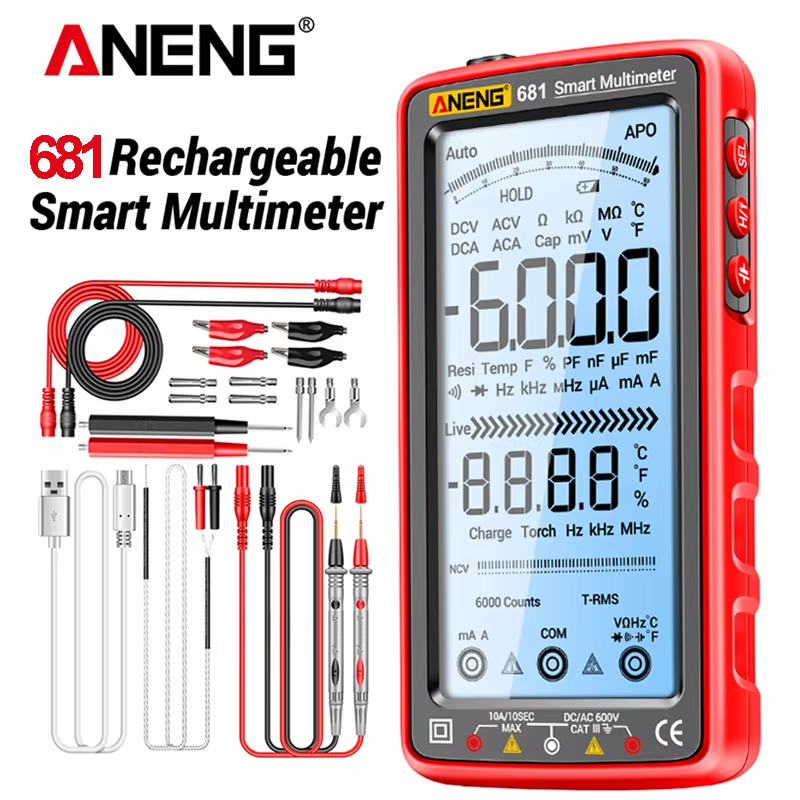
If you’re starting electronics, one of the first tools you should own is a Pocket Digital Multimeter. These compact meters are affordable, simple to use, and highly practical for everyday troubleshooting.
Despite their small size, entry-level pocket multimeters can handle the most common tasks beginners need—checking voltage, resistance, continuity, batteries, adapters, wires, switches, and basic circuits.
For students and hobbyists, this is often the best low-cost first measuring tool.
💰 Typical Price Range
$6 – $60 depending on brand, display quality, auto-ranging features, probes, and build quality.
📦 Usually Includes
✅ Pocket digital multimeter unit
✅ Test probes
✅ Battery (varies)
✅ User manual
✅ Protective rubber sleeve (some models)
⭐ Why We Selected This Kit
⭐ 5/5 Budget Value – One of the cheapest essential electronics tools
⭐ 5/5 Beginner Friendly – Easy to learn and use
⭐ 5/5 Portability – Fits in drawer, toolbox, or bag
⭐ 4/5 Practical Utility – Useful for many daily checks
⭐ 4/5 Must-Have Tool Value – Great first purchase for beginners
🚀 Why It’s Useful
✅ Measures voltage, resistance, and continuity
✅ Lightweight and portable
✅ Perfect for quick testing tasks
✅ Very affordable entry-level tool
✅ Great for batteries, chargers, wires, and circuits
✅ Ideal for students learning electronics basics
⚠️ Keep in Mind
Entry-level meters are excellent for basics, but not ideal for:
- High-accuracy laboratory measurements
- Advanced current ranges
- Industrial safety environments
- Heavy daily professional use
Buy within expectations.
🔧 My Verdict
If you own no multimeter yet, a Pocket Digital Multimeter is one of the smartest first tools to buy. Low cost, highly useful, and enough for many beginner electronics tasks.
Perfect for students, home users, makers, and DIY electronics learners.
2. Standard Digital Multimeter (Most Popular Choice) ⭐⭐⭐⭐⭐
Best All-Round Multimeter for Electronics Labs, Repair Work & Serious DIY Users
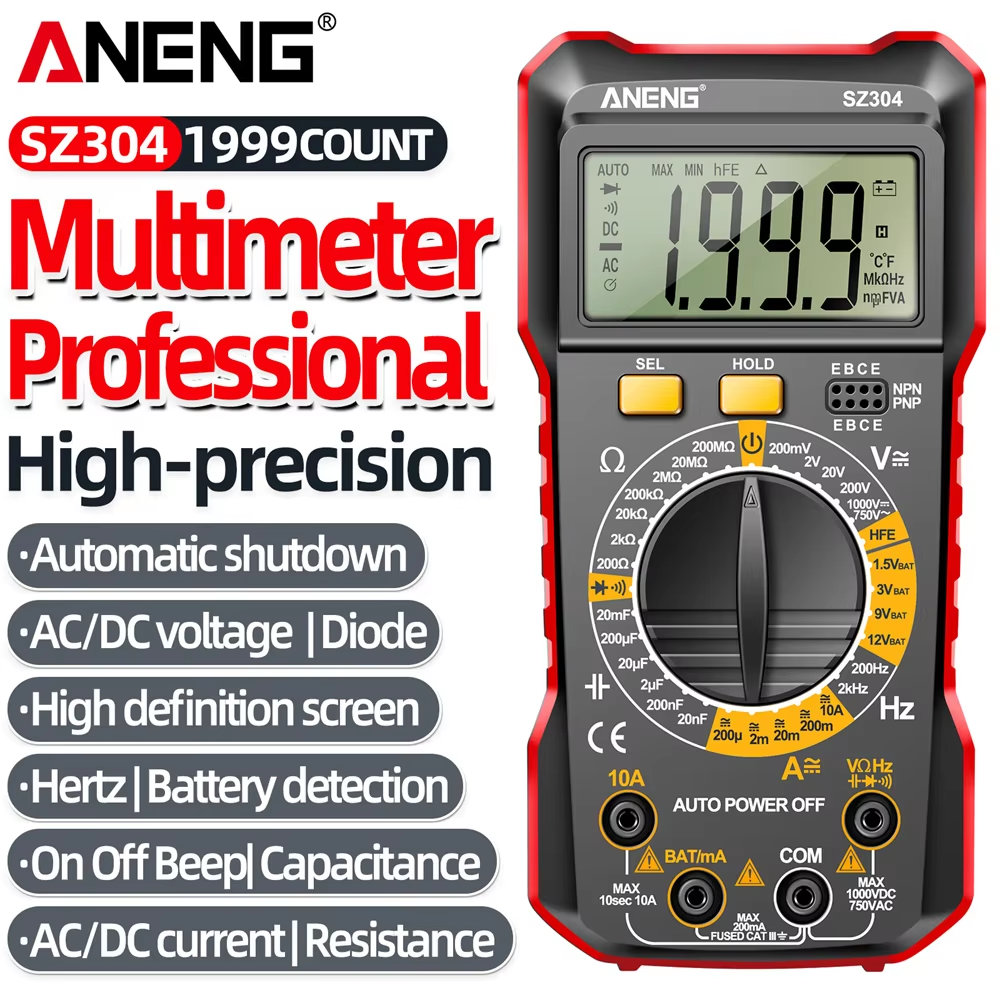
If you want one multimeter that covers most everyday electronics tasks, the Standard Digital Multimeter is usually the smartest choice. This is the most common type found in electronics labs, repair benches, workshops, and home toolkits.
Compared with pocket meters, it typically offers a larger display, better probe leads, more measurement ranges, and stronger overall usability.
For many hobbyists, this becomes the first “real” multimeter they rely on regularly.
💰 Typical Price Range
$15 – $45 depending on brand, auto-ranging features, accuracy, probe quality, and extra functions.
📦 Usually Includes
✅ Standard digital multimeter unit
✅ Test probes
✅ Battery (varies)
✅ User manual
✅ Rubber protective holster (many models)
✅ Kickstand / rear support (many models)
⭐ Why We Selected This Kit
⭐ 5/5 Overall Value – Best balance of price and features
⭐ 5/5 Practical Utility – Covers most electronics testing needs
⭐ 5/5 Easy Readability – Larger display than pocket meters
⭐ 4/5 Reliability – Better build quality on decent models
⭐ 5/5 Upgrade Step – Natural move after entry-level meters
🚀 Why It’s Useful
✅ Measures voltage, current, resistance, and continuity
✅ Often includes diode testing and transistor testing
✅ Larger display for easy reading
✅ Reliable for everyday electronics work
✅ Great for power supplies, chargers, circuits, and repairs
✅ Useful for students and workshop benches
⚠️ Keep in Mind
Quality varies heavily by brand. Very cheap units may have:
- Weak probes
- Slow continuity buzzer
- Lower accuracy
- Poor input protection
- Fragile rotary switches
Choose carefully.
🔧 My Verdict
If you only buy one multimeter for general electronics work, a Standard Digital Multimeter is often the best value. It offers far more usability than tiny pocket meters without spending professional-level money.
Excellent for hobbyists, students, repair work, and everyday bench use.
3. Auto-Ranging Digital Multimeter ⭐⭐⭐⭐⭐
Best Multimeter for Beginners, Fast Troubleshooting & Hassle-Free Testing
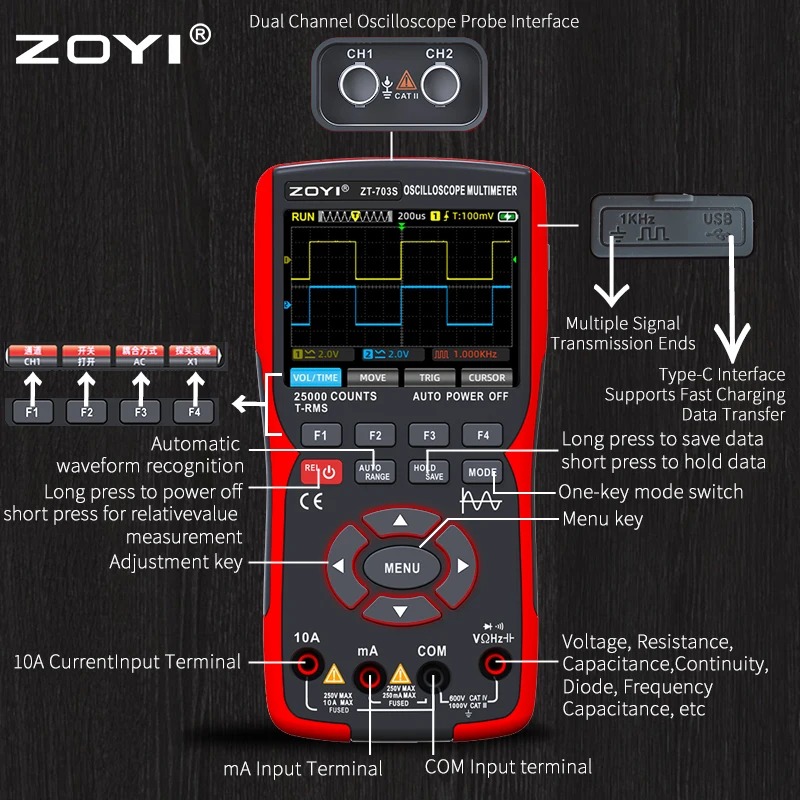
If you want a multimeter that is easier and faster to use, the Auto-Ranging Digital Multimeter is one of the best upgrades you can make.
Unlike manual-range meters, auto-ranging models automatically detect the correct measurement range for voltage, resistance, or continuity testing. That means less guesswork, fewer dial changes, and a smoother user experience.
For beginners especially, this removes one of the most confusing parts of using a multimeter.
💰 Typical Price Range
$18 – $60 depending on brand, accuracy, display quality, safety rating, probe quality, and extra functions.
📦 Usually Includes
✅ Auto-ranging digital multimeter unit
✅ Test probes
✅ Battery (varies)
✅ User manual
✅ Rubber protective holster (many models)
✅ Kickstand / rear stand
⭐ Why We Selected This Kit
⭐ 5/5 Beginner Friendly – Easier than manual-range meters
⭐ 5/5 Convenience – Faster testing with less dial adjustment
⭐ 5/5 Everyday Utility – Excellent for home, lab, and bench use
⭐ 4/5 Error Reduction – Helps avoid wrong range selections
⭐ 4/5 Upgrade Value – Worth it for regular users
🚀 Why It’s Useful
✅ Easier to use for beginners
✅ Faster measurement without manual range selection
✅ Reduces measurement errors
✅ Ideal for troubleshooting circuits
✅ Excellent when testing multiple voltage levels
✅ Great for electronics repair and diagnostics
⚠️ Keep in Mind
Some low-cost auto-ranging meters may be slower than premium models when switching ranges.
Check for:
- Fast continuity response
- Stable display refresh
- Good probe quality
- Reliable safety protection
- Trusted brand reputation
Cheap convenience can become annoying if the response is slow.
🔧 My Verdict
If you want a multimeter that simply makes life easier, an Auto-Ranging Digital Multimeter is a smart buy. It saves time, reduces mistakes, and feels more user-friendly than manual-range models.
Excellent for beginners, hobbyists, technicians, and anyone doing regular troubleshooting.
4. Smart Digital Multimeter (Compact Modern Design) ⭐⭐⭐⭐⭐
Best for Quick Diagnostics, Modern Convenience & Portable Everyday Use
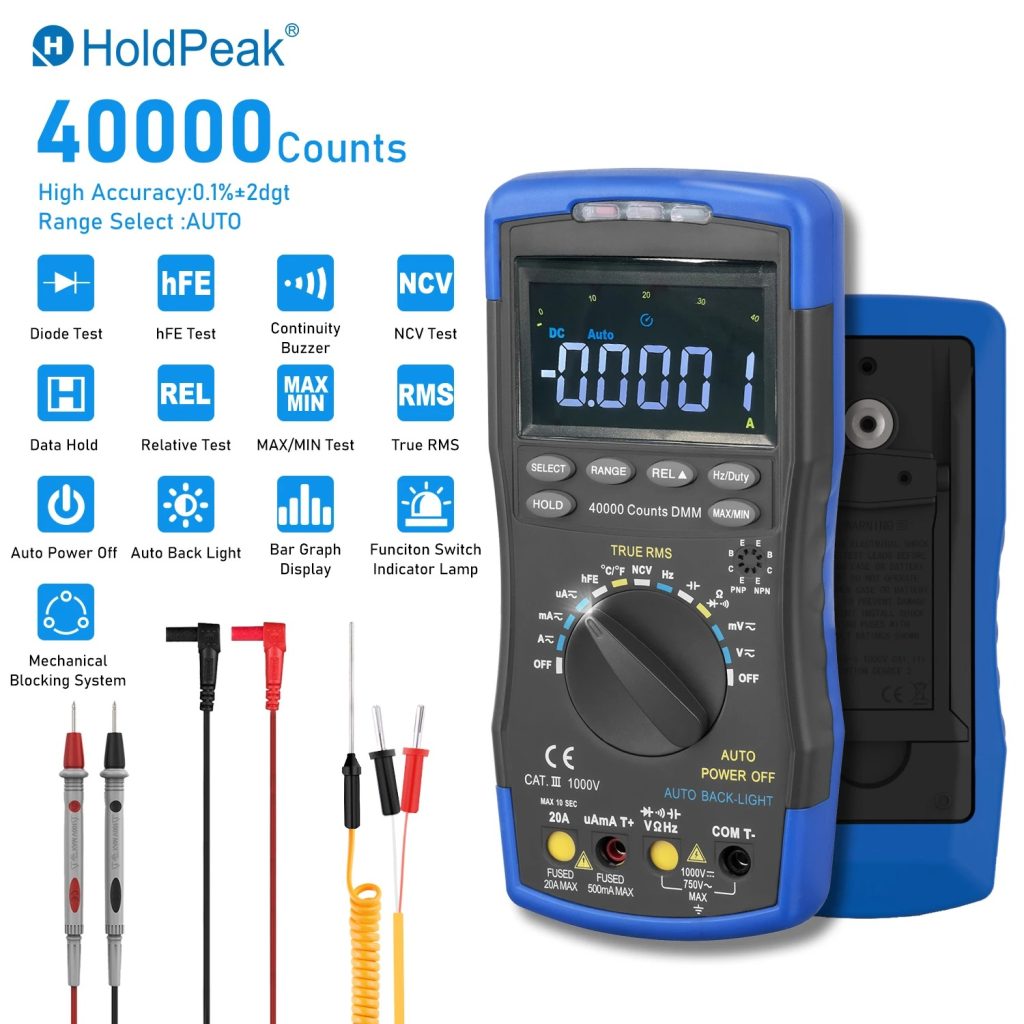
If you want a multimeter that feels modern, simple, and fast to use, the Smart Digital Multimeter is one of the most convenient new tool categories available.
Unlike traditional meters with many dial positions, smart multimeters are designed to automatically detect common measurements such as voltage, resistance, and continuity. Many models use a cleaner interface with fewer buttons and a more compact body.
That makes them especially attractive for technicians, field engineers, and users who want quick answers without constant mode switching.
💰 Typical Price Range
$20 – $70 depending on brand, display quality, battery type, accuracy, and smart features.
📦 Usually Includes
✅ Smart digital multimeter unit
✅ Test probes
✅ USB charging cable or battery (varies)
✅ User manual
✅ Protective case (some models)
⭐ Why We Selected This Kit
⭐ 5/5 Convenience – Fast automatic detection saves time
⭐ 5/5 Portability – Compact enough for tool bag or pocket
⭐ 4/5 Modern Design – Cleaner interface than old-style meters
⭐ 4/5 Quick Use Value – Excellent for fast checks and service work
⭐ 4/5 Beginner Friendly – Less intimidating than complex dial meters
🚀 Why It’s Useful
✅ Automatically detects voltage, resistance, and continuity
✅ Compact and portable
✅ Modern design with a simple interface
✅ Useful for quick diagnostics
✅ Great for service calls and field work
✅ Reduces time spent changing modes
⚠️ Keep in Mind
Smart meters are excellent for convenience, but some users may still prefer traditional meters for full manual control.
Check before buying:
- Detection speed
- Display readability
- Probe quality
- Safety rating
- Accuracy reputation
Convenience should not come at the cost of reliability.
🔧 My Verdict
If you want a meter that feels like the modern version of a multimeter, the Smart Digital Multimeter is a strong option. Fast, compact, and user-friendly.
Excellent for technicians, home users, field engineers, and anyone who values speed over complexity.
5. Multimeter with Temperature Measurement ⭐⭐⭐⭐⭐
Best for Power Electronics, Heat Troubleshooting & Multi-Purpose Bench Use
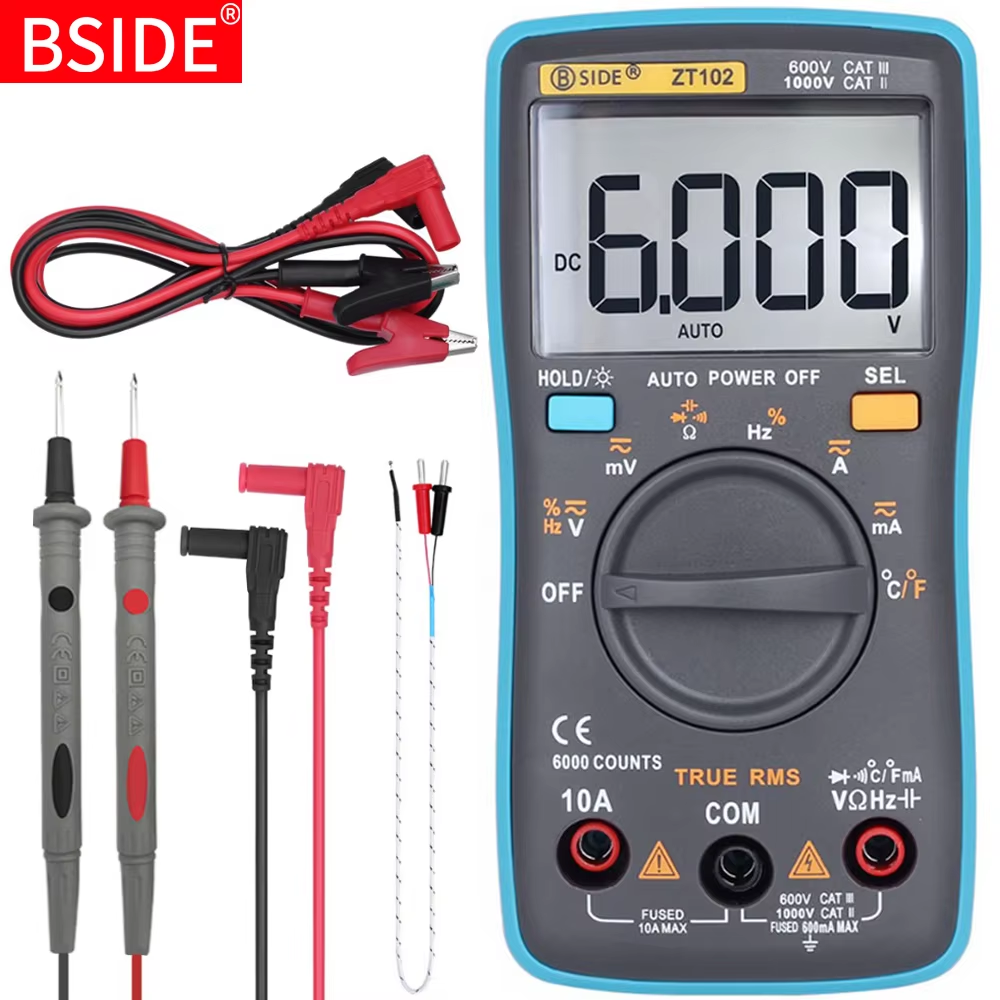
If you work with circuits that generate heat, a Multimeter with Temperature Measurement can be far more useful than a standard meter.
These models usually include a thermocouple probe that lets you measure the temperature of components, heat sinks, regulators, transformers, batteries, and power devices while also performing normal electrical measurements.
That means one tool can help diagnose both electrical faults and thermal problems.
💰 Typical Price Range
$25 – $80 depending on brand, accuracy, included probe quality, safety rating, and extra functions.
📦 Usually Includes
✅ Digital multimeter unit
✅ Standard test probes
✅ Thermocouple temperature probe
✅ Battery (varies)
✅ User manual
✅ Protective holster (many models)
⭐ Why We Selected This Kit
⭐ 5/5 Extra Utility – Adds temperature testing without buying another tool
⭐ 5/5 Great for Power Circuits – Useful for regulators, MOSFETs, drivers
⭐ 4/5 Troubleshooting Value – Helps locate overheating components
⭐ 4/5 Bench Efficiency – One tool handles multiple tasks
⭐ 4/5 Upgrade Worthiness – Excellent next-step multimeter feature
🚀 Why It’s Useful
✅ Measure component temperature
✅ Monitor heat sinks and power components
✅ Useful for power electronics projects
✅ Helps detect overheating issues
✅ Great for chargers, SMPS, motor drivers, LED systems
✅ Adds thermal diagnostics to normal electrical testing
⚠️ Keep in Mind
Included probes on low-cost models may be basic.
Check for:
- Probe temperature range
- Accuracy tolerance
- Fast response time
- Strong input protection
- Reliable meter brand
The temperature function is most valuable when paired with a decent overall meter.
🔧 My Verdict
If you often work on power supplies, motor drivers, regulators, batteries, or hot-running circuits, this type of multimeter is a smart buy. It helps reveal issues that voltage readings alone may miss.
Excellent for electronics hobbyists, repair work, power electronics users, and practical bench troubleshooting.
Important Features to Consider
When choosing a multimeter for electronics work, consider these features:
Measurement Accuracy
Look for reliable voltage and resistance measurement accuracy.
Continuity Buzzer
A fast continuity test helps quickly identify short circuits and broken connections.
Backlit Display
Useful when working in low-light environments or repair benches.
Safety Protection
Good multimeters include fuses and overload protection.
Which Multimeter is Best for DIY Electronics?
For beginners:
- Pocket digital multimeter
- Standard digital multimeter
For advanced hobbyists:
- Auto-ranging multimeter
- Smart multimeter
For power electronics work:
- Multimeter with temperature measurement
Read more:
- Eco-Friendly Science Projects for Students: Inspiring Over 250 Sustainable Ideas
- Top Trending Electronics Projects for 2025 Using Cutting-Edge Components
- The Growing Demand for DIY Tools in 2025
Conclusion
A multimeter is one of the most important tools in any electronics workspace. Even an affordable multimeter can help you diagnose problems, test components, and improve your understanding of circuits.
Whether you are a beginner learning electronics or an experienced engineer building complex systems, a reliable multimeter will always be one of the most valuable tools on your workbench.
Liked this article? Subscribe to our newsletter:
or,
Visit LabProjectsBD.com for more inspiring projects and tutorials.
Thank you!



0 Comments