Electronics technology continues to evolve rapidly, and along with it many small gadgets have appeared that solve everyday technical problems in clever ways. Some of these devices may look unusual or unfamiliar at first, but they can be extremely useful for engineers, hobbyists, technicians, and DIY enthusiasts.
Many of these gadgets are compact, affordable, and designed to simplify testing, debugging, or everyday electronics work. From USB testers to cable detectors, these tools can save time and help diagnose problems quickly.
In this article, we explore some strange but surprisingly useful electronics gadgets that can be valuable additions to your electronics workspace.
Table of Contents
1. USB Power Meter
A USB power meter is a small device that measures voltage, current, and power consumption of USB devices.
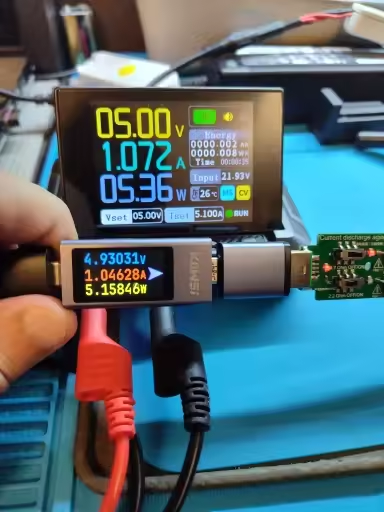
It is extremely useful when testing phone chargers, power banks, USB-powered modules, or embedded projects.
Typical uses include:
- Testing USB chargers
- Measuring device power consumption
- Evaluating power banks
- Debugging USB-powered circuits
2. USB Voltage Detector
A USB voltage detector quickly indicates whether a USB port is supplying power.
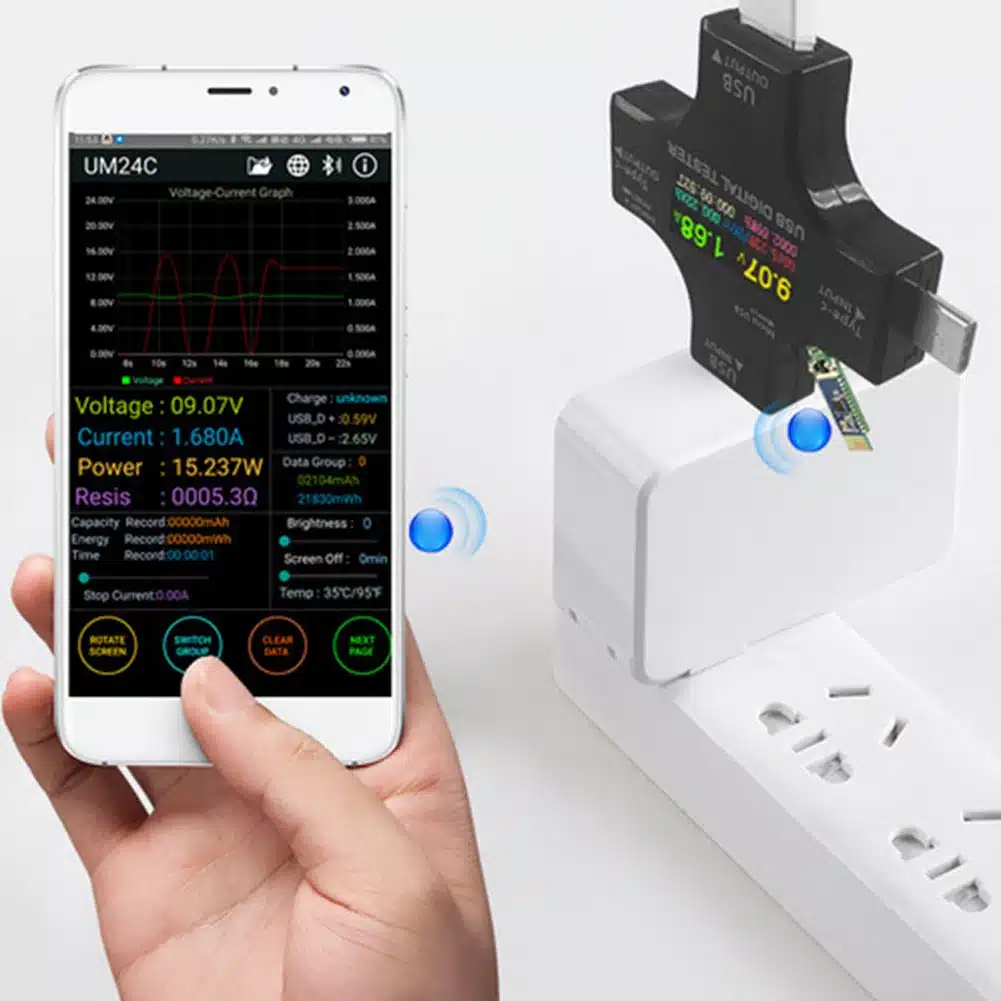
This simple gadget helps verify whether a USB port is active without connecting expensive equipment.
Common uses include:
- Checking laptop USB ports
- Testing power banks
- Verifying USB power availability
3. LED Component Tester
An LED tester is designed to quickly check LED functionality and polarity.
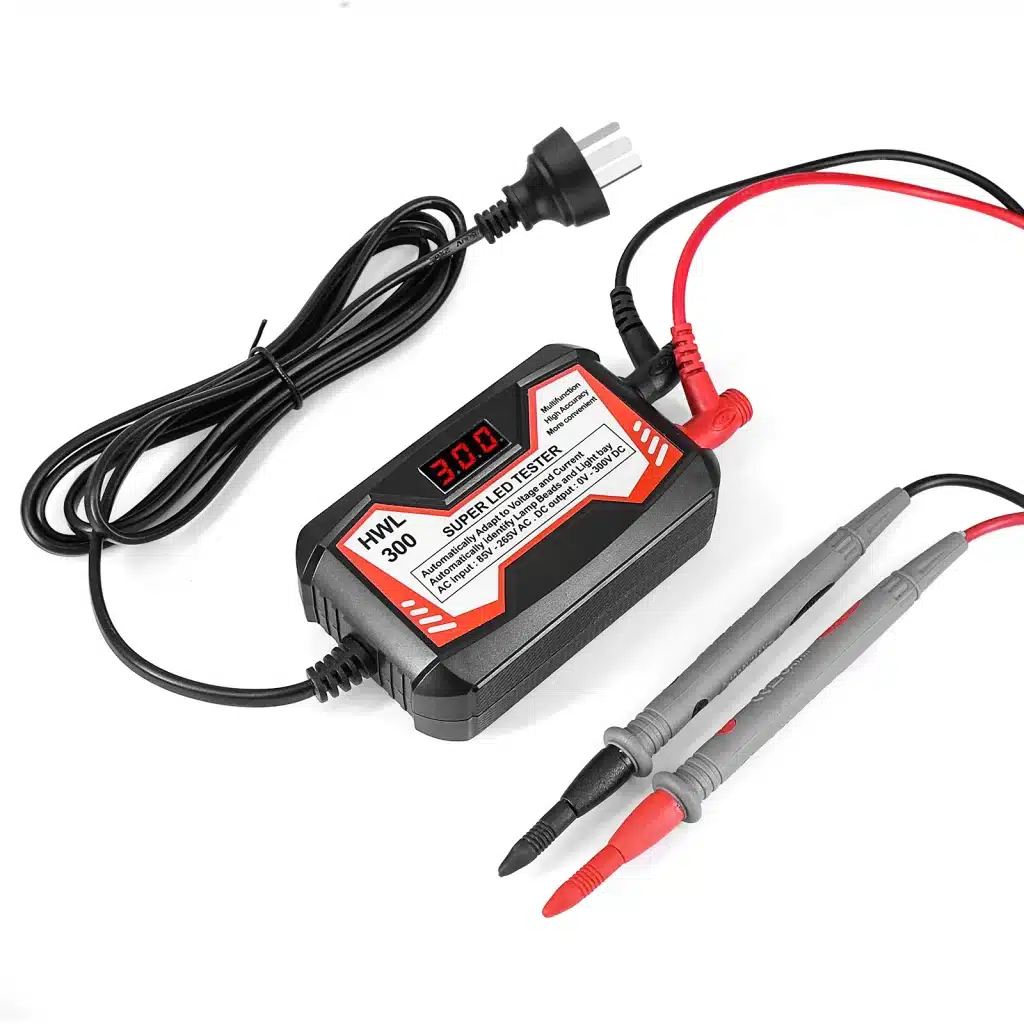
It can test different types of LEDs, including SMD LEDs, high-power LEDs, and LED strips.
Useful applications include:
- Testing LEDs before installation
- Checking polarity
- Diagnosing faulty LED components
4. Cable Tracker / Wire Finder
A cable tracker helps locate and identify wires inside walls, bundles, or complex wiring systems.
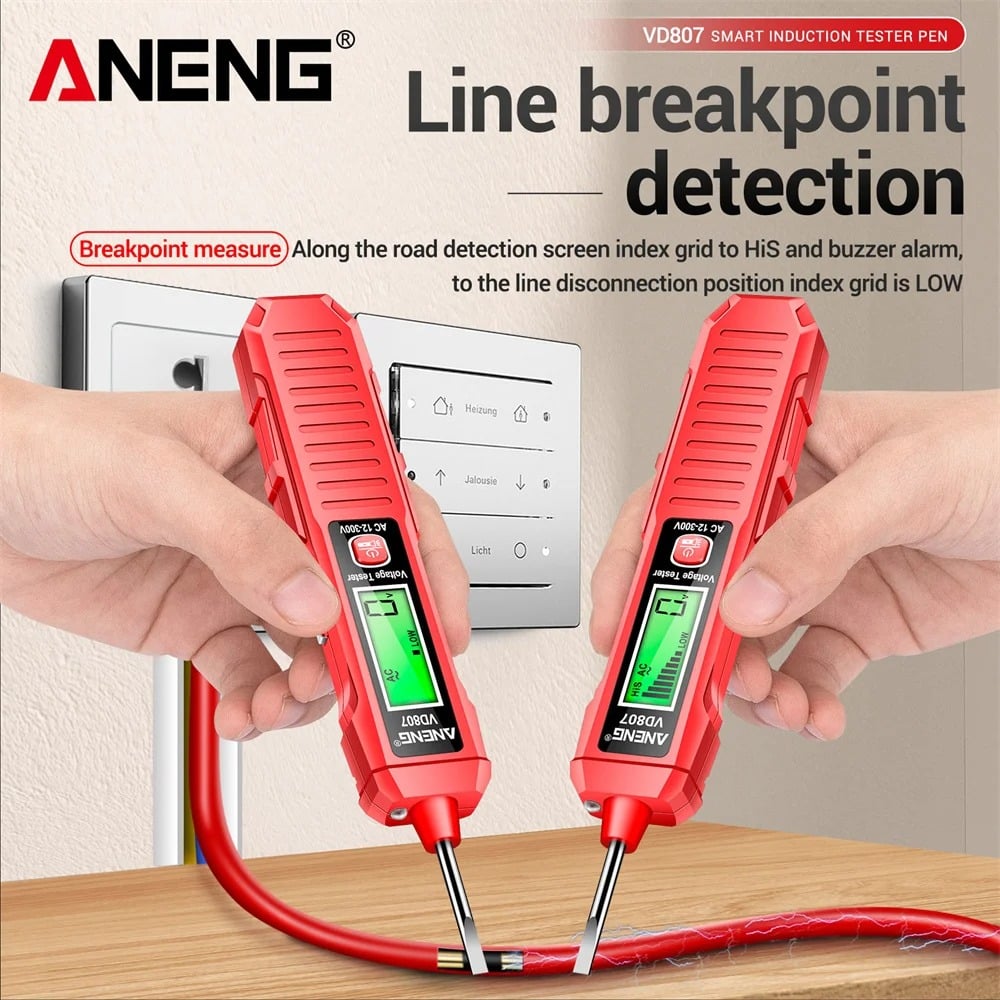
It sends a signal through the wire and allows the user to trace it using a handheld probe.
Typical uses include:
- Finding network cables
- Identifying unknown wires
- Troubleshooting wiring systems
5. USB Oscilloscope
A USB oscilloscope connects to a computer and allows waveform analysis through software.
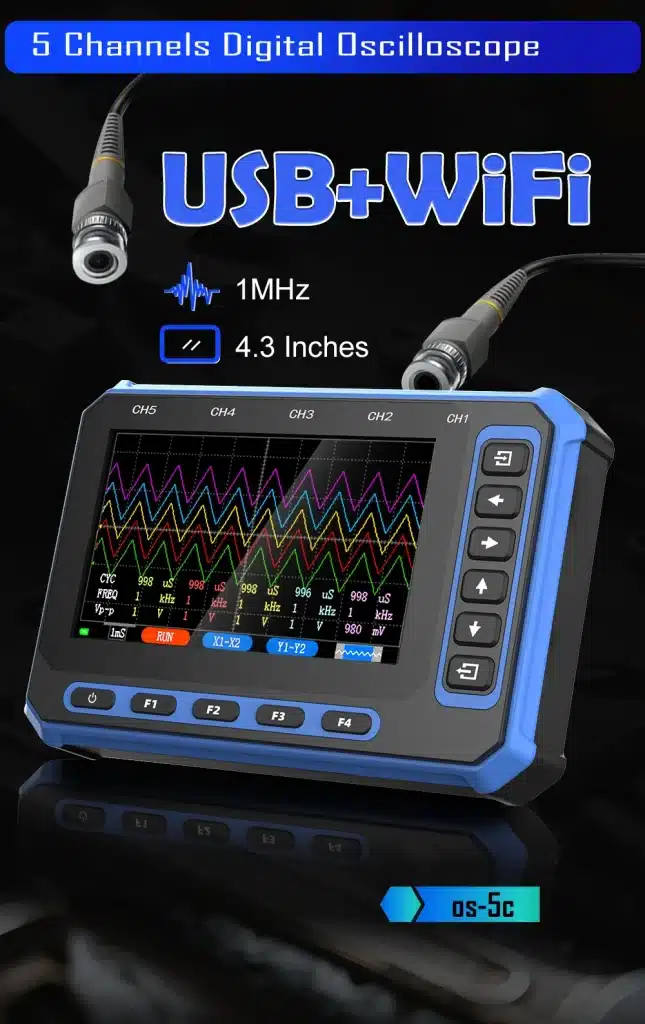
While smaller than traditional oscilloscopes, these devices are very useful for basic signal analysis.
Typical uses include:
- Observing signal waveforms
- Debugging digital circuits
- Learning electronics measurement techniques
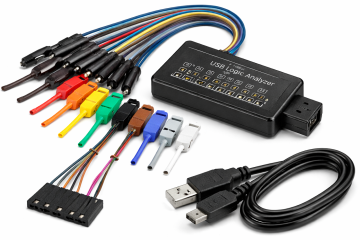
6. Pocket Logic Analyzer
Pocket logic analyzers are compact tools used to monitor digital communication signals.
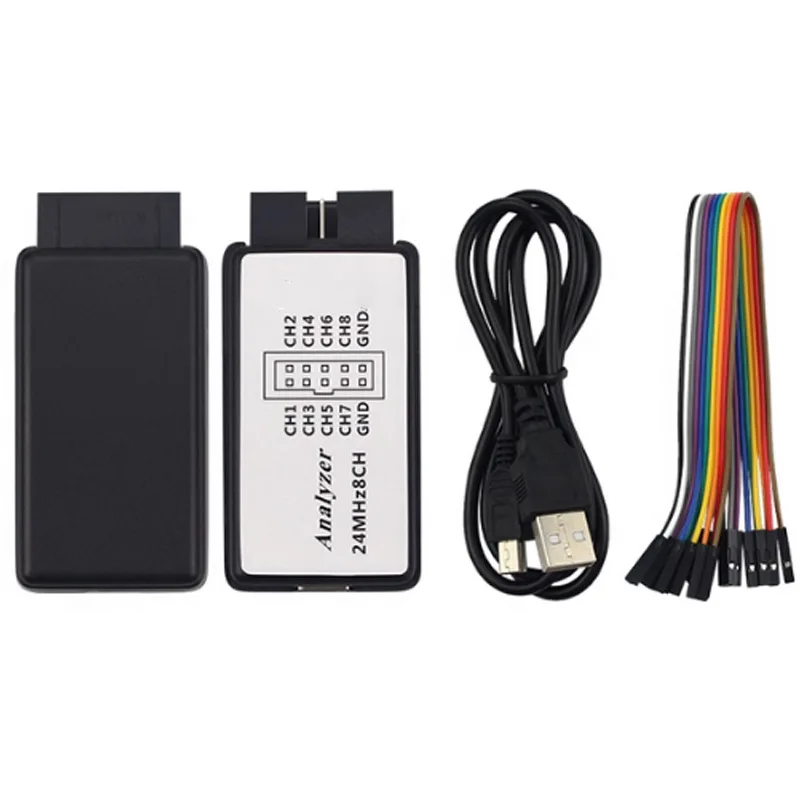
They are commonly used when working with microcontrollers such as Arduino or STM32.
Typical applications include:
- Debugging SPI communication
- Analyzing I2C signals
- Monitoring UART data
7. Infrared Tester
Infrared signals are invisible to the human eye, but an infrared detector can reveal whether IR signals are being transmitted.
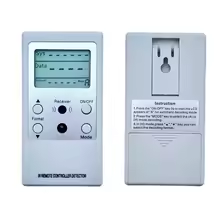
This tool is commonly used when testing remote controls or infrared communication systems.
Typical uses include:
- Checking TV remote controls
- Testing IR transmitters
- Diagnosing remote control problems
8. Component LCR Tester
An LCR tester automatically measures inductance, capacitance, and resistance of electronic components.
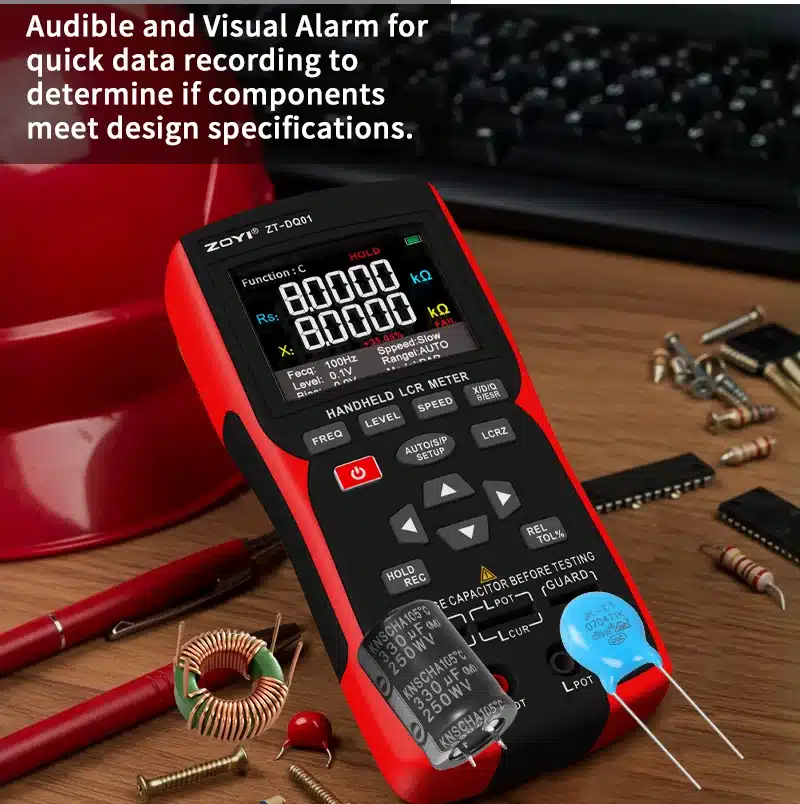
Some versions can also identify component types automatically.
Typical uses include:
- Measuring capacitors
- Testing inductors
- Checking resistor values
9. USB Load Tester
A USB load tester applies a controlled load to USB power sources to test their capacity and stability.
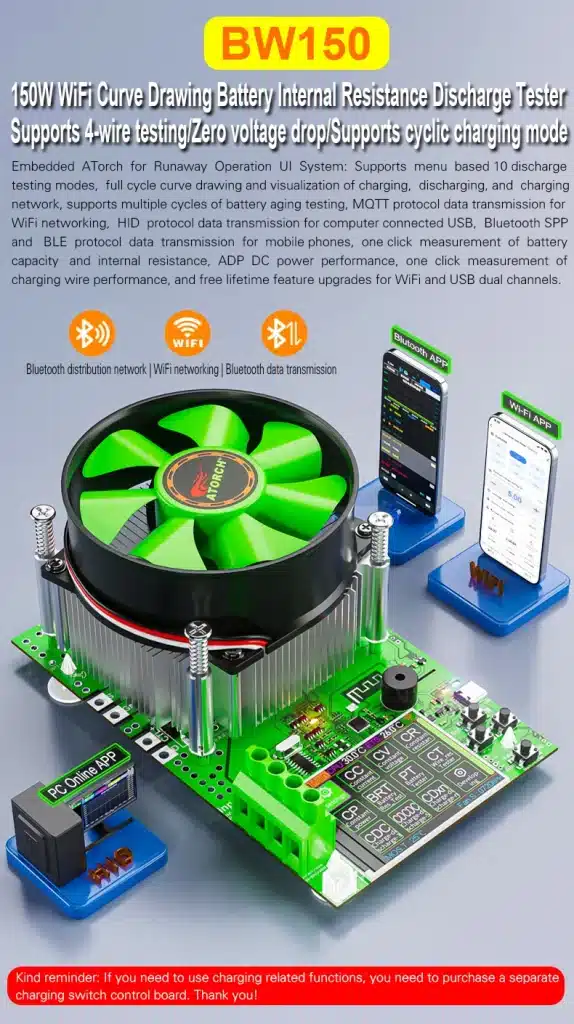
It is very useful when evaluating power banks and USB chargers.
Typical applications include:
- Testing charger output stability
- Measuring maximum current capability
- Evaluating power bank performance
10. Magnetic PCB Holder
A magnetic PCB holder uses magnets to hold circuit boards in place while soldering.
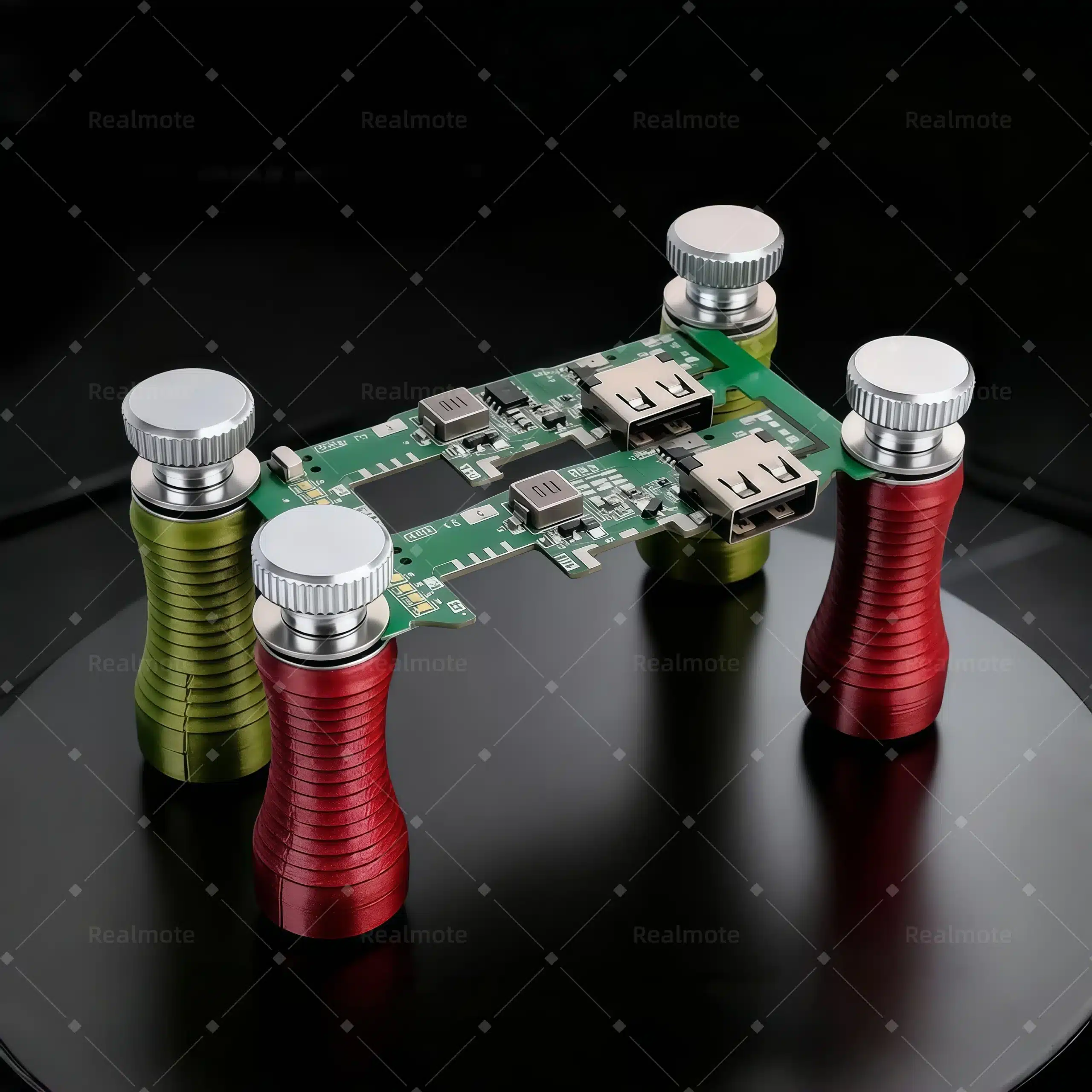
This design provides flexible positioning and strong stability during PCB assembly or repair.
Benefits include:
- Adjustable board positioning
- Stable soldering environment
- Improved working comfort
11. Mini Spot Welder
Mini spot welders are compact devices used to weld battery tabs, especially for lithium battery packs.
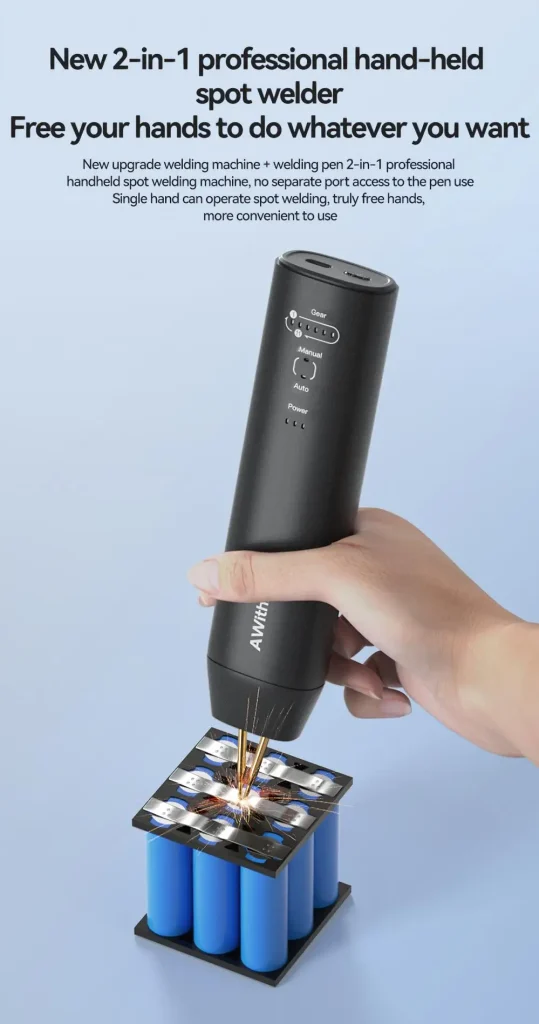
They are widely used in DIY battery pack construction.
Typical uses include:
- Building lithium battery packs
- Repairing battery connections
- Spot welding nickel strips
12. USB Current Detector Cable
This special cable displays current flow directly on the cable itself.
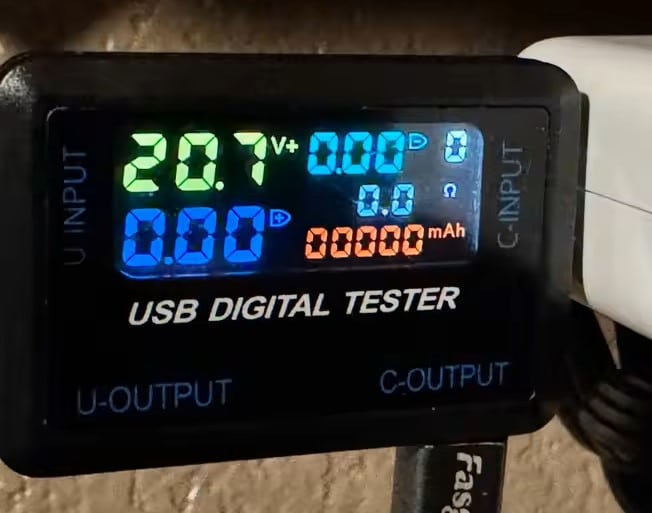
It provides a quick visual indication of how much current a device is drawing.
Typical uses include:
- Checking charging current
- Testing USB devices
- Identifying slow chargers
13. Automatic Wire Stripper
Automatic wire strippers remove insulation quickly and precisely without damaging the conductor.
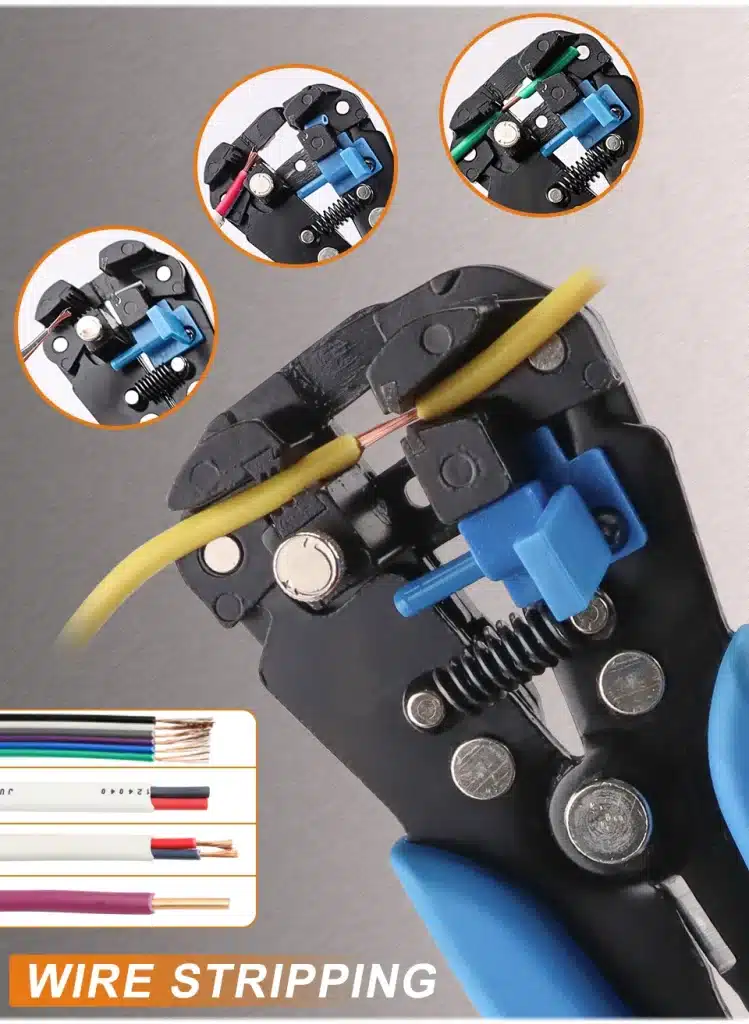
They are especially useful when preparing multiple wires for electronic projects.
Benefits include:
- Faster wire preparation
- Clean stripping
- Adjustable wire size support
14. SMD Vacuum Pickup Tool
SMD vacuum pickup tools use suction to pick up tiny surface mount components.
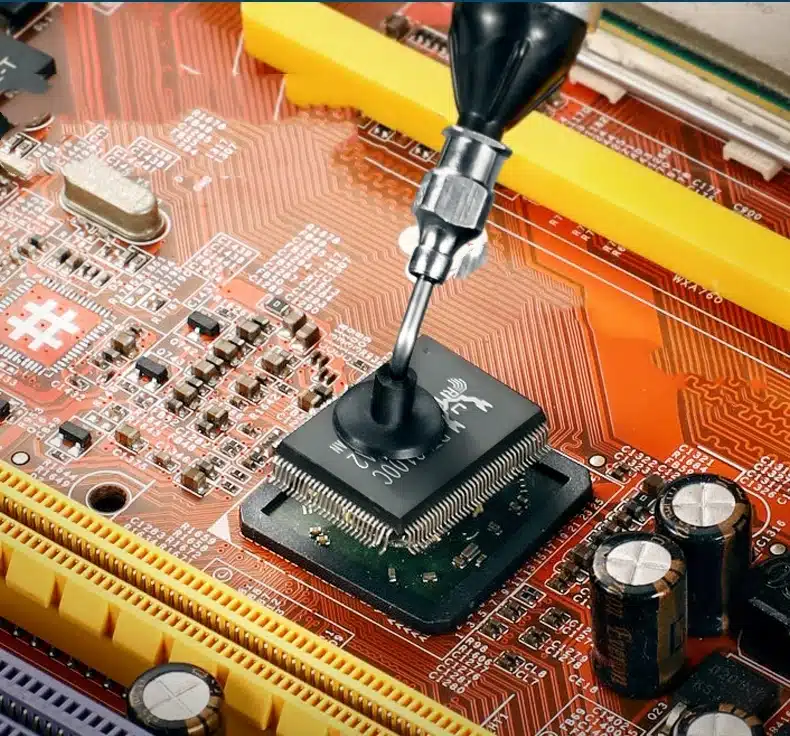
They make handling very small components easier and more precise.
Typical uses include:
- Picking up SMD resistors and capacitors
- Positioning ICs
- Precision PCB assembly
15. Digital Angle Finder
A digital angle finder measures angles precisely and is commonly used in mechanical work, robotics, and DIY projects.
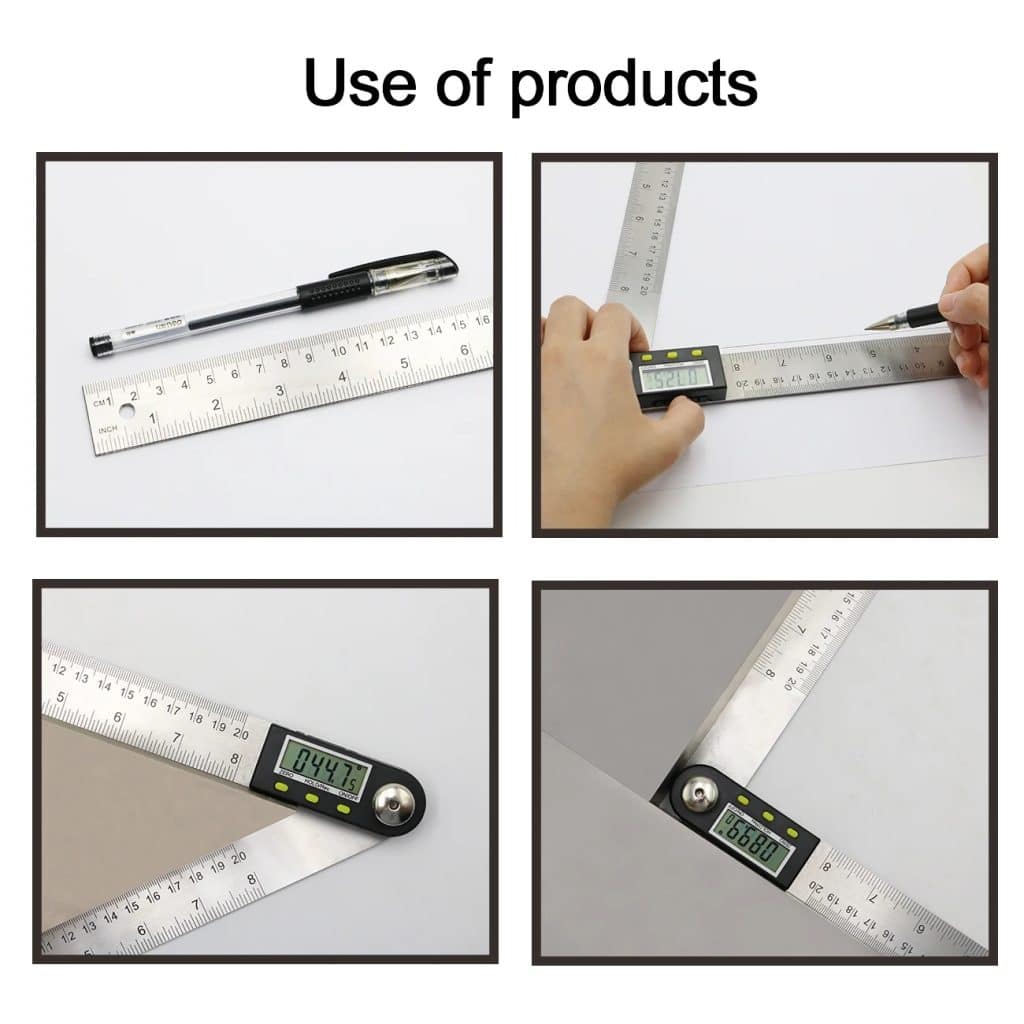
Typical uses include:
- Mechanical alignment
- Robotics assembly
- Equipment calibration
16. USB Data Blocker
A USB data blocker allows power transfer while blocking data communication.

This device helps prevent data theft when charging devices in public USB ports.
Typical uses include:
- Safe charging in public places
- Protecting mobile devices from malicious USB ports
17. Smart Socket Energy Meter
Smart socket energy meters measure electricity usage of devices connected to them.
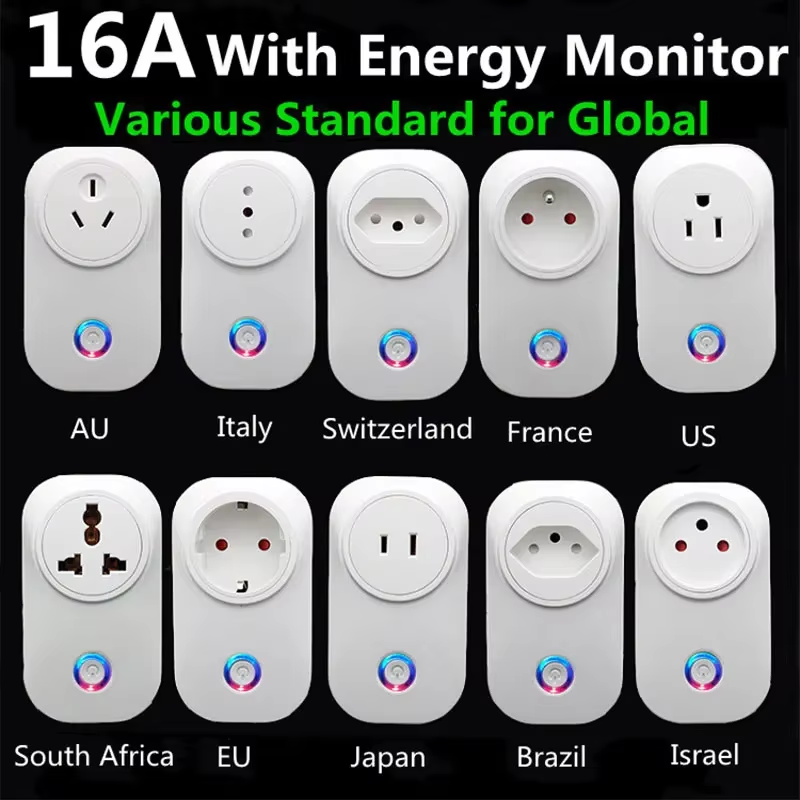
They provide real-time power consumption data.
Typical uses include:
- Monitoring appliance energy consumption
- Measuring standby power usage
- Evaluating device efficiency
18. Component Organizer
Electronic component organizers store resistors, capacitors, and small parts in labeled compartments.
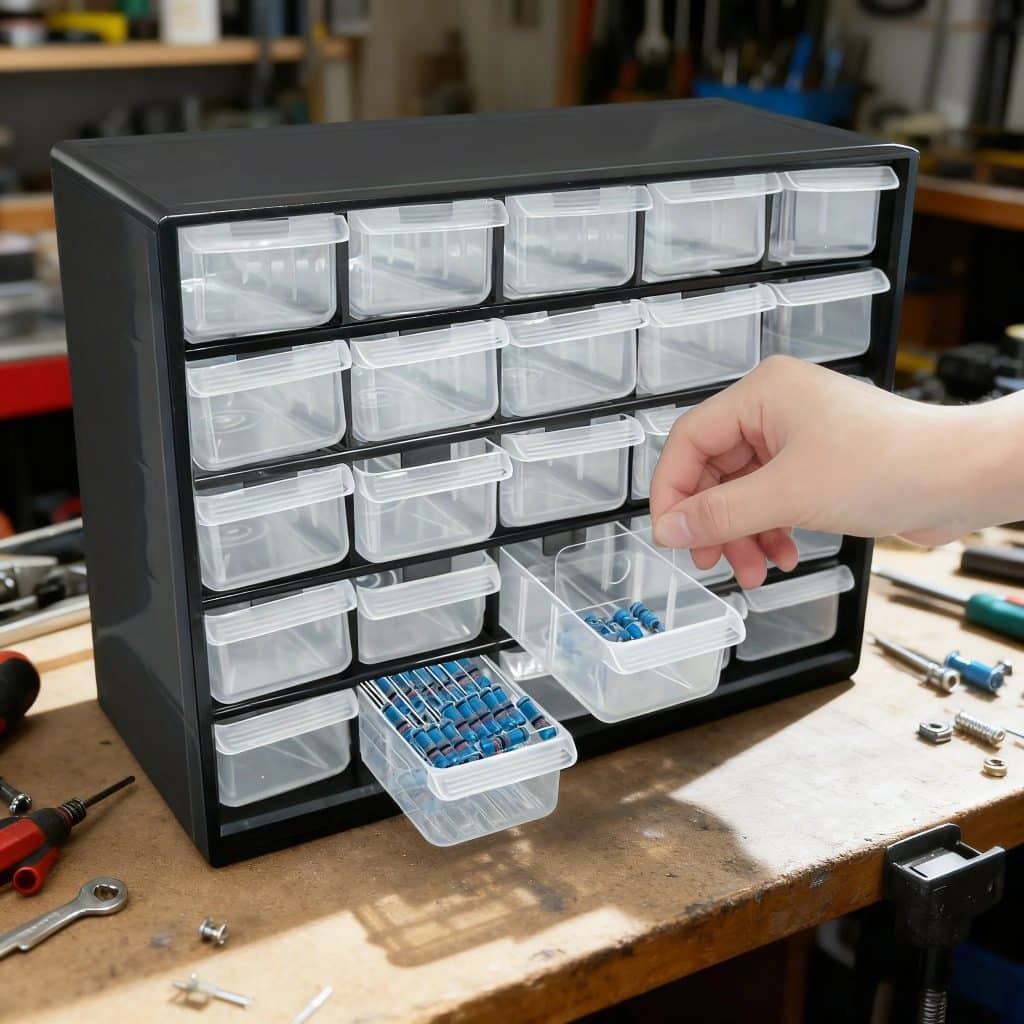
Some versions include digital identification features.
Benefits include:
- Better component organization
- Faster component access
- Improved workspace efficiency
19. Portable Thermal Camera
Portable thermal cameras attach to smartphones and detect heat patterns.
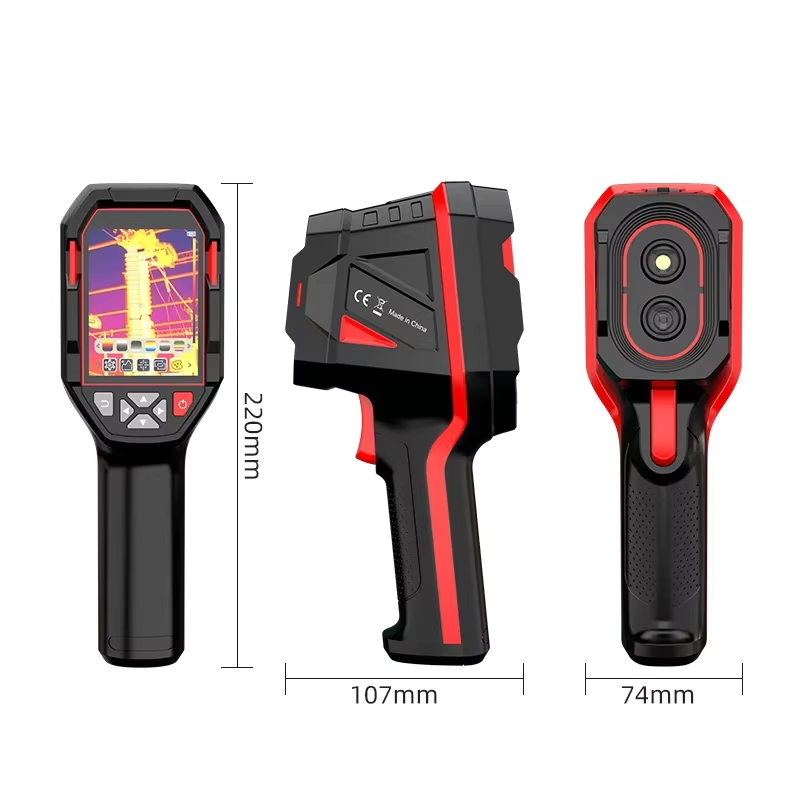
They can identify overheating components and thermal problems.
Typical uses include:
- PCB thermal inspection
- Power electronics testing
- Identifying overheating components
20. USB Protocol Analyzer
USB protocol analyzers monitor communication between USB devices and host systems.
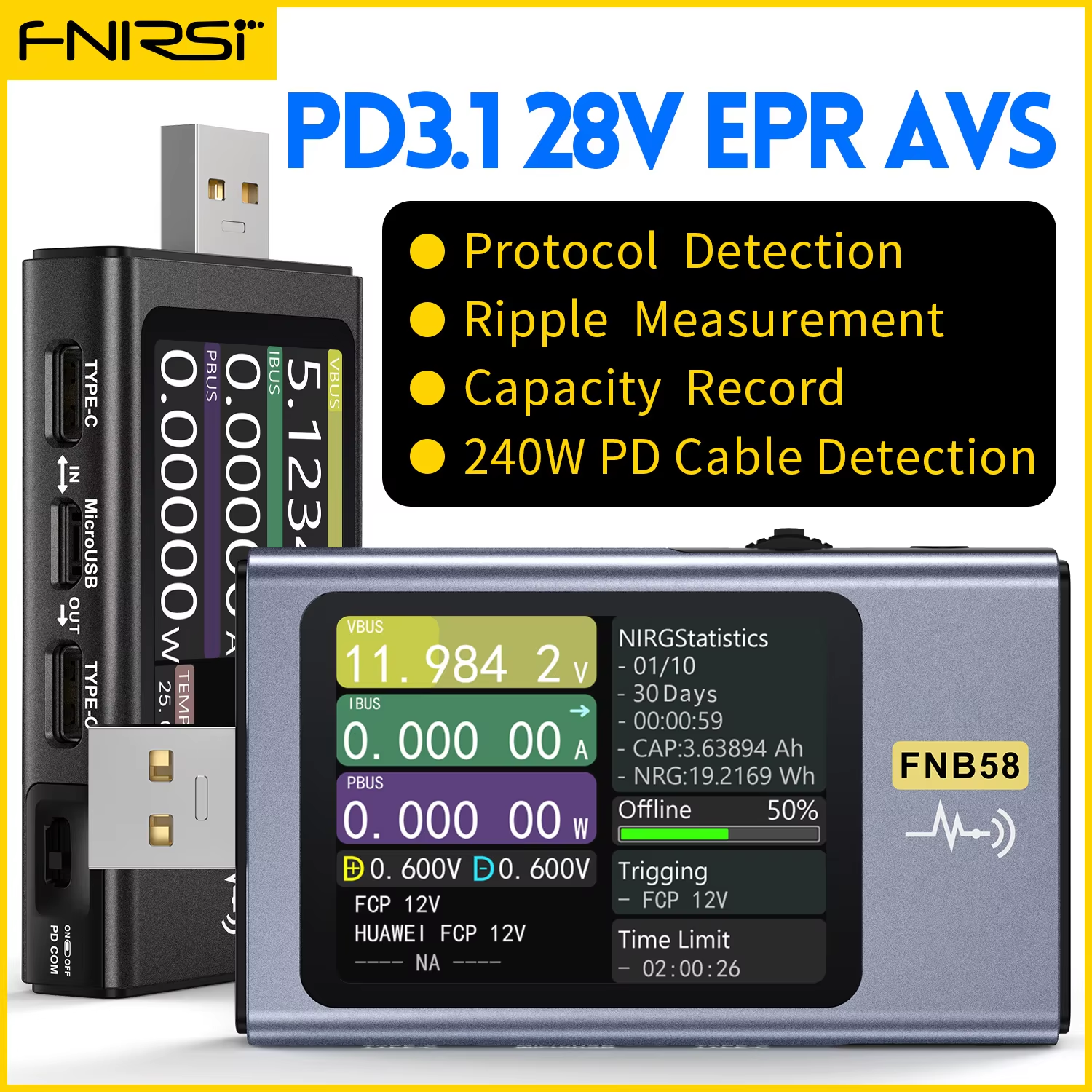
They are valuable tools for debugging USB devices and firmware development.
Typical uses include:
- USB communication debugging
- Firmware testing
- Protocol analysis
Conclusion
Modern electronics tools are becoming smaller, smarter, and more specialized. Many gadgets that may initially appear unusual can actually solve very specific problems in electronics development, testing, and repair.
Devices such as USB power meters, logic analyzers, cable trackers, and component testers can significantly simplify troubleshooting and improve workflow efficiency. Even simple tools like automatic wire strippers or vacuum pickup tools can make everyday electronics work much easier.
As electronics technology continues to evolve, these compact gadgets are becoming valuable additions to both hobbyist workbenches and professional engineering labs. Exploring and using such tools can help engineers and makers work more efficiently while discovering new ways to solve technical challenges.
Liked this article? Subscribe to our newsletter:
or,
Visit LabProjectsBD.com for more inspiring projects and tutorials.
Thank you!



0 Comments