A signal generator is an essential instrument for anyone working with electronics, embedded systems, or circuit design. It enables engineers and hobbyists to generate a range of electrical waveforms, including sine, square, and triangular waves, to test and analyze electronic circuits.
Signal generators are widely used for testing amplifiers, debugging communication circuits, analyzing filters, and experimenting with analog electronics. Fortunately, many affordable signal generators are available today that are suitable for DIY electronics labs and learning environments.
In this guide, we will explore some of the best budget signal generators for electronics hobbyists, ranging from simple DIY kits to more advanced digital waveform generators.
Table of Contents
1. XR2206 Function Generator Kit
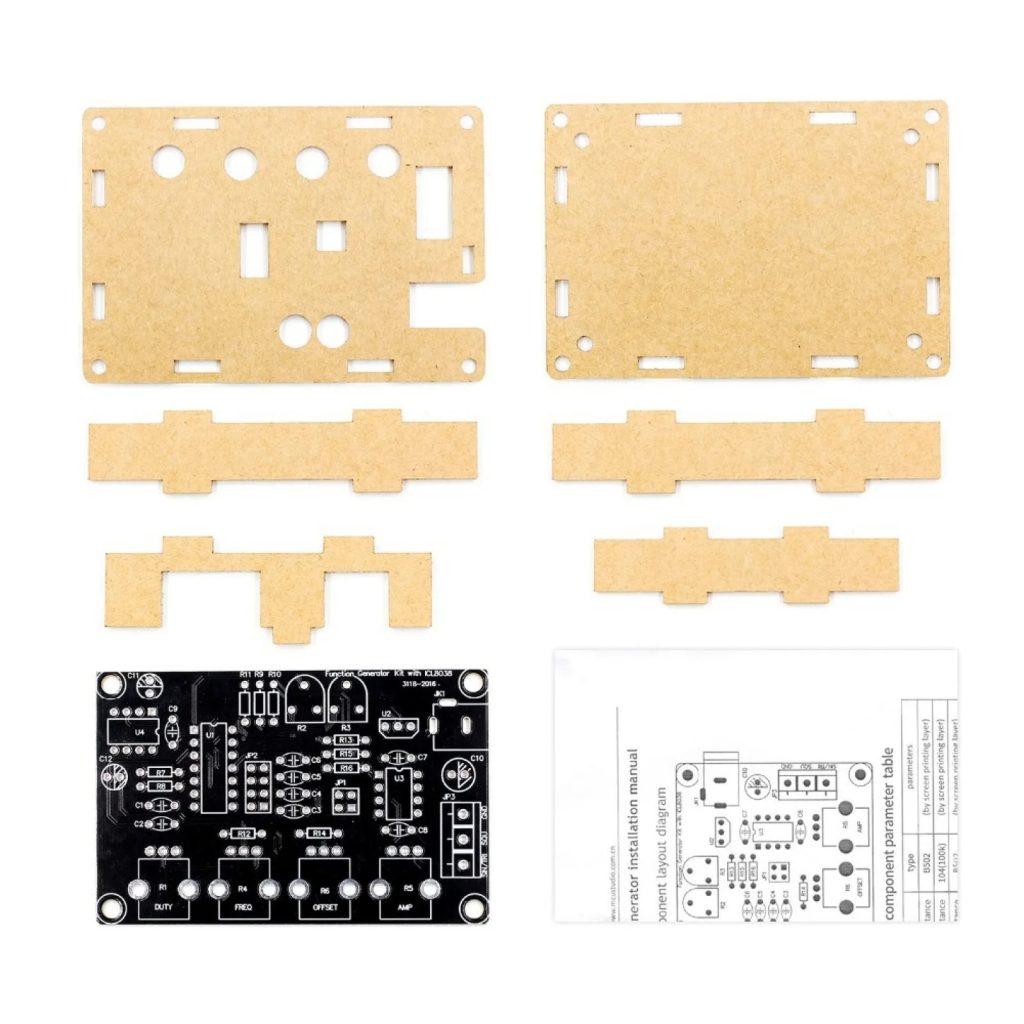
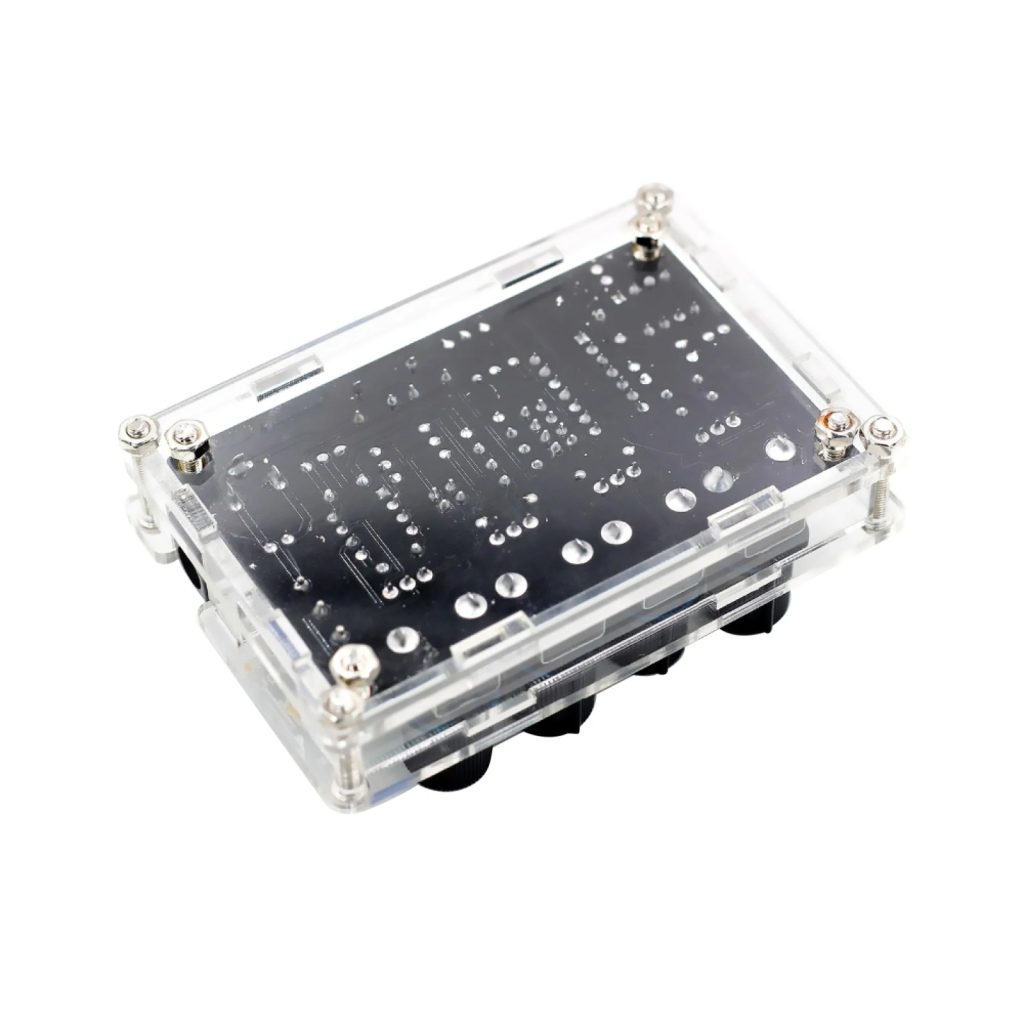
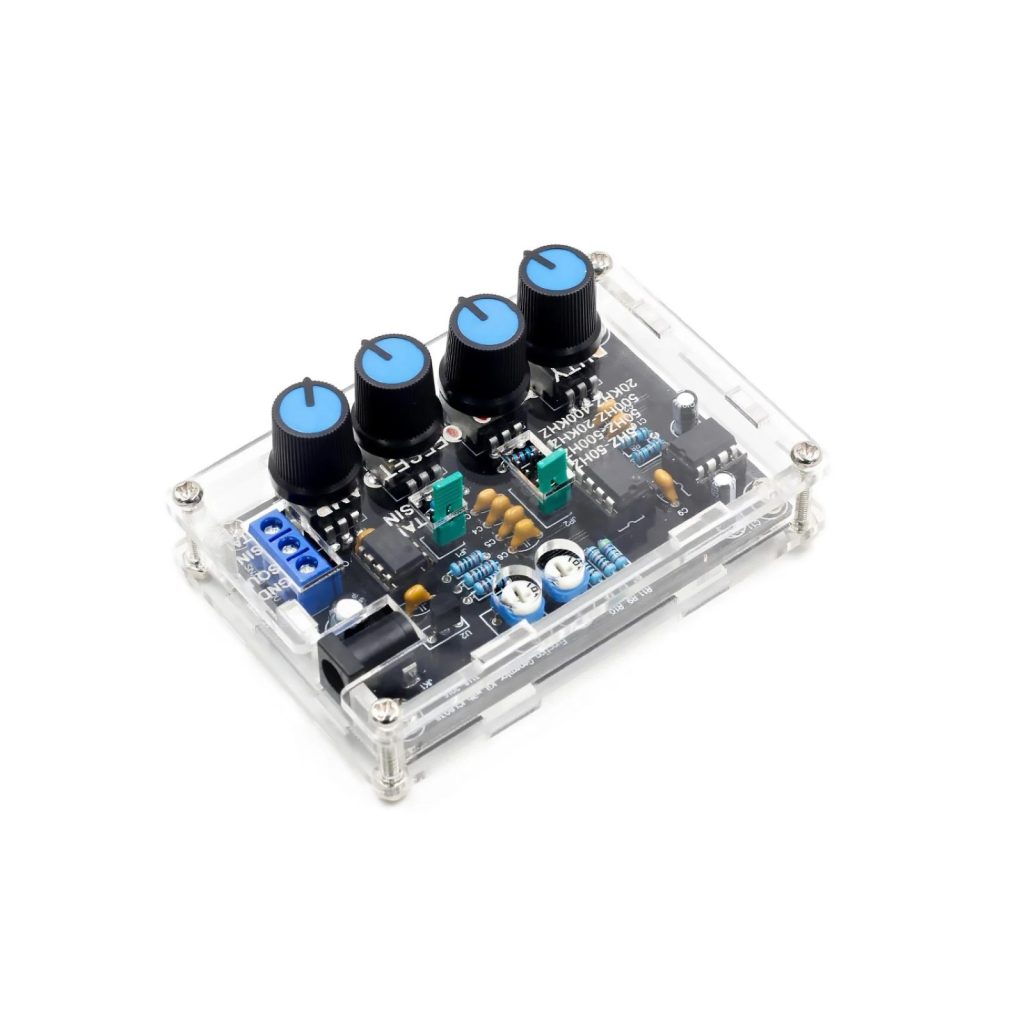
The XR2206 function generator kit is one of the most popular DIY signal generator kits.
Why it’s useful
- Generates sine, square, and triangle waveforms
- Adjustable frequency output
- Great for learning analog electronics
- Affordable and easy to assemble
This kit is widely used by students and hobbyists who want to understand signal generation circuits.
2. ICL8038 Signal Generator Module
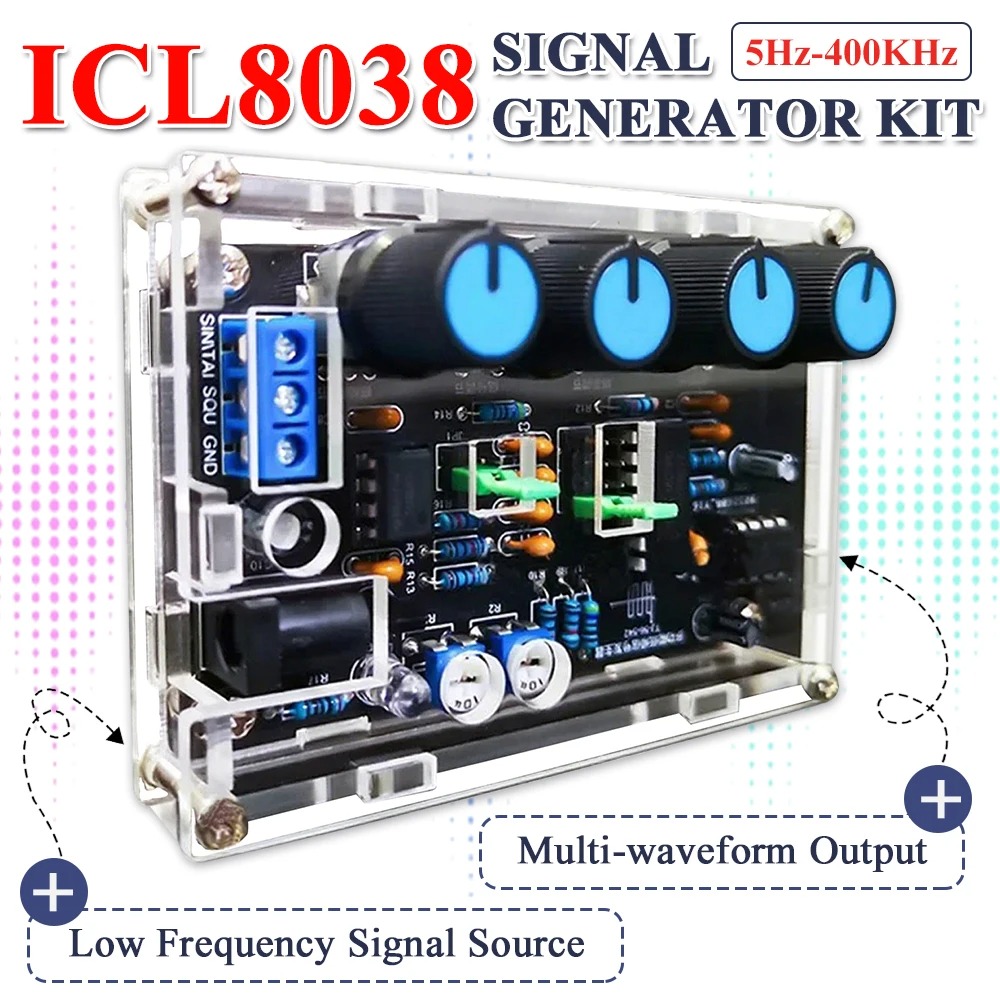
The ICL8038 module is another classic waveform generator used in electronics experiments.
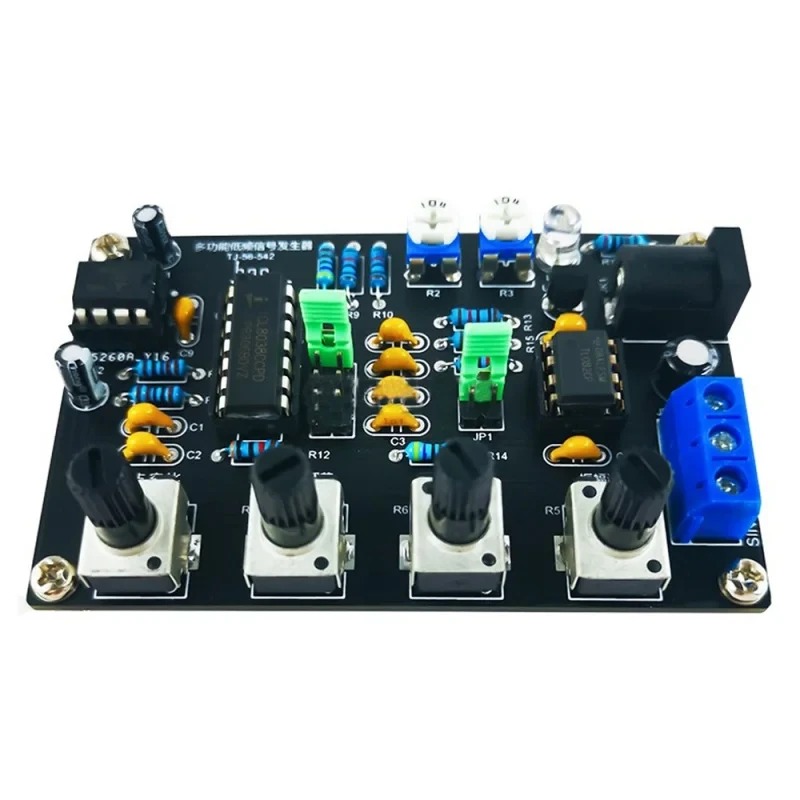
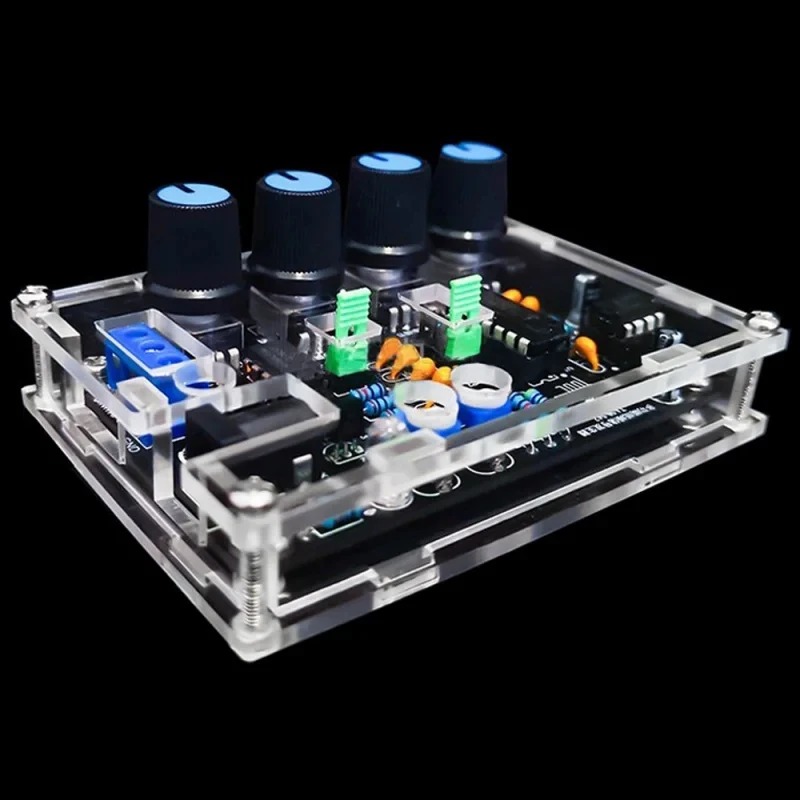
Why it’s useful
- Generates multiple waveform types
- Simple analog circuit design
- Useful for educational electronics projects
- Suitable for low-frequency testing
This module is ideal for basic signal testing and analog circuit experiments.
3. DDS Function Generator (Digital Signal Generator)
DDS (Direct Digital Synthesis) signal generators provide more stable and accurate waveforms.
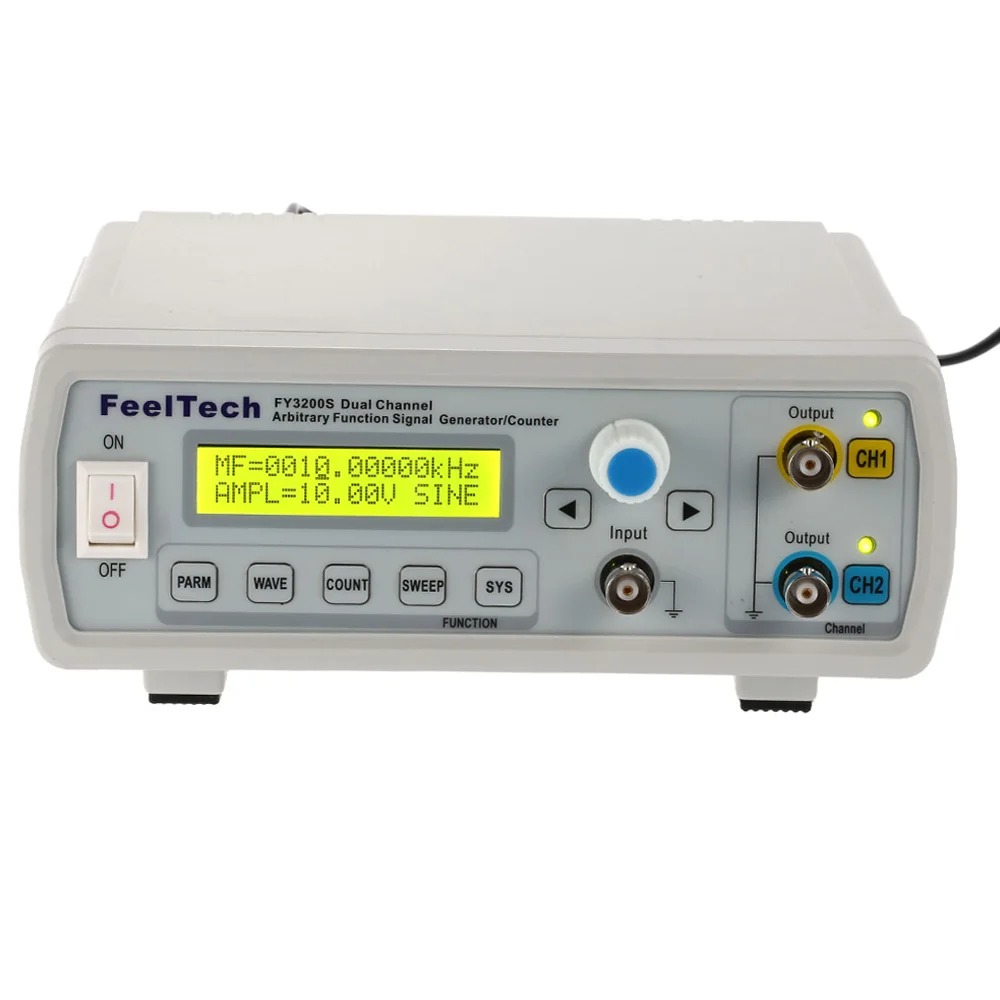
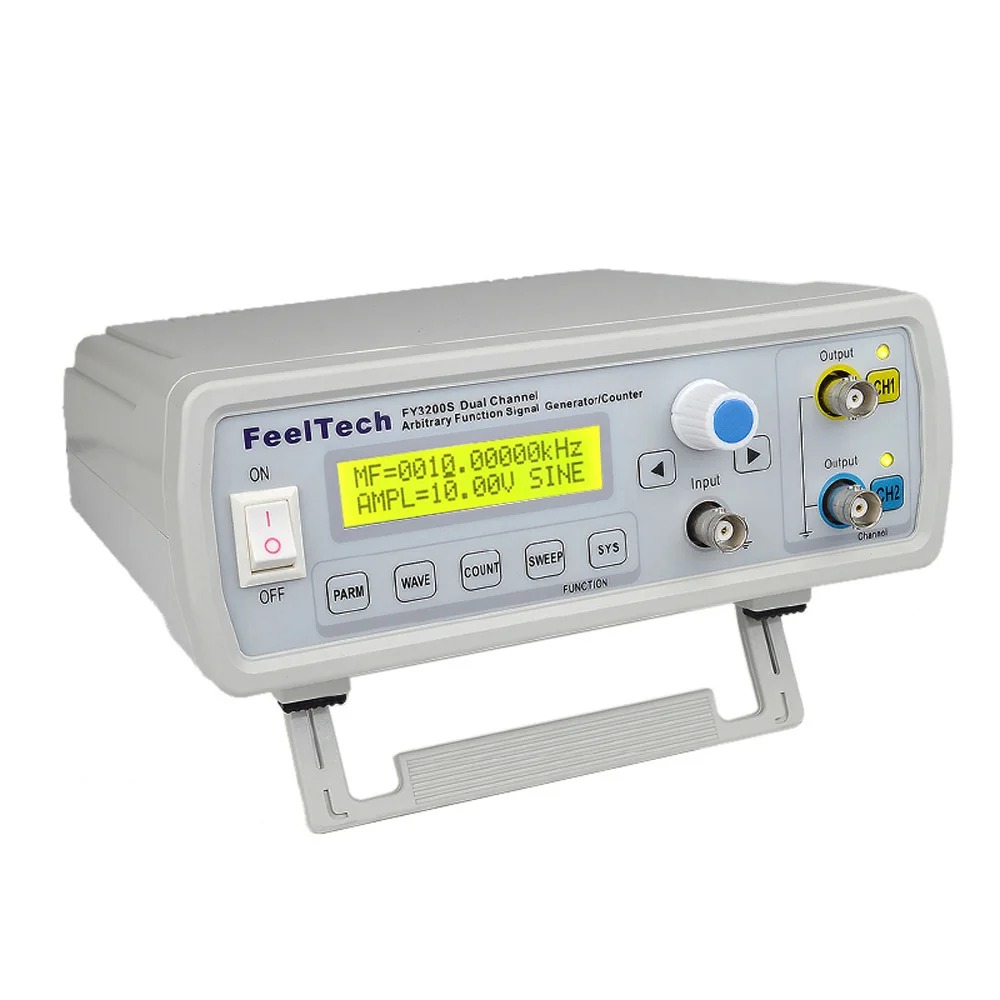
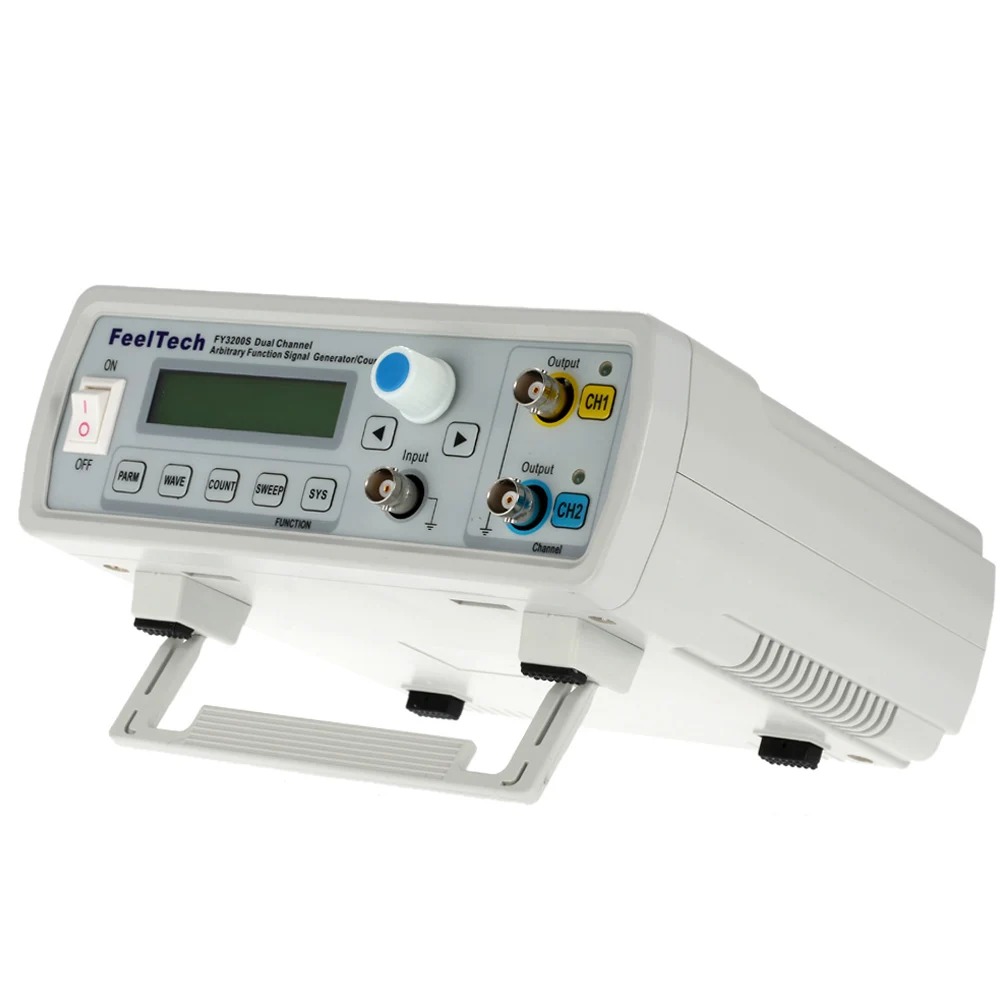
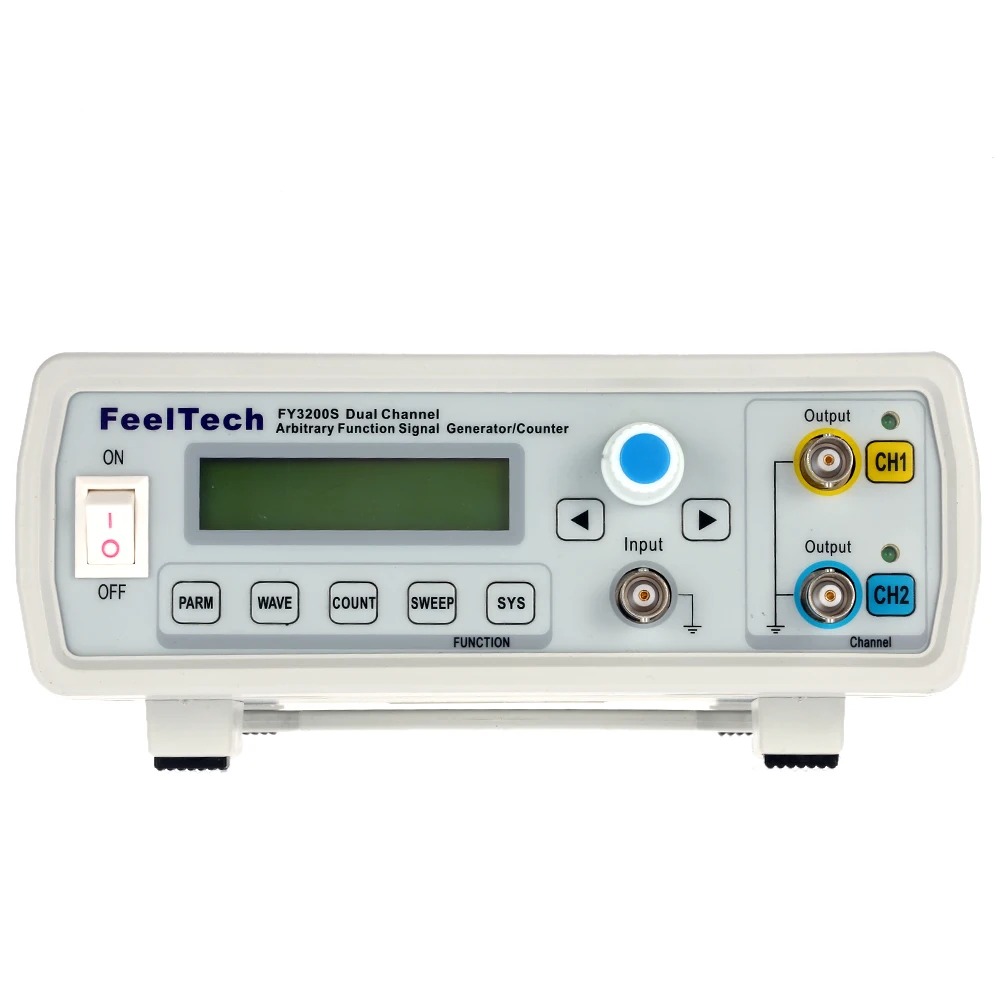
Why it’s useful
- High frequency stability
- Precise waveform generation
- Digital control of frequency and amplitude
- Suitable for advanced electronics testing
DDS generators are commonly used in electronics labs and embedded development projects.
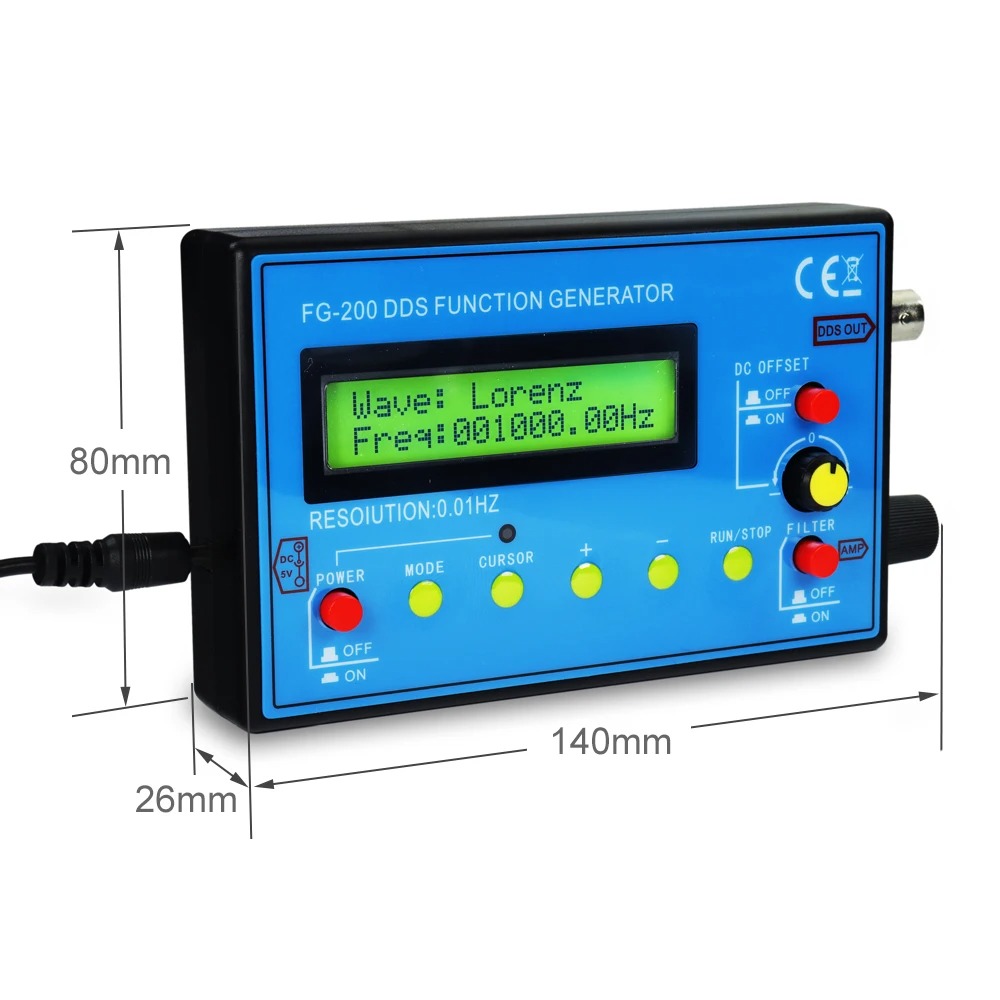
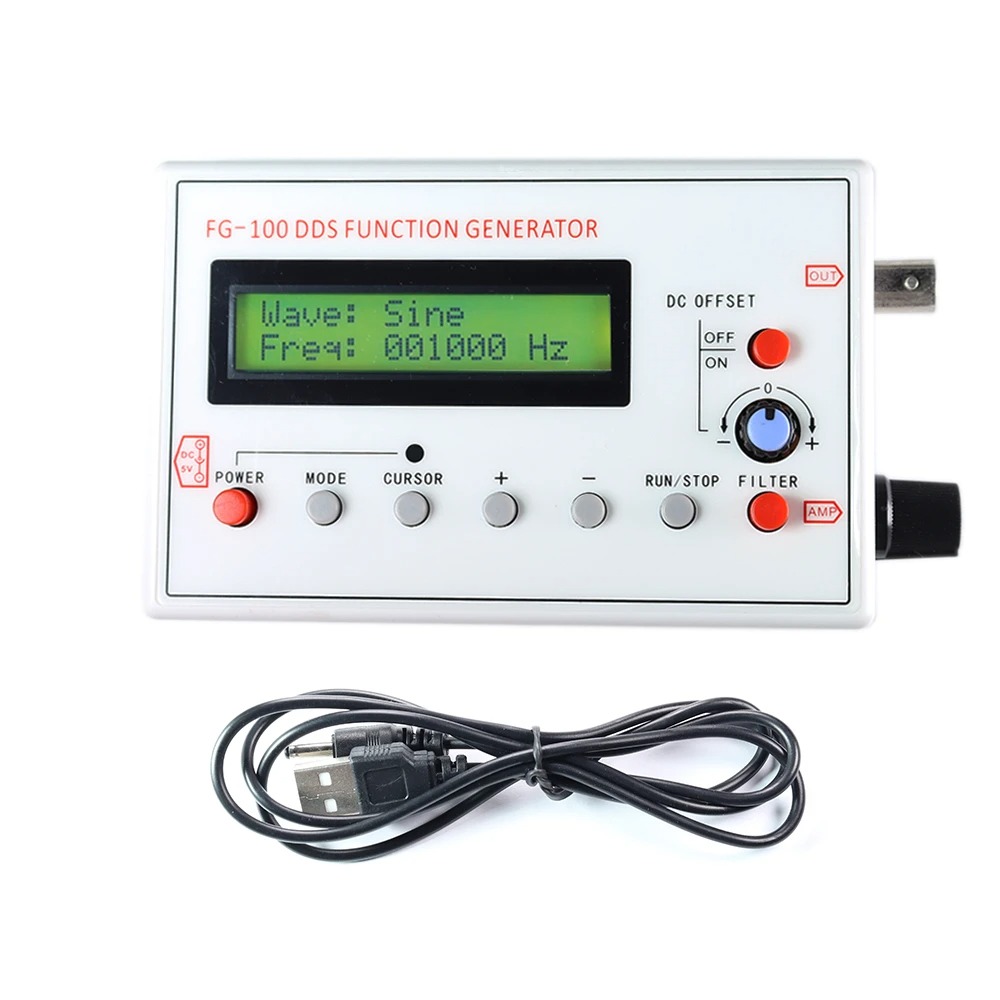
4. Mini Portable Function Generator
Portable signal generators are compact and easy to use for quick testing.
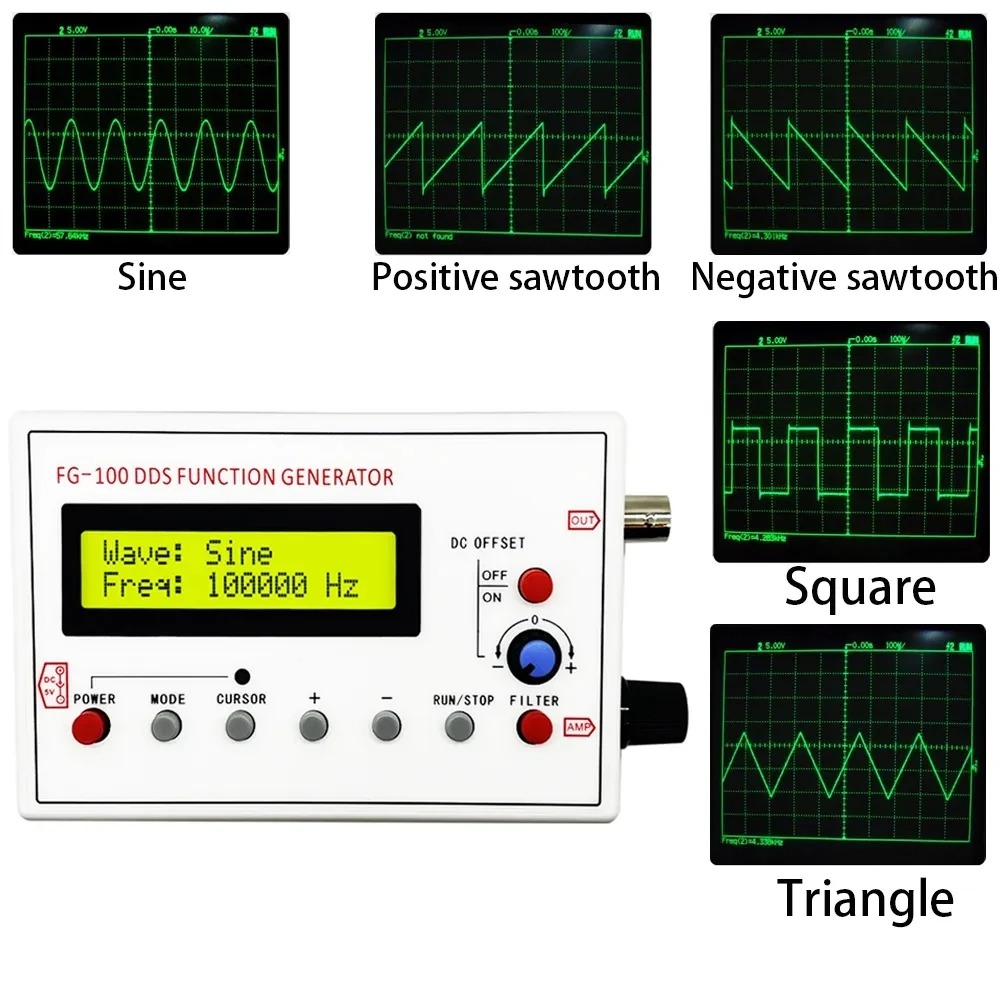
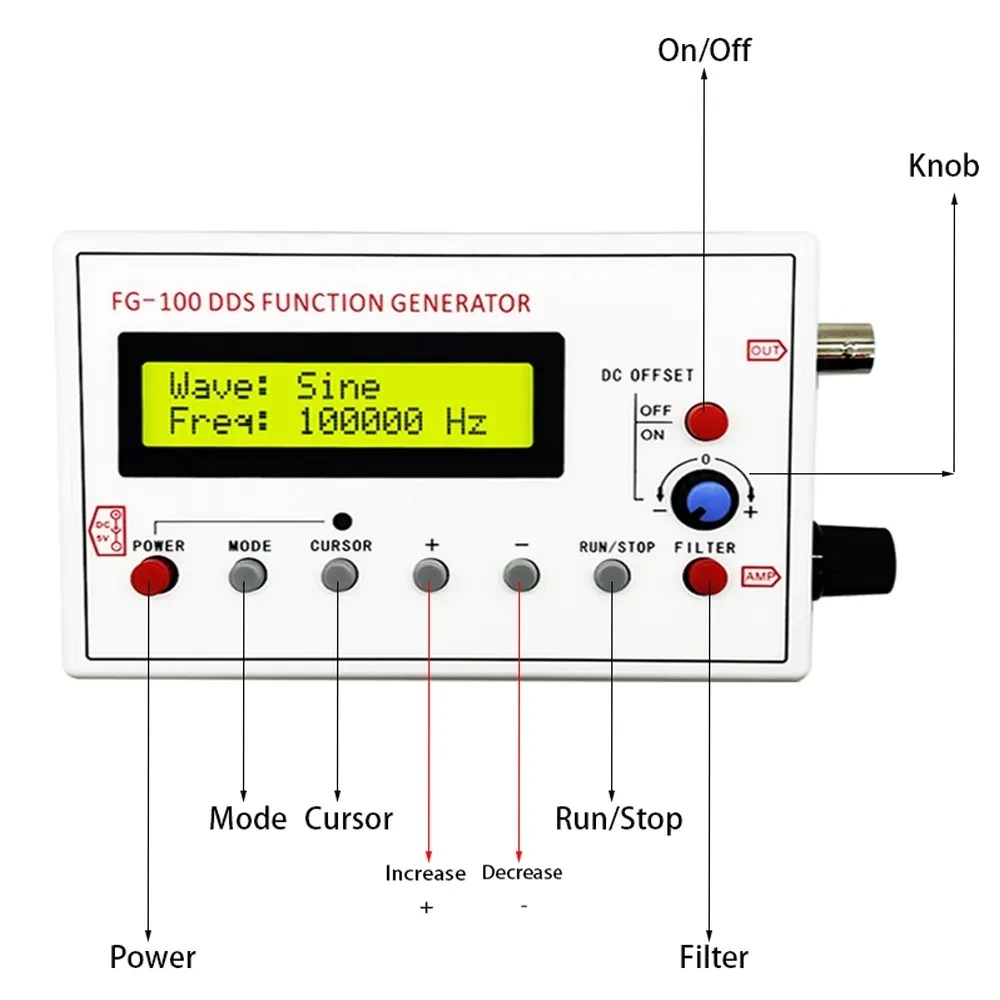
Why it’s useful
- Lightweight and portable
- Suitable for quick circuit testing
- Simple interface for waveform generation
- Useful for hobby electronics labs
These small generators are perfect for students and DIY electronics hobbyists.
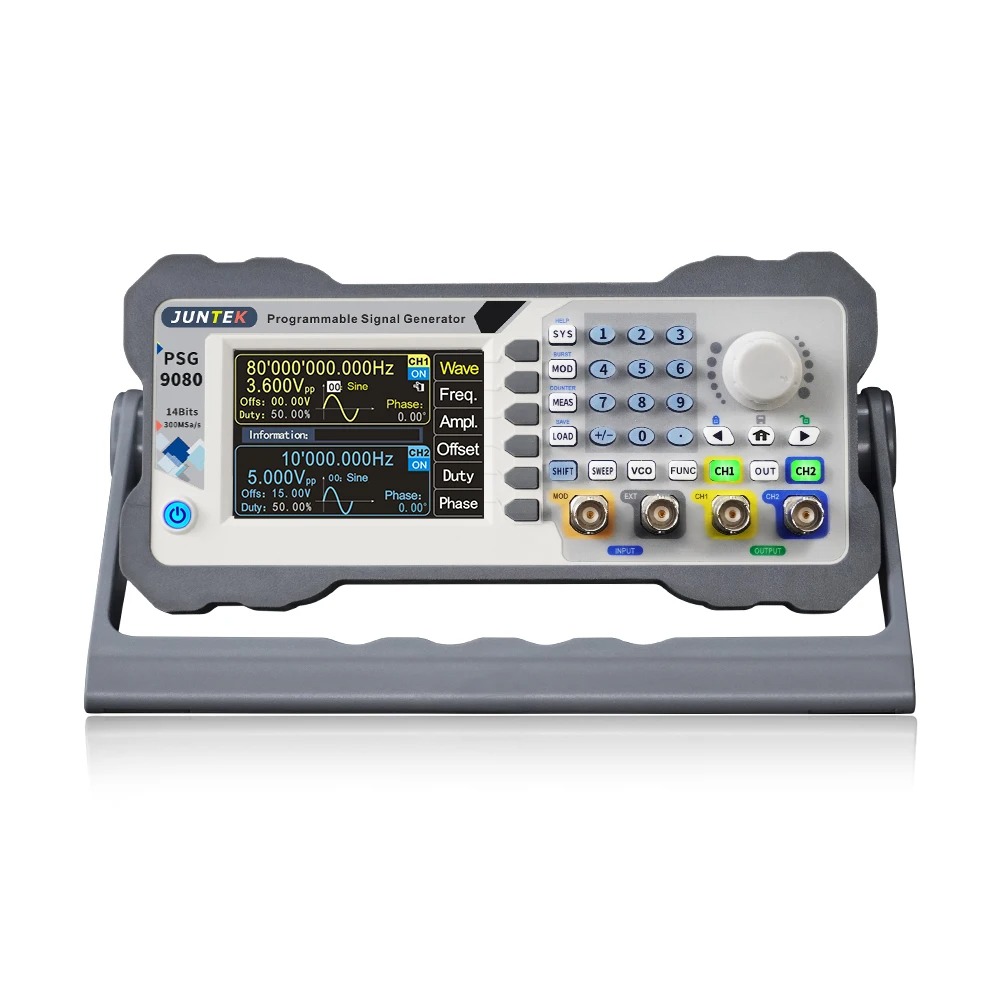
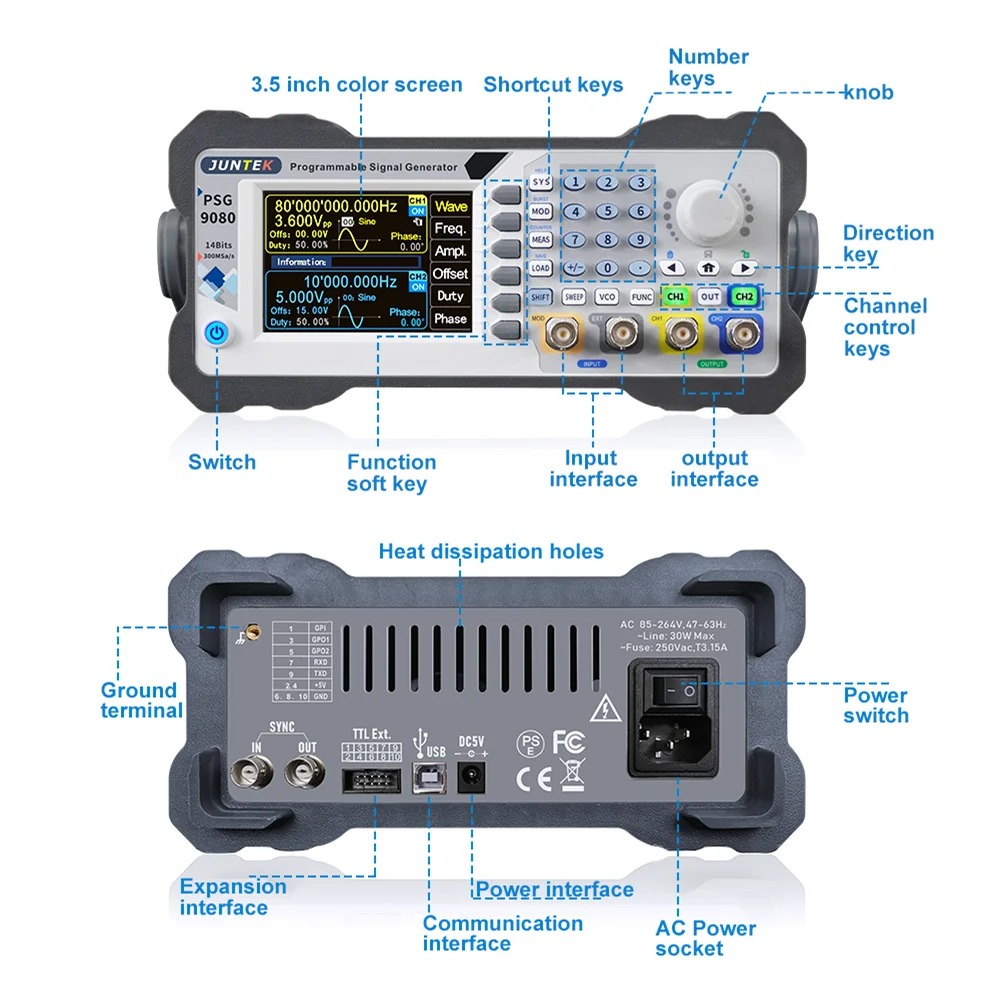
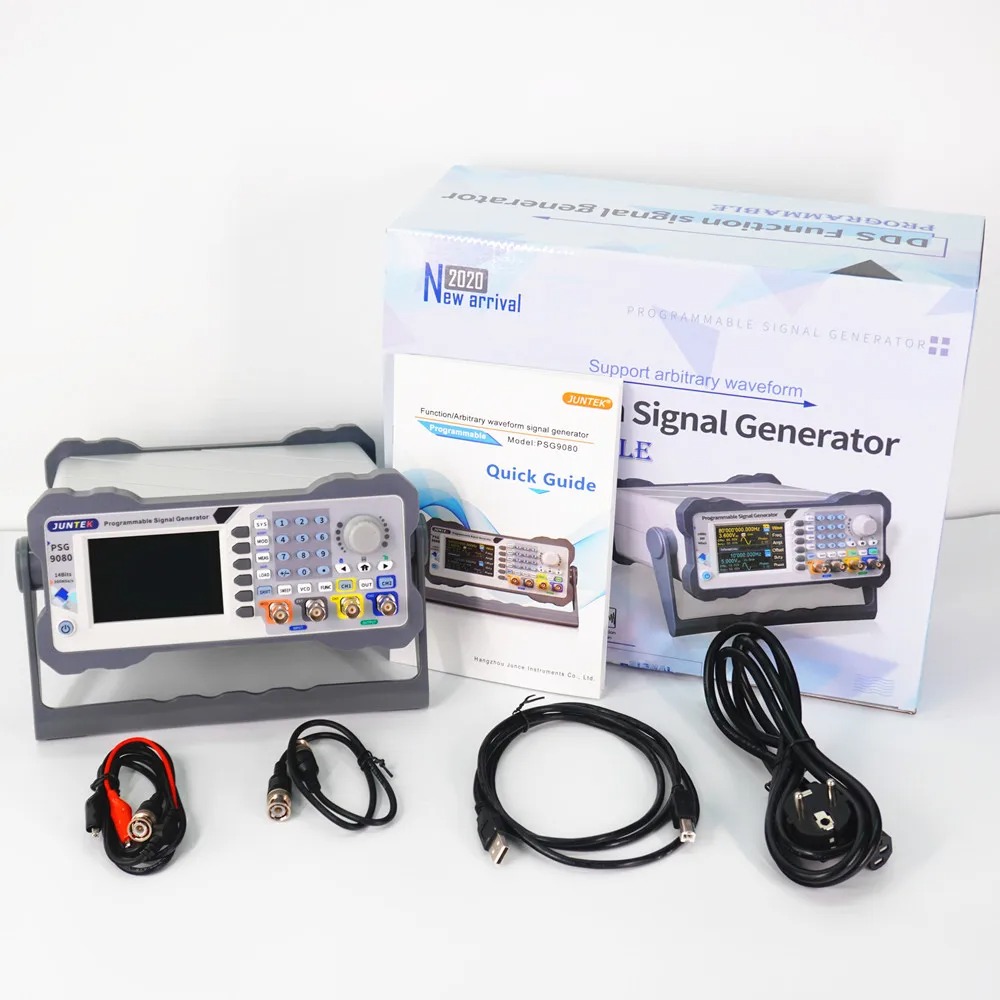
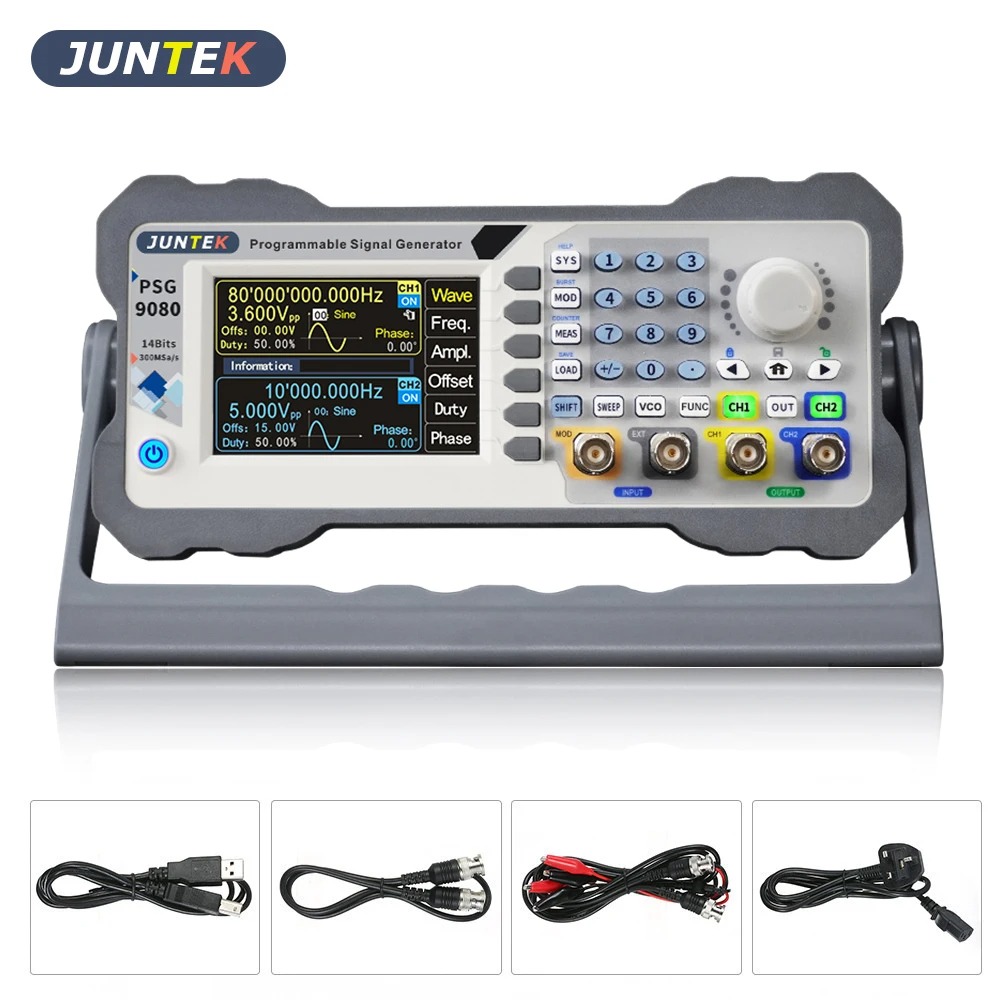
5. Multi-Waveform Digital Signal Generator
More advanced digital generators support multiple waveform outputs.
Why it’s useful
- Generate sine, square, triangle, and pulse signals
- Adjustable frequency and amplitude
- Useful for communication circuit testing
- Ideal for electronics research and experimentation
These generators are often used for signal analysis and advanced circuit debugging.
What You Can Learn Using a Signal Generator
Signal generators are extremely useful learning tools for electronics.
Circuit Testing
Apply test signals to evaluate circuit response.
Amplifier Testing
Check gain and distortion of audio amplifiers.
Filter Analysis
Observe how filters respond to different frequencies.
Embedded System Debugging
Test signal processing circuits in microcontroller projects.
Who Should Use Signal Generators?
Signal generators are useful for:
- electronics hobbyists
- Arduino developers
- engineering students
- embedded systems engineers
- DIY electronics experimenters
They are essential tools for anyone building or testing analog and digital circuits.
Conclusion
Signal generators are powerful tools that allow electronics enthusiasts to generate controlled test signals and analyze circuit behavior. With many affordable options available today, even beginner hobbyists can easily add a signal generator to their electronics lab.
Whether you are testing amplifiers, experimenting with filters, or learning analog electronics, a signal generator can significantly improve your ability to understand and debug circuits.
Liked this article? Subscribe to our newsletter:
or,
Visit LabProjectsBD.com for more inspiring projects and tutorials.
Thank you!



0 Comments