When working with microcontrollers such as Arduino, STM32, ESP32, or PIC, debugging communication signals is often one of the most challenging tasks. Many digital communication protocols like SPI, I2C, UART, and CAN operate at high speed, making it difficult to diagnose problems using only a multimeter or even an oscilloscope.
This is where a logic analyzer becomes extremely useful. A logic analyzer captures and displays digital signals from multiple channels simultaneously, allowing developers to inspect timing relationships and decode communication protocols.
Fortunately, many affordable logic analyzers are available today that work perfectly for DIY electronics labs and embedded system debugging.
In this guide, we will explore some of the best budget logic analyzers suitable for microcontroller development and debugging.
Table of Contents
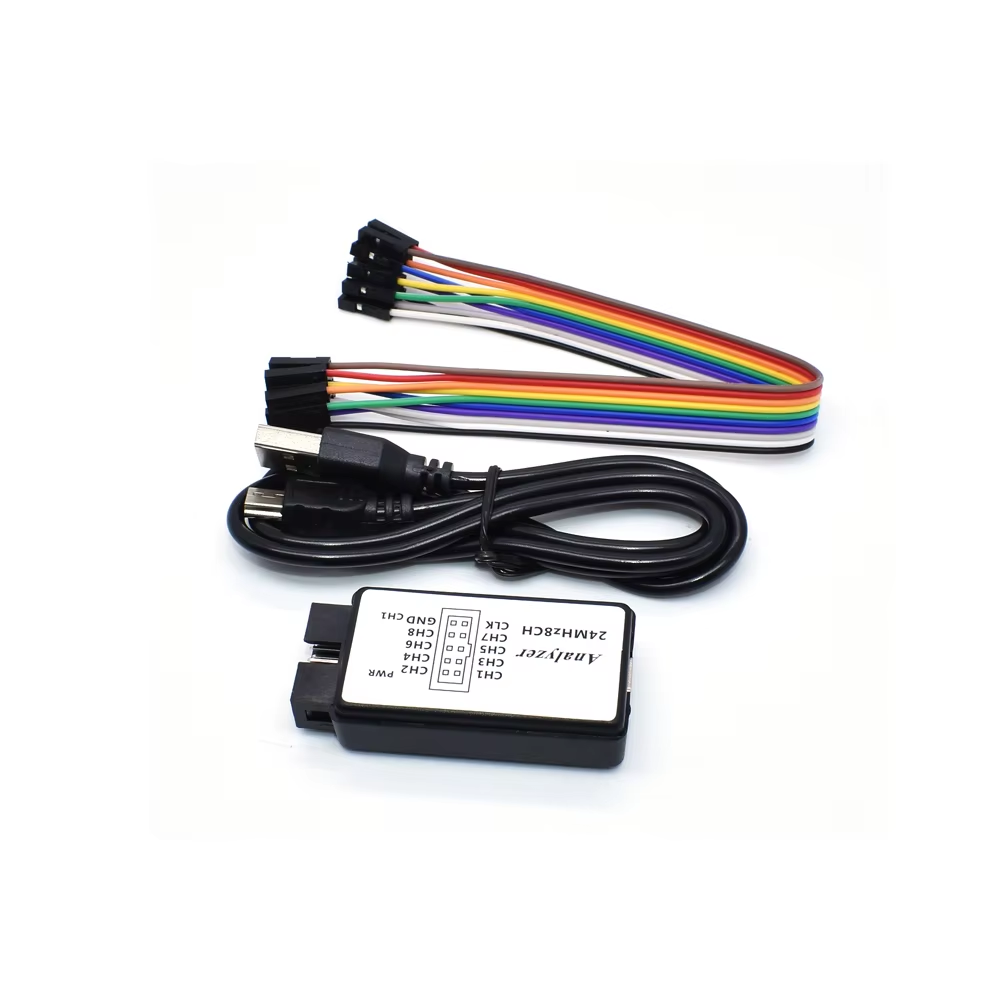
1. Saleae Compatible USB Logic Analyzer
Saleae-compatible analyzers are the most widely used low-cost logic analyzers for hobby electronics.
Why it’s useful
- Supports multiple digital channels
- Compatible with powerful logic analyzer software
- Decodes common protocols like I2C, SPI, and UART
- Extremely affordable and popular
These analyzers are widely used for Arduino, STM32, and Raspberry Pi debugging.
2. 8-Channel USB Logic Analyzer
An 8-channel logic analyzer is sufficient for most microcontroller projects.
Why it’s useful
- Capture multiple digital signals simultaneously
- Ideal for debugging communication buses
- Compact USB-powered design
- Suitable for beginners learning embedded debugging
This type of analyzer is perfect for testing SPI, UART, and GPIO signals.
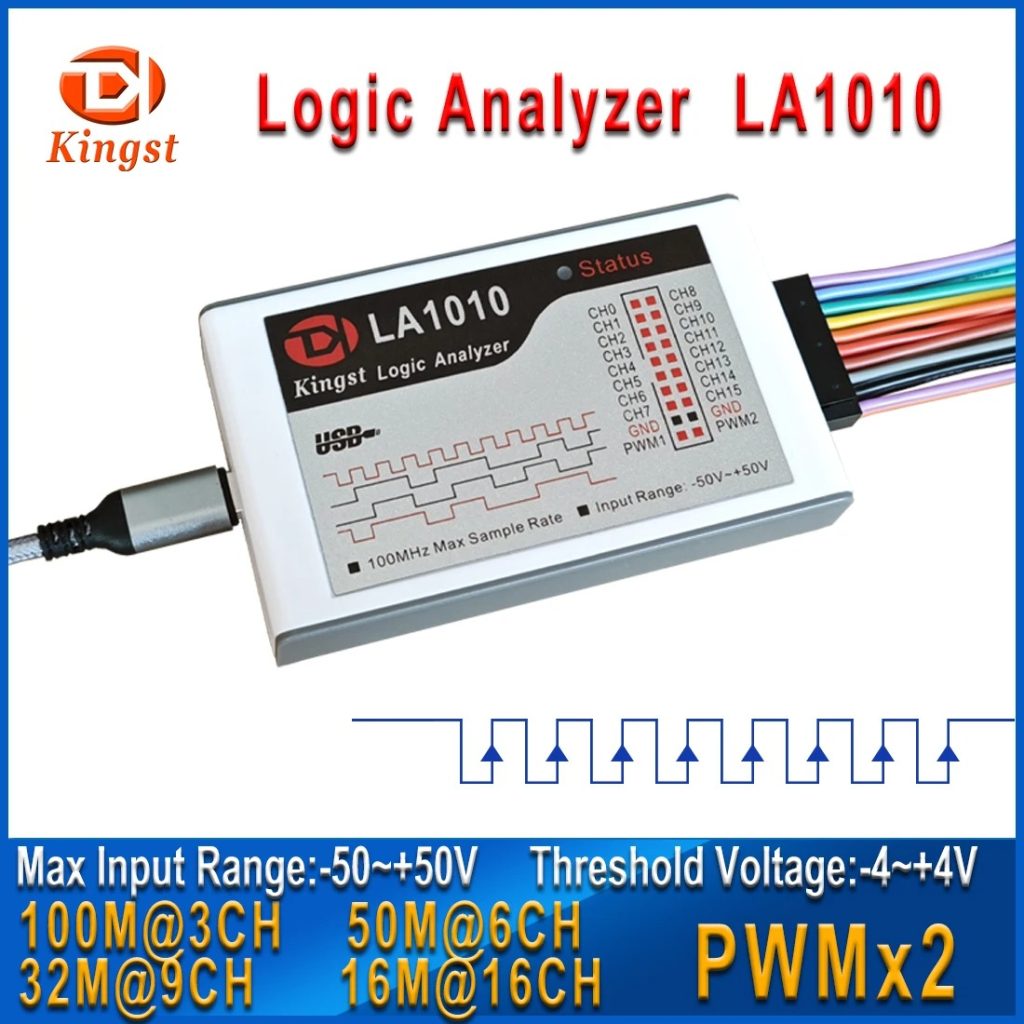
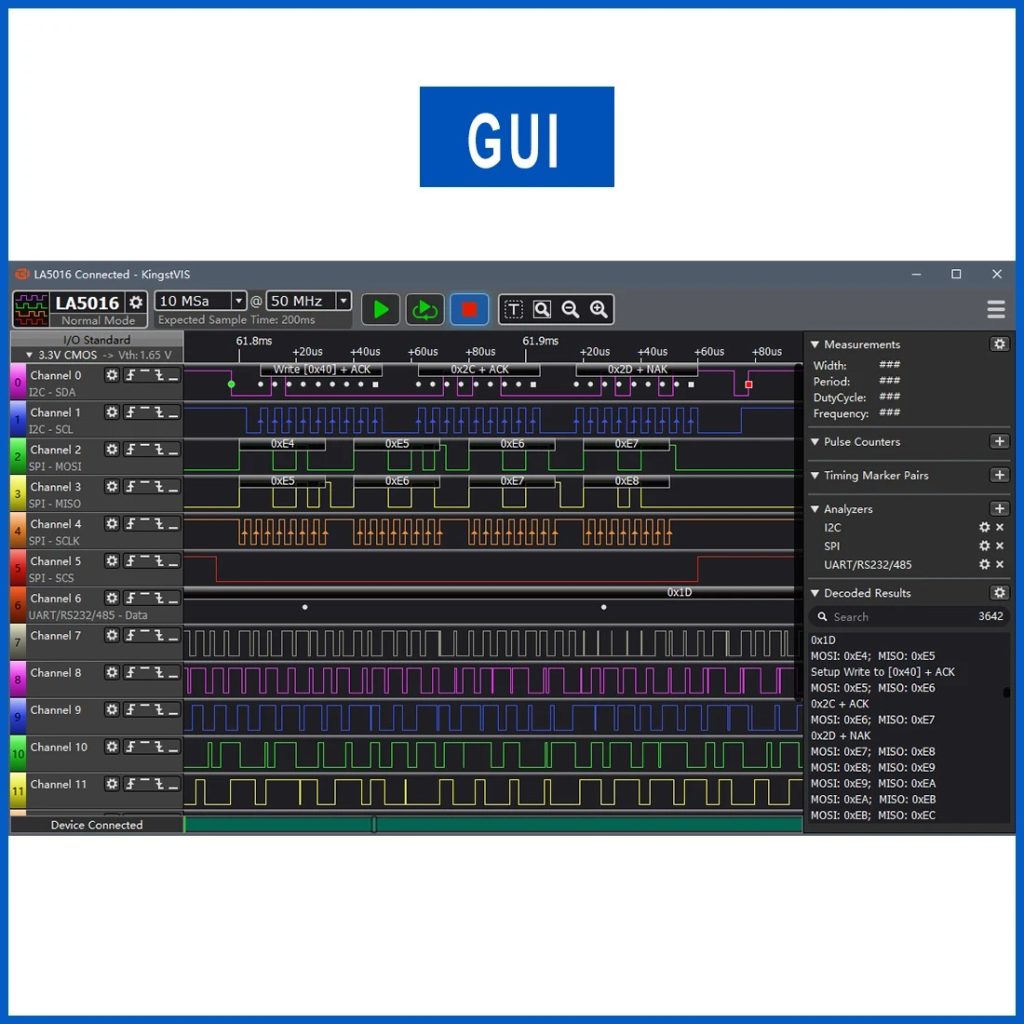
3. 16-Channel Logic Analyzer
For more complex systems, a 16-channel logic analyzer provides additional signal capture capability.
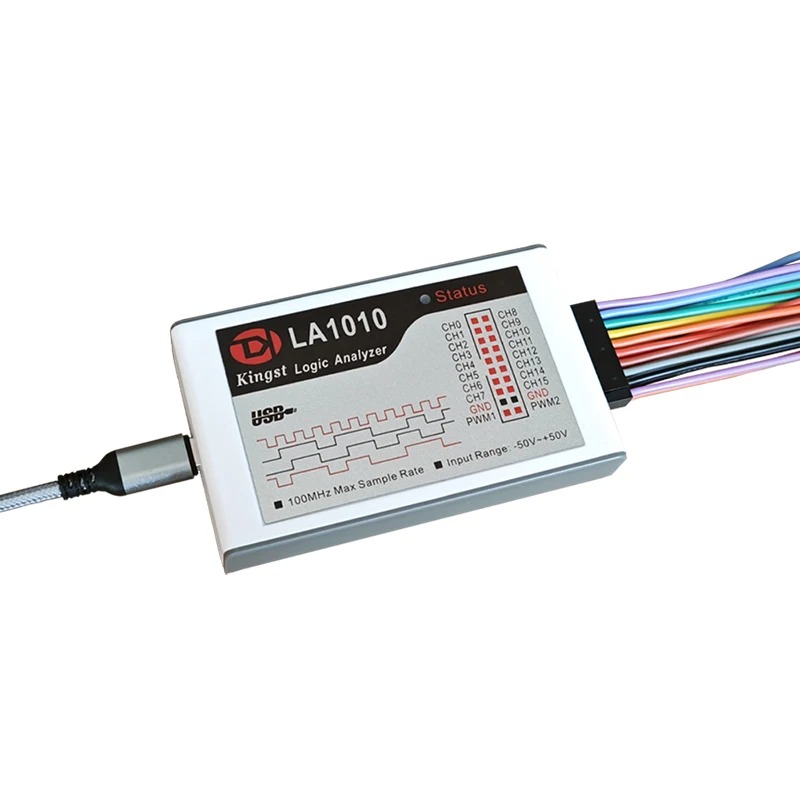
Why it’s useful
- Monitor more digital signals at once
- Useful for complex embedded systems
- Helps analyze multiple communication buses
- Better debugging flexibility
These analyzers are commonly used in advanced embedded development projects.
4. Portable Logic Analyzer with Built-in Display
Some logic analyzers include a built-in screen for portable debugging.
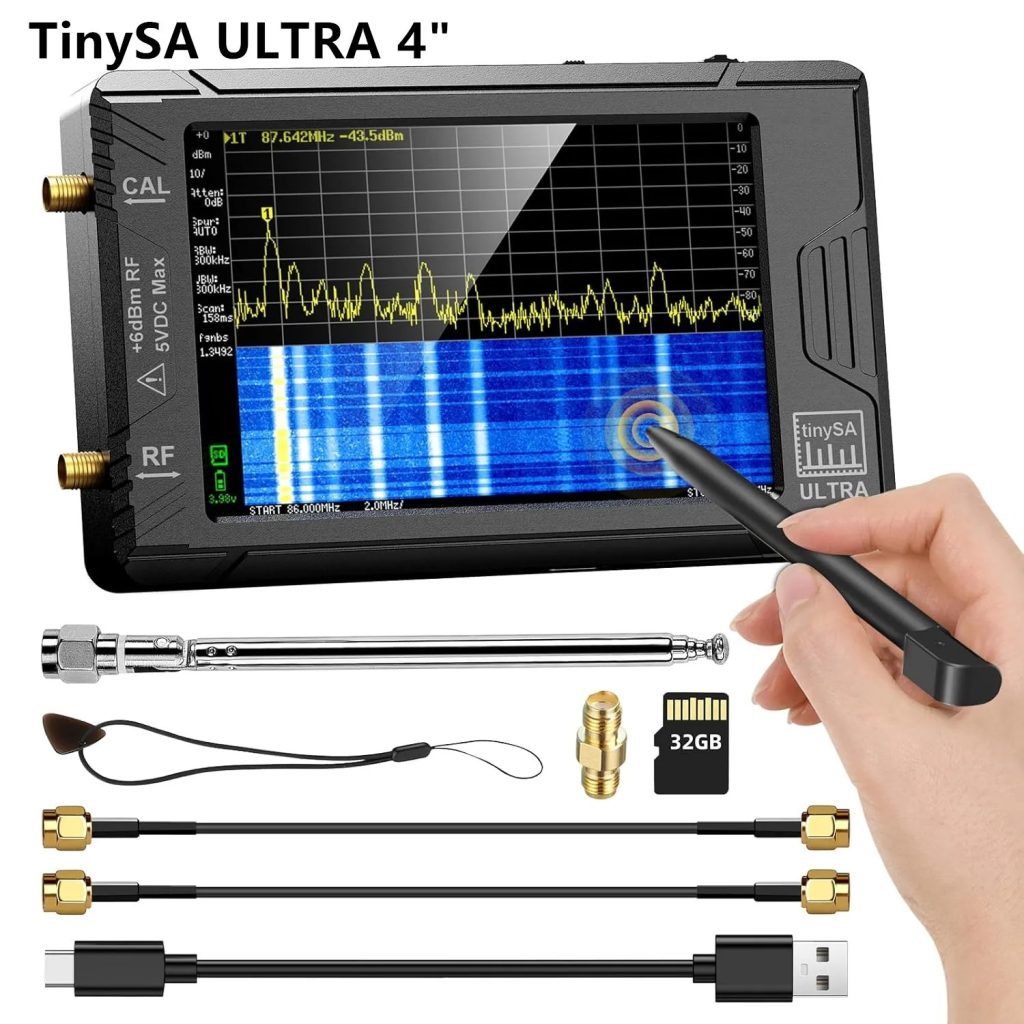
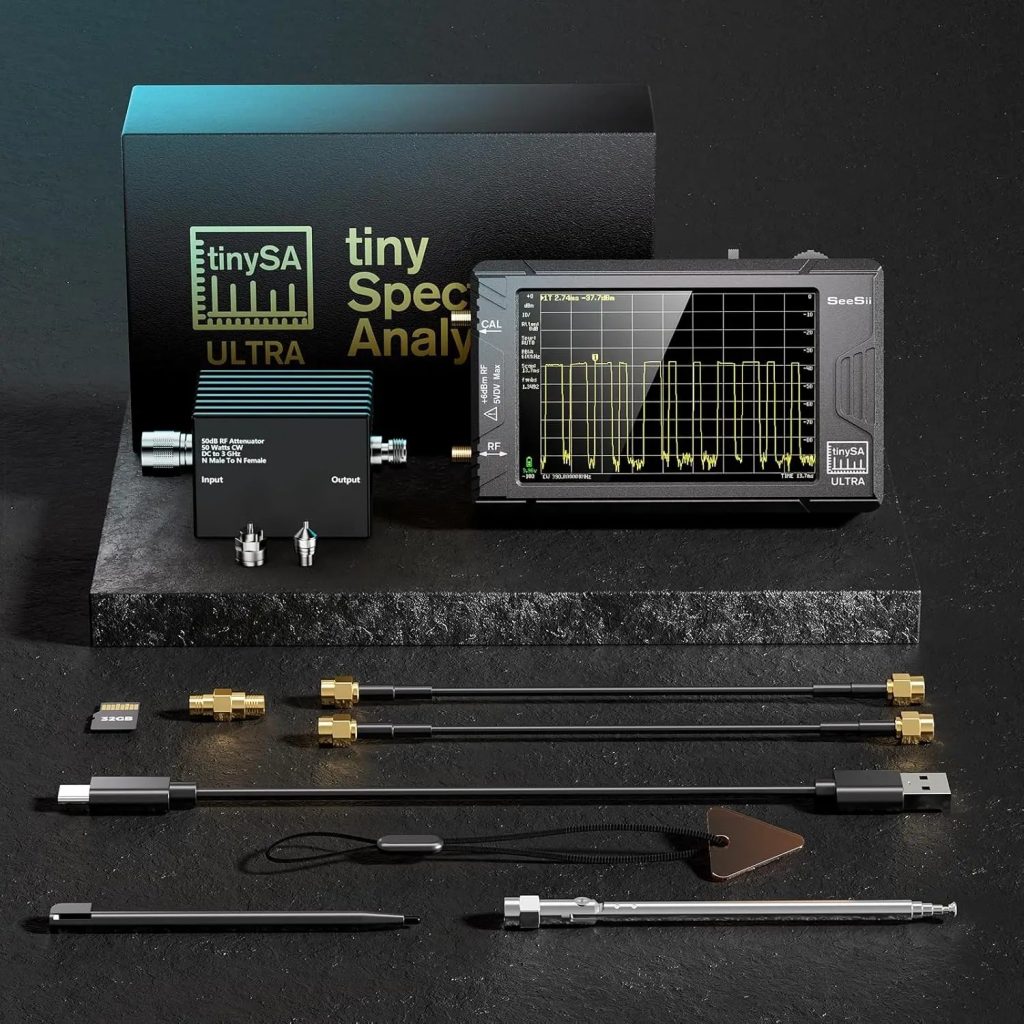
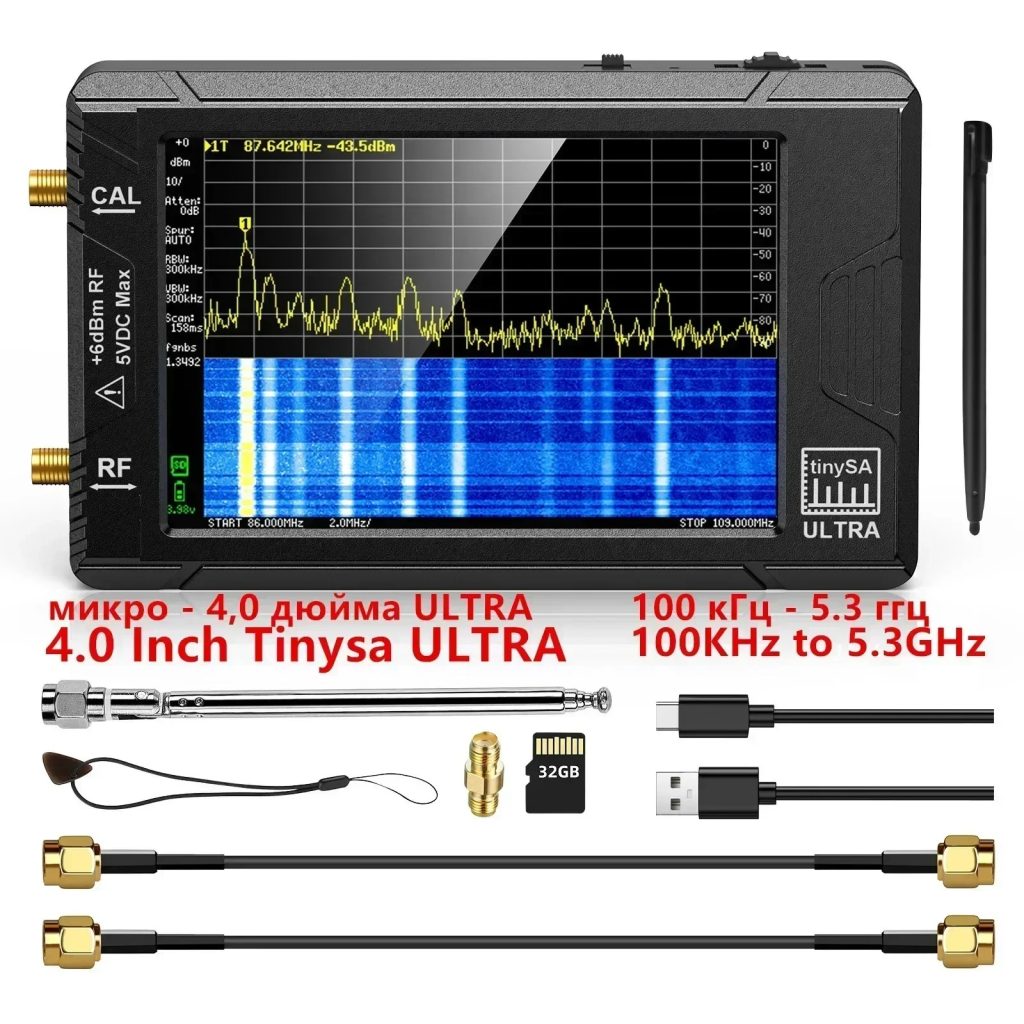
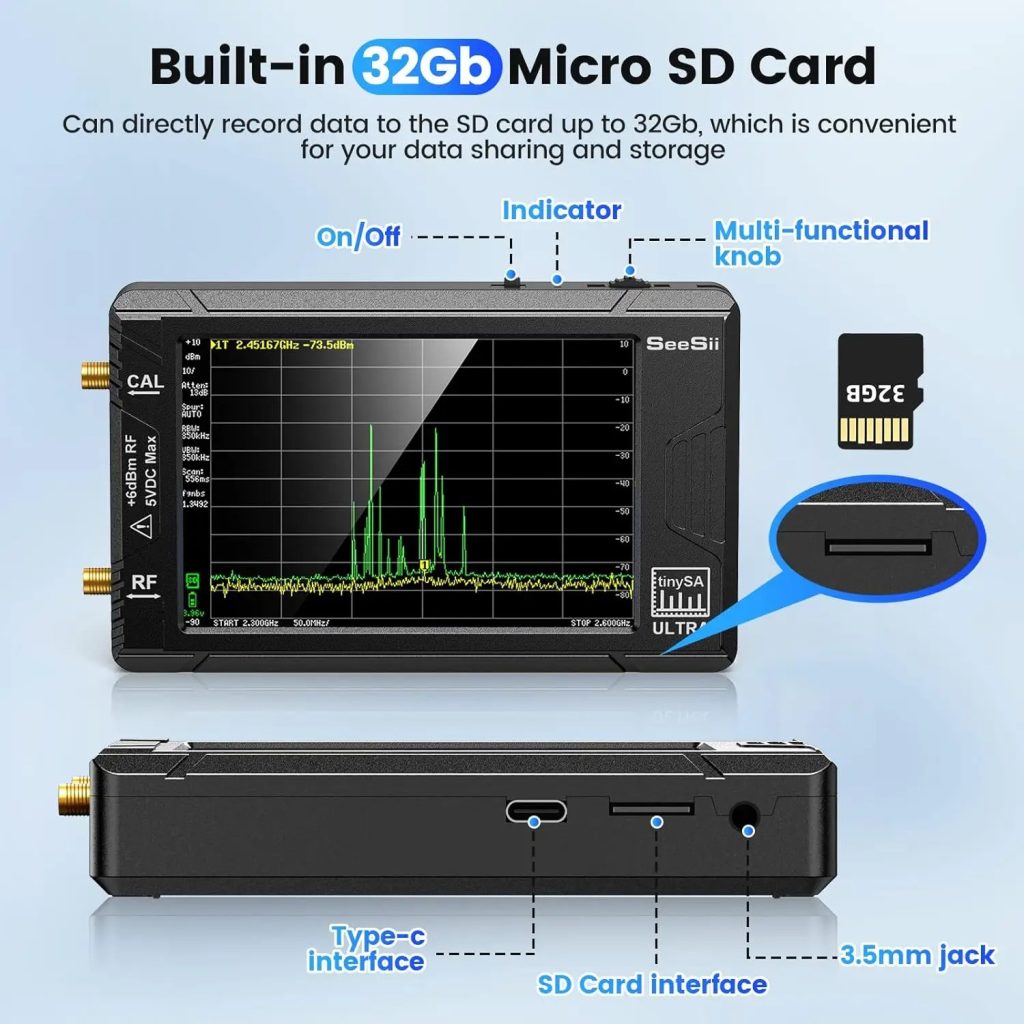
Why it’s useful
- Portable standalone operation
- No computer required
- Useful for field debugging
- Compact and convenient design
These devices are suitable for quick diagnostics and troubleshooting.
5. High-Speed Logic Analyzer for Embedded Systems
Higher performance analyzers offer faster sampling rates and better protocol decoding.
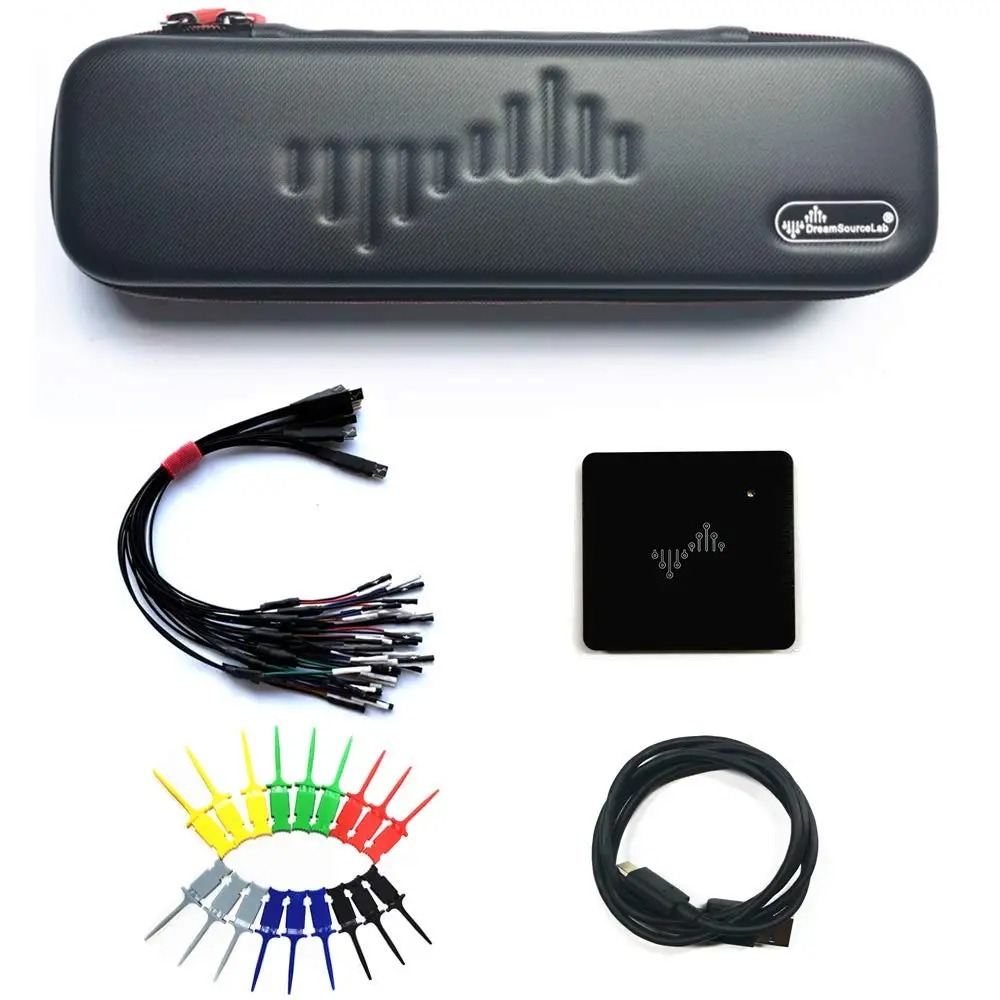
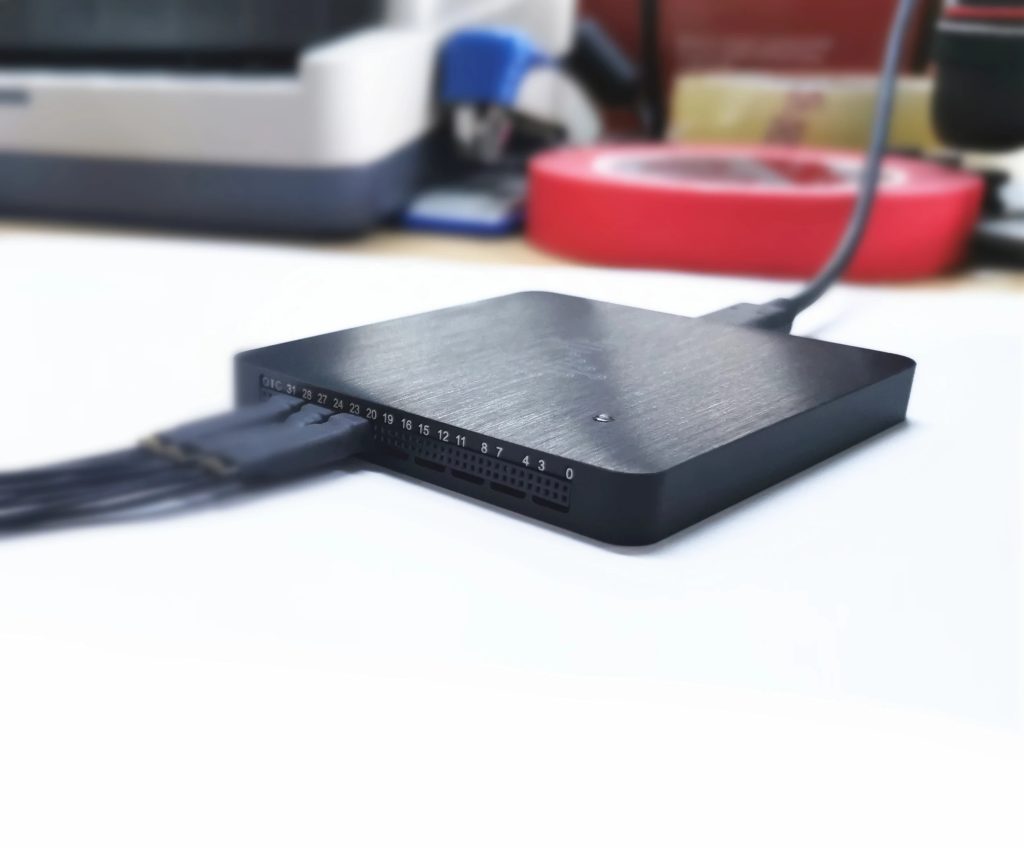
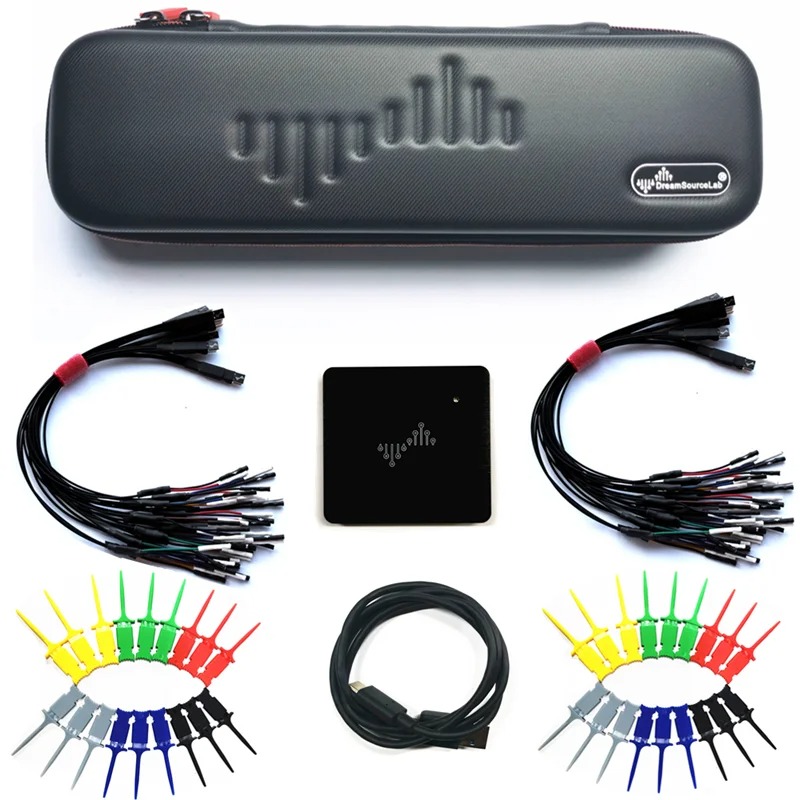
Why it’s useful
- Capture high-speed digital signals
- Advanced protocol analysis
- Suitable for professional development work
- Ideal for complex embedded projects
These analyzers are useful when working with high-speed digital communication protocols.
What You Can Debug with a Logic Analyzer
Logic analyzers are extremely useful for diagnosing digital communication problems.
UART Communication
Verify serial communication between microcontrollers and peripherals.
SPI Interface
Check timing and data transfer between sensors, displays, and controllers.
I2C Communication
Debug address errors and communication failures.
GPIO Timing
Analyze digital signals and timing relationships.
Who Should Use a Logic Analyzer?
Logic analyzers are ideal for:
- embedded system developers
- Arduino programmers
- electronics hobbyists
- robotics developers
- engineering students
They are essential tools for anyone working with digital communication protocols in microcontroller systems.
Conclusion
Logic analyzers are powerful debugging tools that allow developers to analyze digital signals and communication protocols in embedded systems. With affordable options widely available today, even hobbyists can easily add a logic analyzer to their electronics lab.
Whether you are debugging SPI sensors, analyzing UART communication, or developing embedded firmware, a logic analyzer can significantly improve your ability to diagnose and solve problems.
Liked this article? Subscribe to our newsletter:
or,
Visit LabProjectsBD.com for more inspiring projects and tutorials.
Thank you!



0 Comments