Working on electronics projects becomes significantly easier when the right tools are available on the workbench. Whether you are building Arduino circuits, designing STM32 boards, repairing PCBs, or experimenting with sensors, a few essential tools can save time and prevent mistakes.
Many beginners start electronics with only a soldering iron and a multimeter. However, as projects become more complex, additional tools become extremely useful for debugging, soldering, testing, and repairing circuits.
In this article, we will explore some of the most useful tools every electronics hobbyist, student, or professional should consider adding to their workspace.
Table of Contents
1. Digital Desktop Multimeters
A digital desktop multimeter is one of the most important tools in electronics. It allows measurement of voltage, current, resistance, and continuity in circuits.
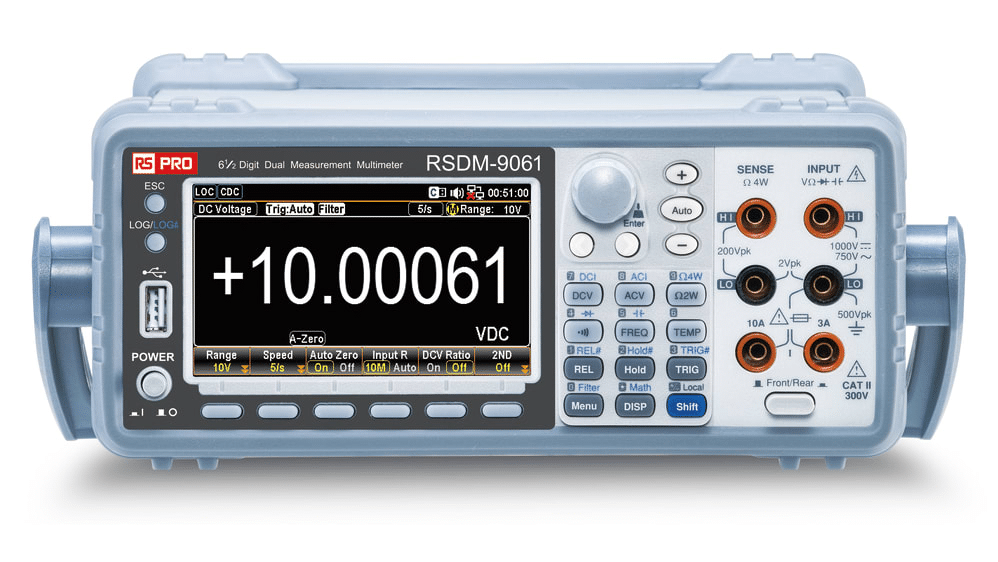
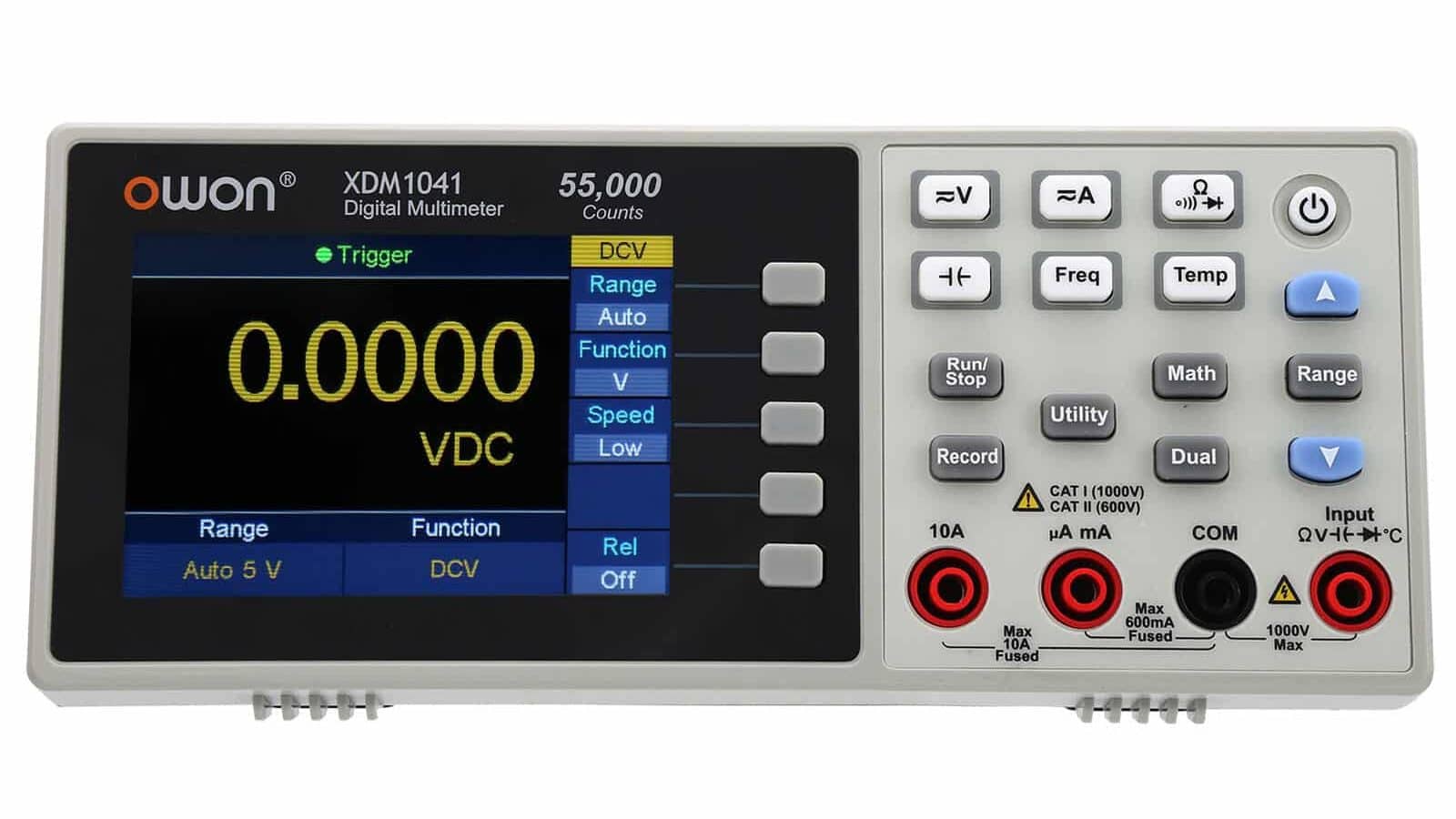
This tool is essential for troubleshooting electronic circuits and verifying that power supplies and components are working correctly.
Typical uses include:
- Checking power supply voltage
- Measuring resistor values
- Testing diodes and transistors
- Detecting short circuits
- Continuity testing in PCB tracks
Even an affordable multimeter can perform most measurements required for DIY electronics projects.
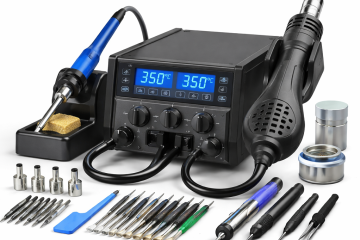
2. Temperature Controlled Soldering Station
A temperature-controlled soldering station yields much better results than a simple soldering iron. The ability to control temperature allows safe soldering of sensitive components and prevents PCB damage.
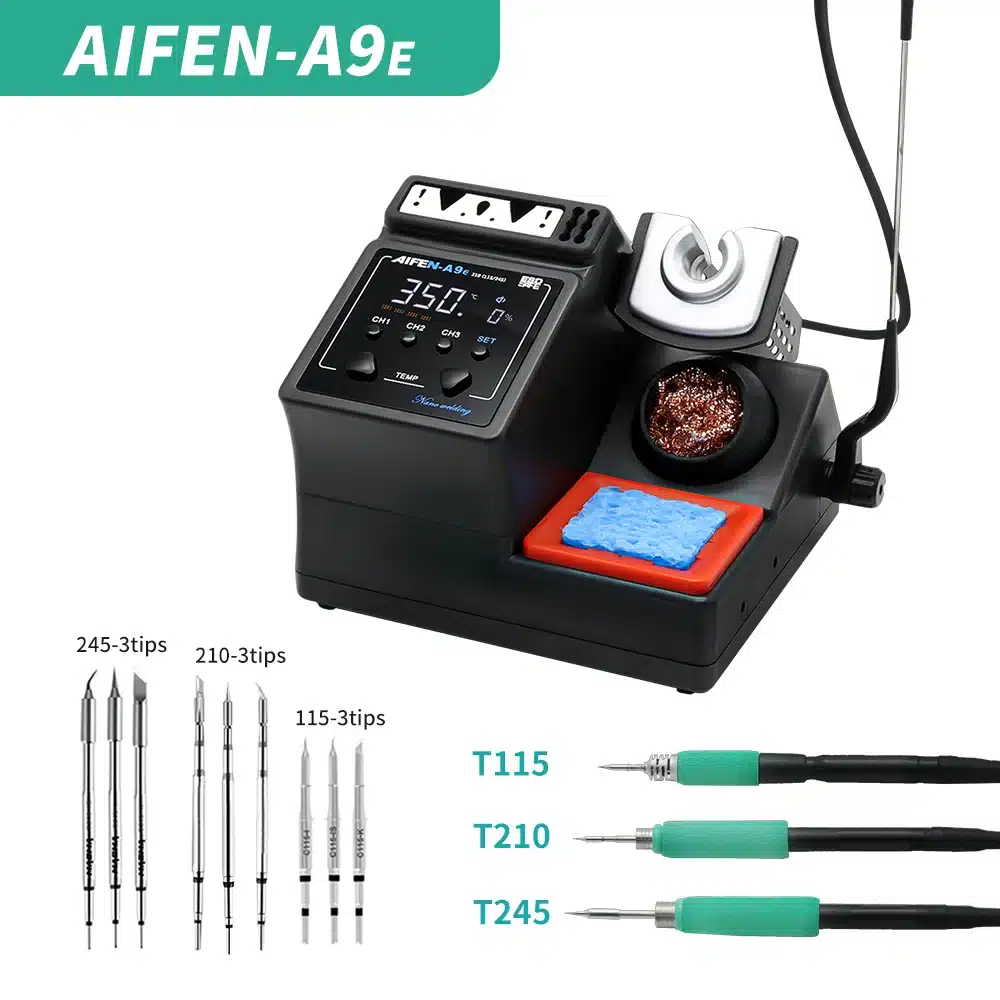
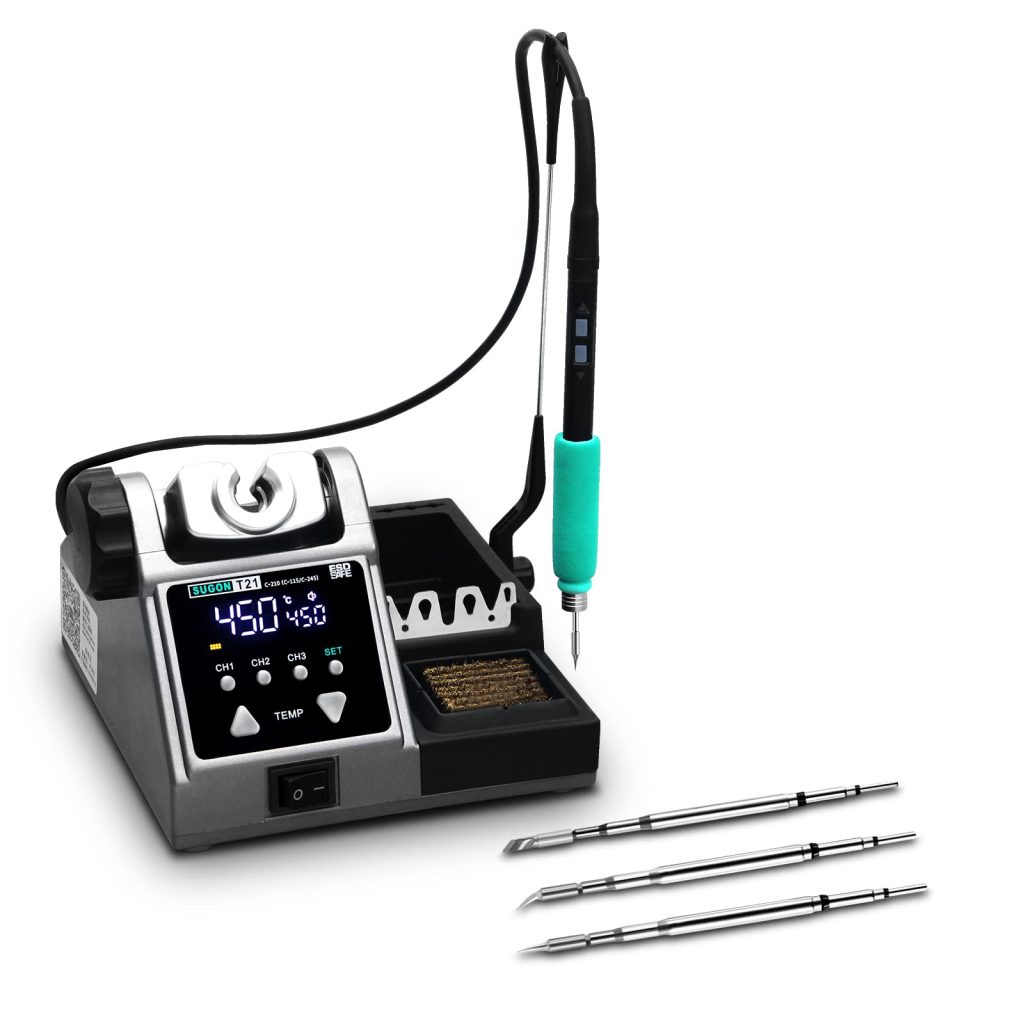
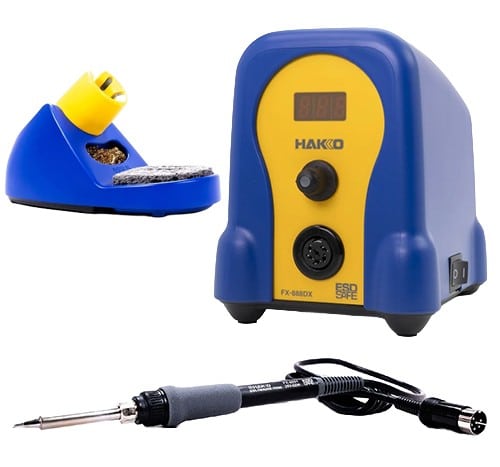
These stations typically include a soldering iron, an adjustable temperature controller, and a stand.
Advantages include:
- Stable soldering temperature
- Better solder joint quality
- Reduced the risk of overheating components
- Suitable for both through-hole and SMD soldering
For regular electronics work, a soldering station is one of the best upgrades for a workbench.
3. Hot Air Rework Station
A hot-air rework station is extremely useful for working with surface-mount components (SMDs). It uses controlled hot air to melt solder and remove or install electronic components.
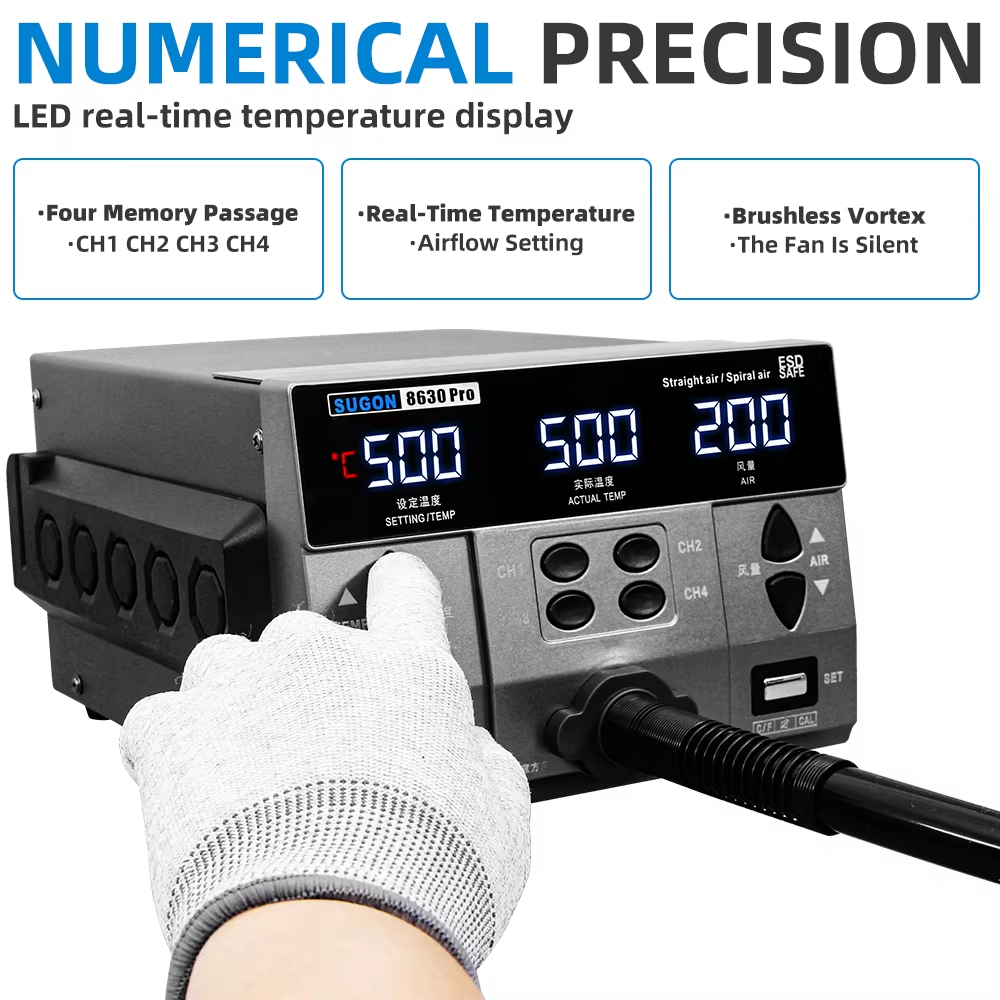
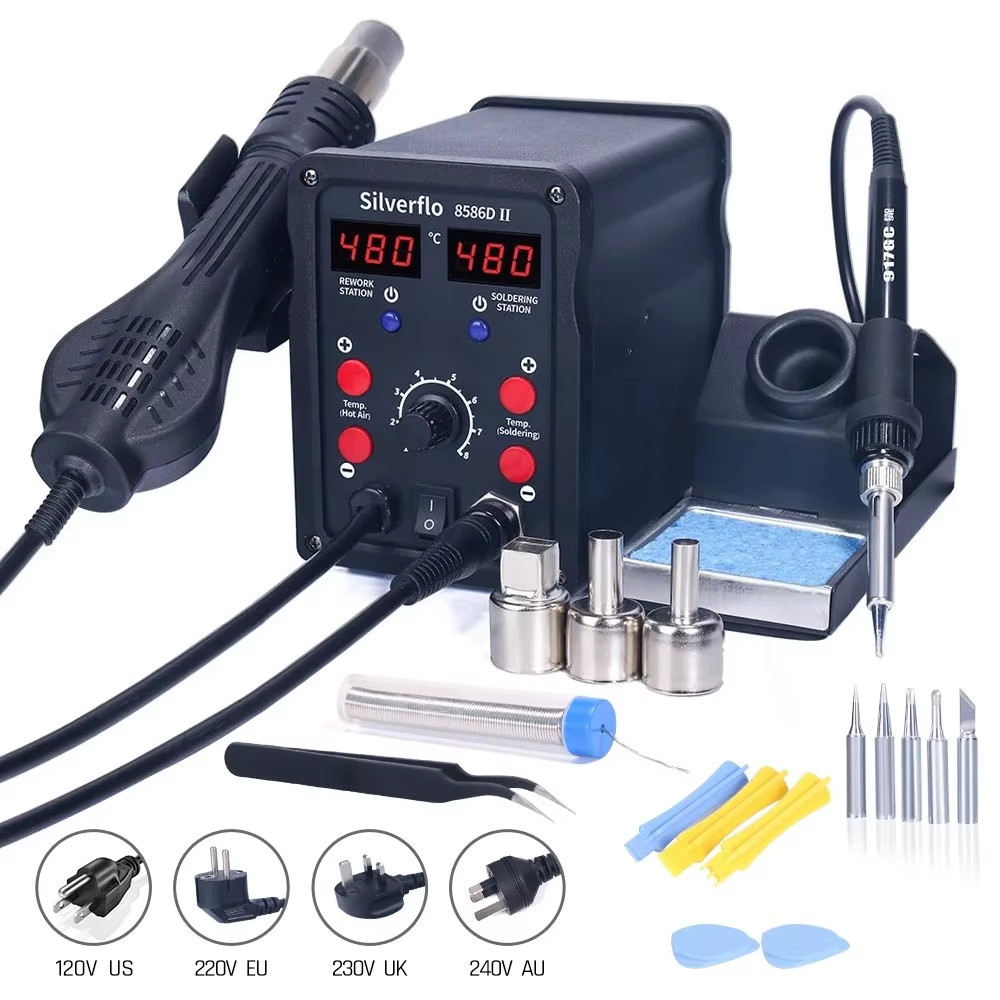
This tool is especially useful when repairing PCBs or replacing integrated circuits.
Common uses include:
- Removing SMD ICs
- Replacing damaged chips
- Reworking QFN or QFP packages
- Removing solder bridges
For anyone working with modern electronics, a hot air station becomes an essential tool.
4. USB Microscope
Modern electronics often involve very small components, making visual inspection difficult. A USB microscope allows magnified viewing of PCB solder joints and tiny components.
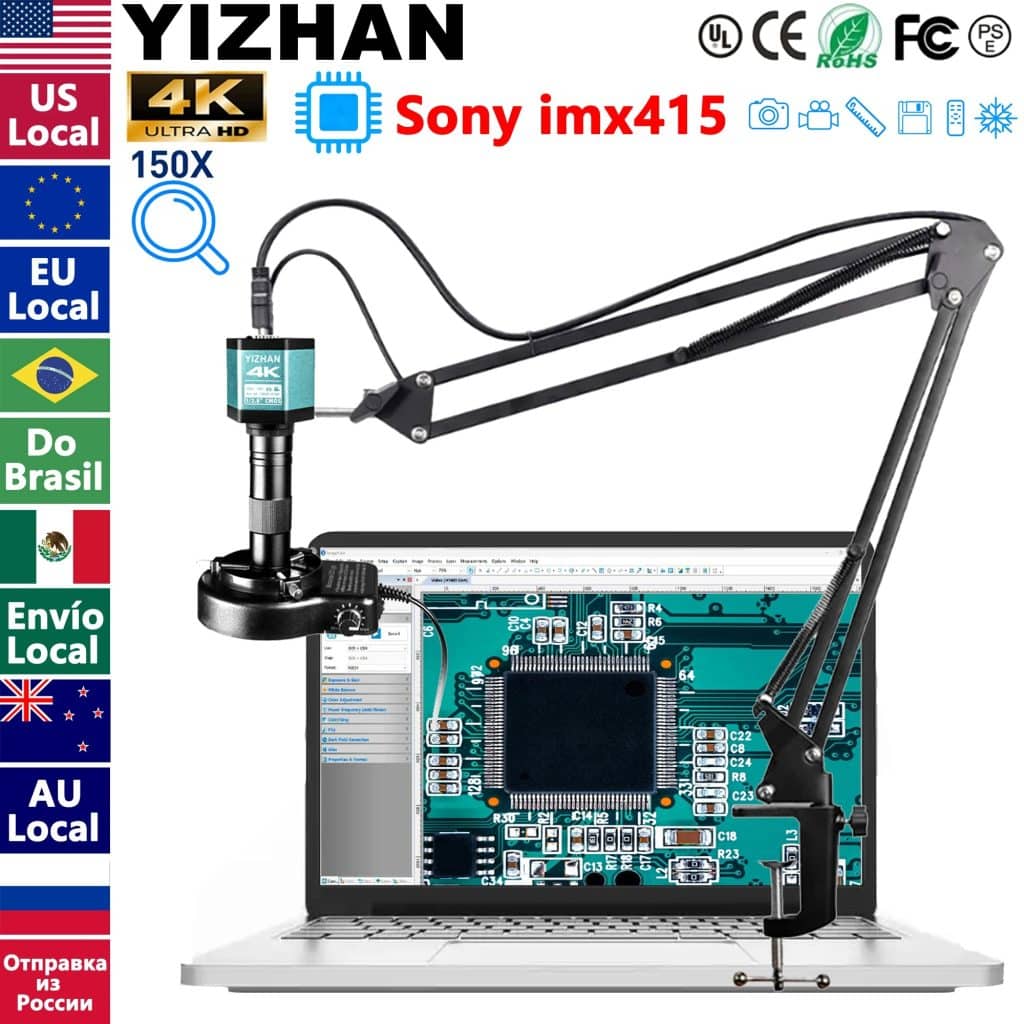
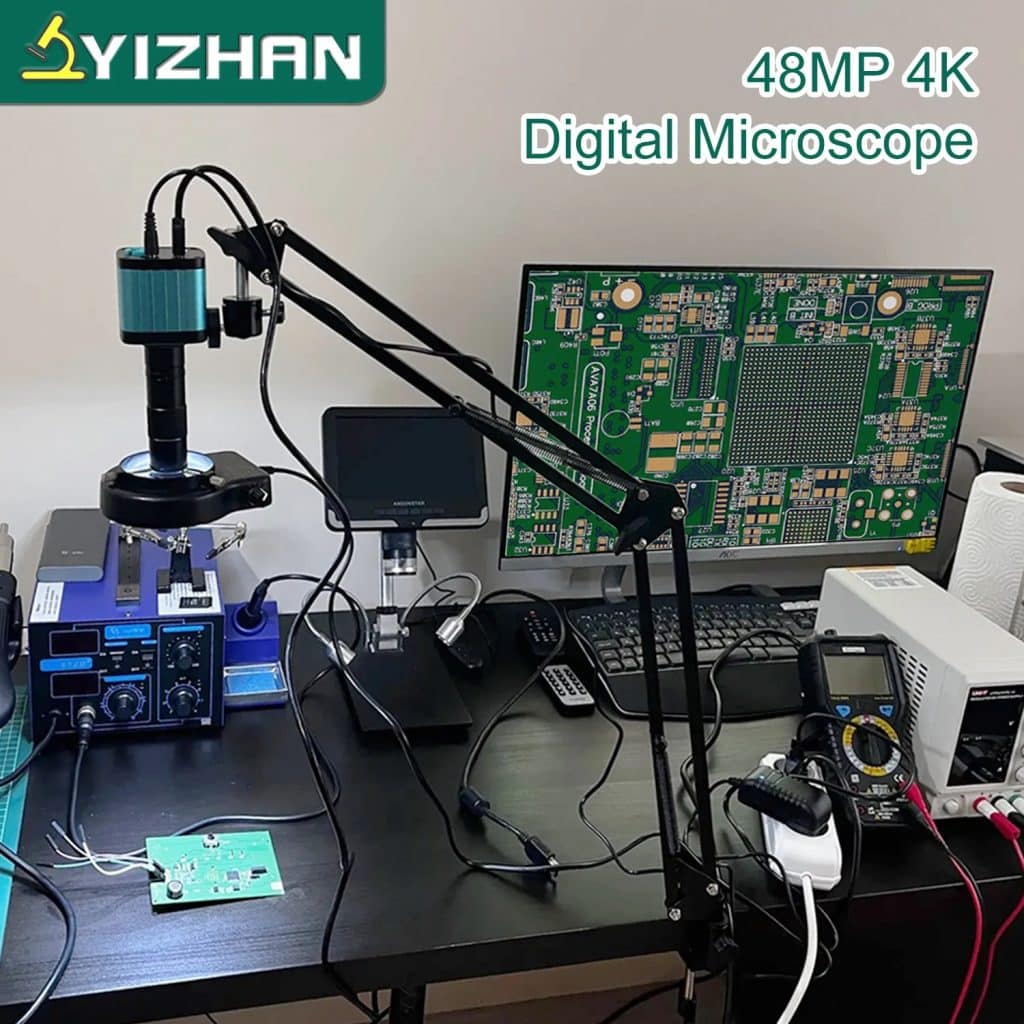
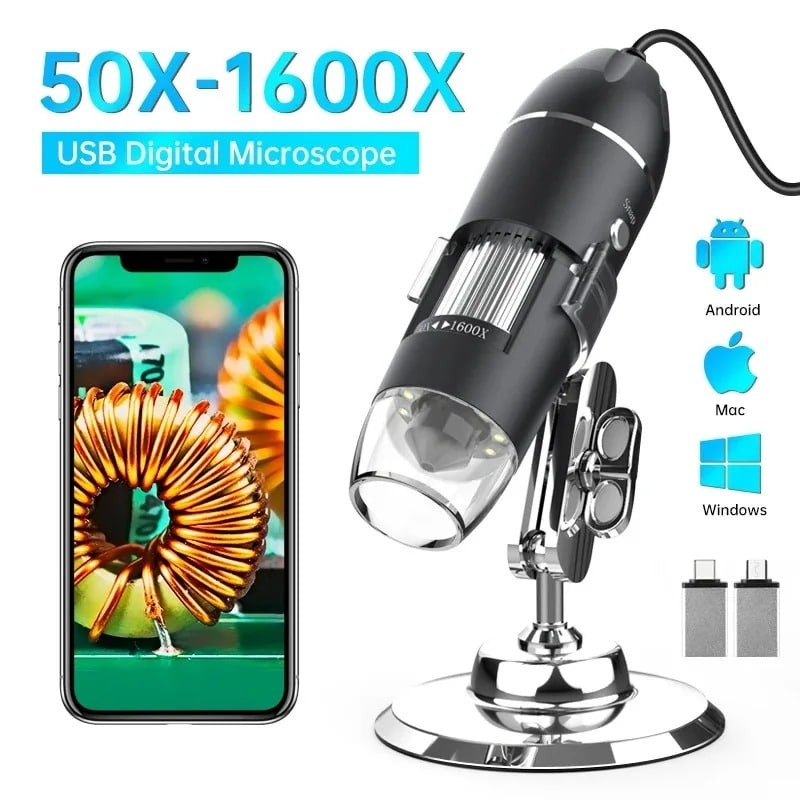
The microscope connects to a computer and displays the image on screen, allowing precise inspection during soldering or troubleshooting.
Typical applications include:
- Inspecting SMD solder joints
- Detecting microscopic solder bridges
- PCB repair work
- Micro-soldering tasks
This tool is very helpful when working with high-density PCBs.
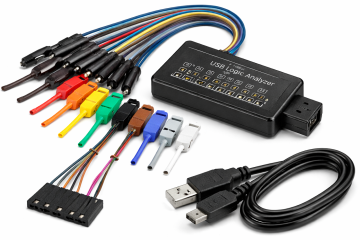
5. Logic Analyzer
A logic analyzer is a powerful debugging tool for digital electronics and embedded systems. It captures digital signals and allows detailed analysis of communication protocols.
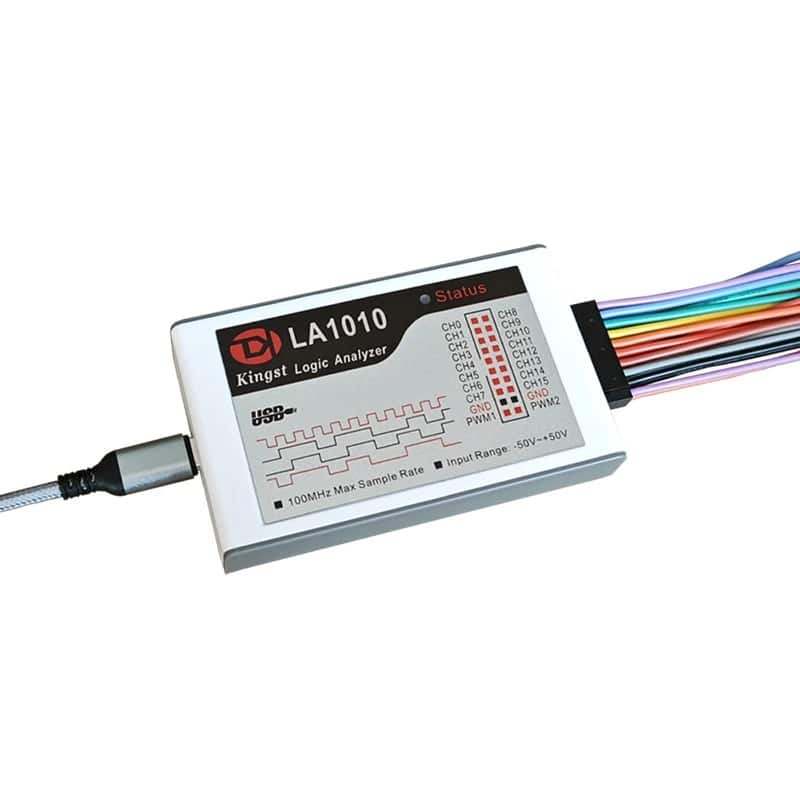
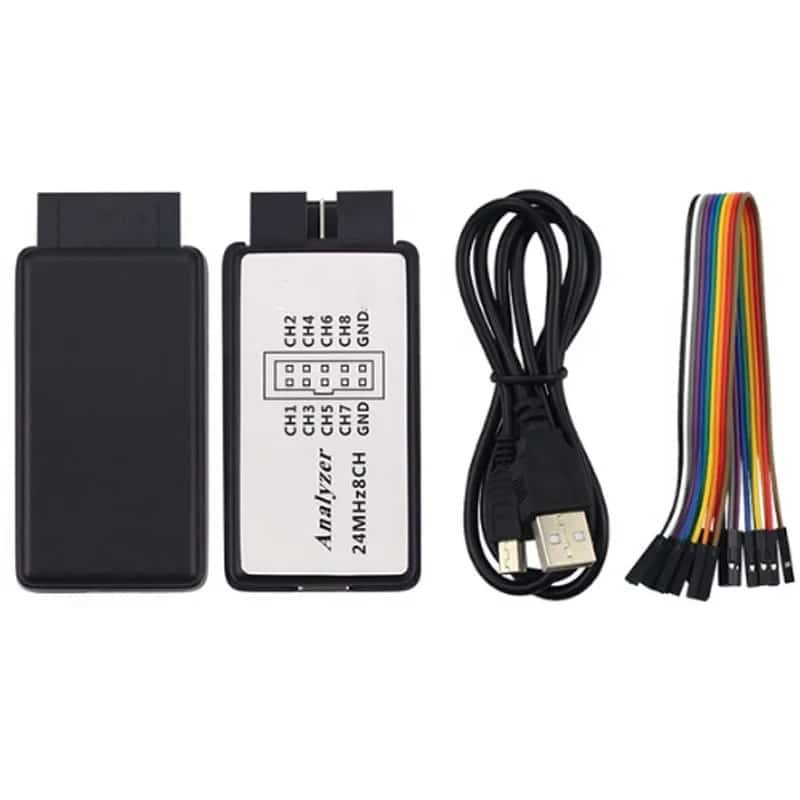
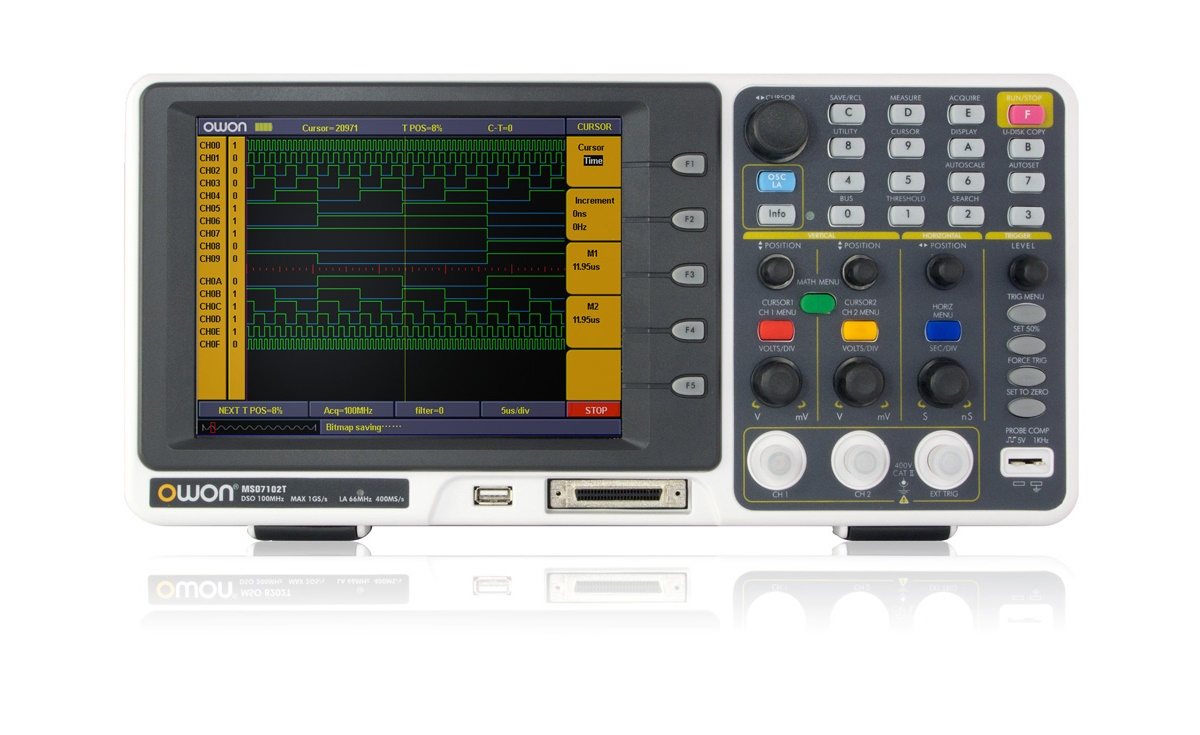
Engineers frequently use logic analyzers when working with microcontrollers.
It is commonly used for:
- Debugging UART communication
- Analyzing SPI signals
- Monitoring I2C communication
- Studying timing relationships between digital signals
For Arduino, STM32, and embedded development, a logic analyzer can save hours of debugging time.
6. PCB Holder or Third Hand Tool
A PCB holder keeps the circuit board stable while soldering or repairing components. It prevents the board from moving and allows both hands to be used for soldering.
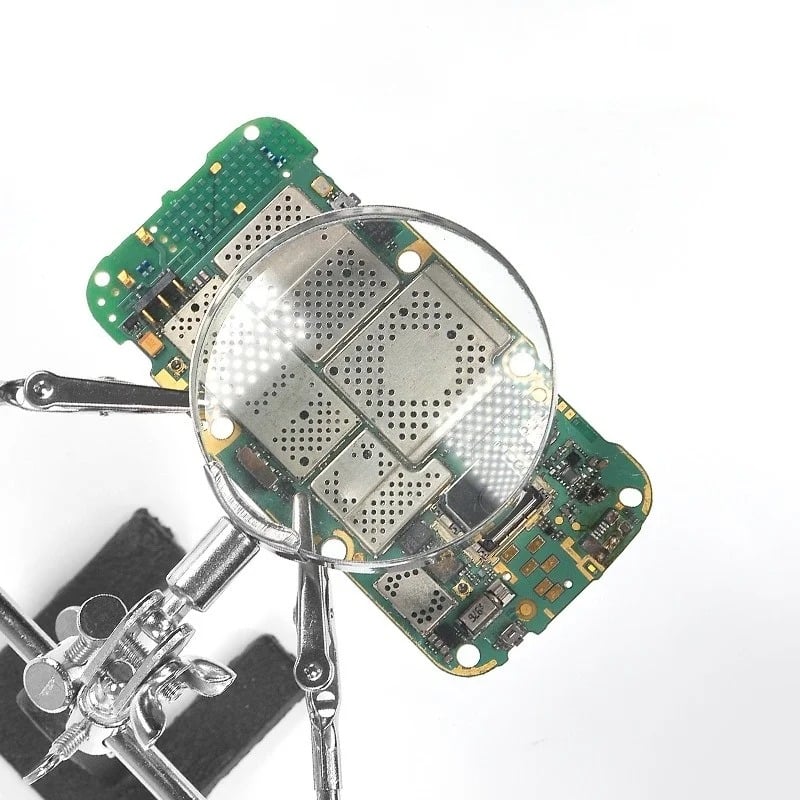
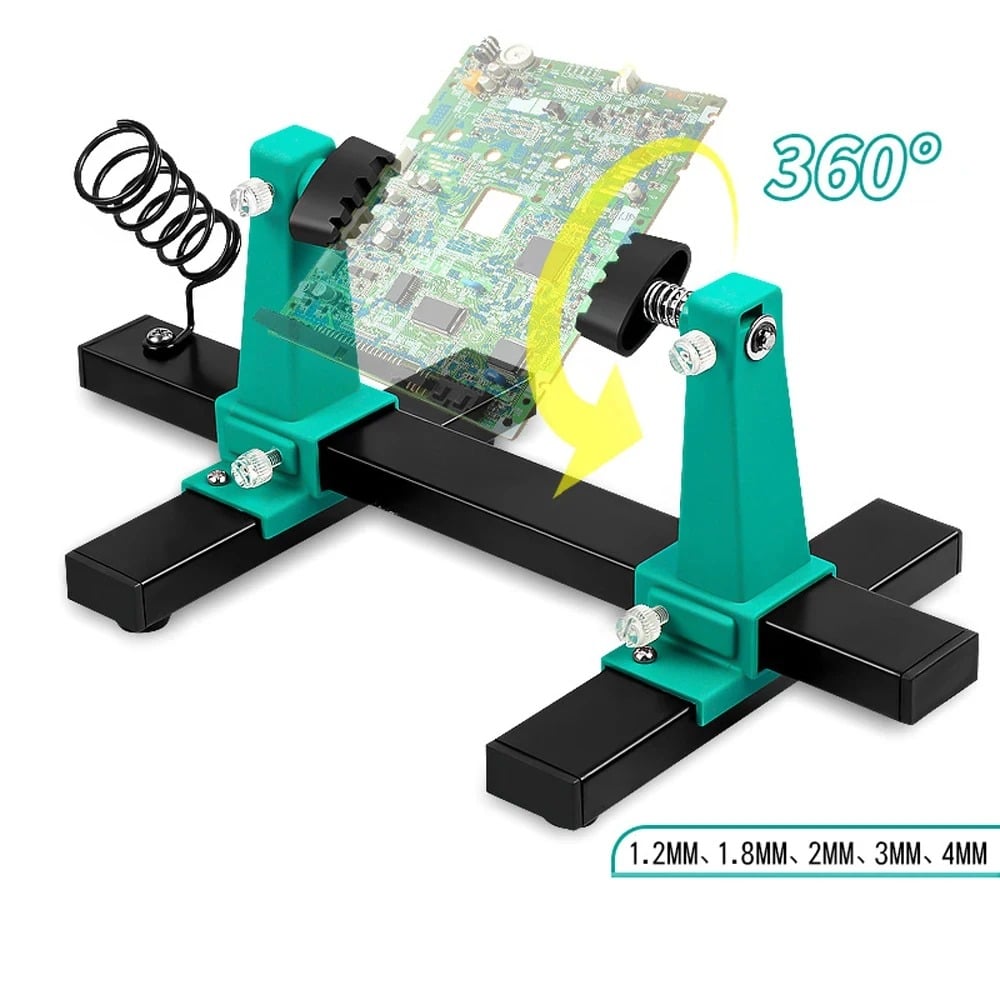
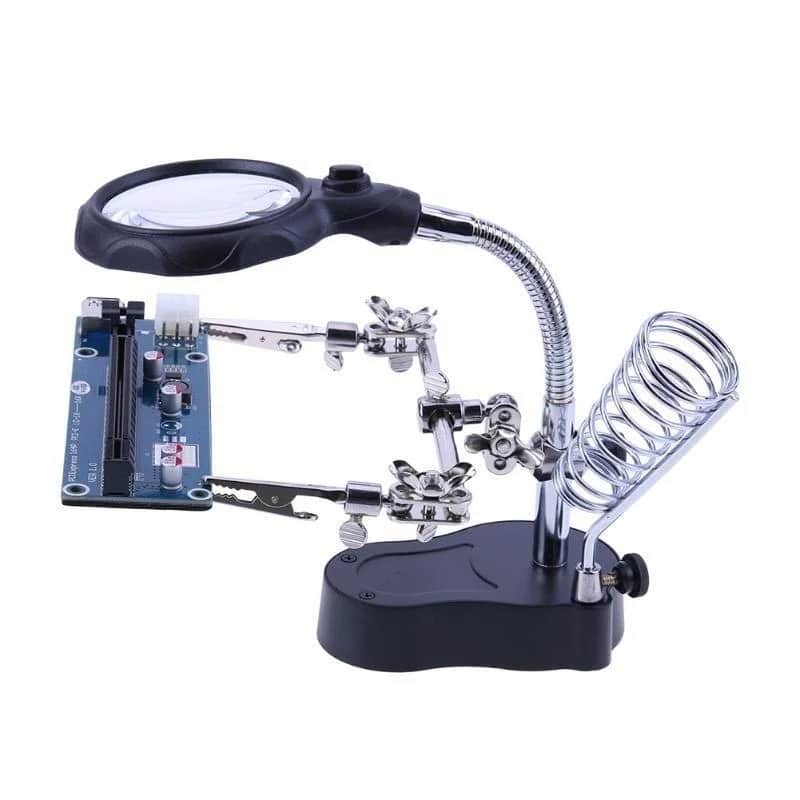
Many PCB holders also include magnifiers and adjustable clamps.
Benefits include:
- Better soldering accuracy
- Easier component placement
- Reduced hand fatigue
- Stable working platform
Despite being a simple tool, it is extremely useful in electronics work.
7. Solder Smoke Absorber
Solder fumes can be harmful when inhaled over long periods. A solder smoke absorber removes these fumes and improves the working environment.
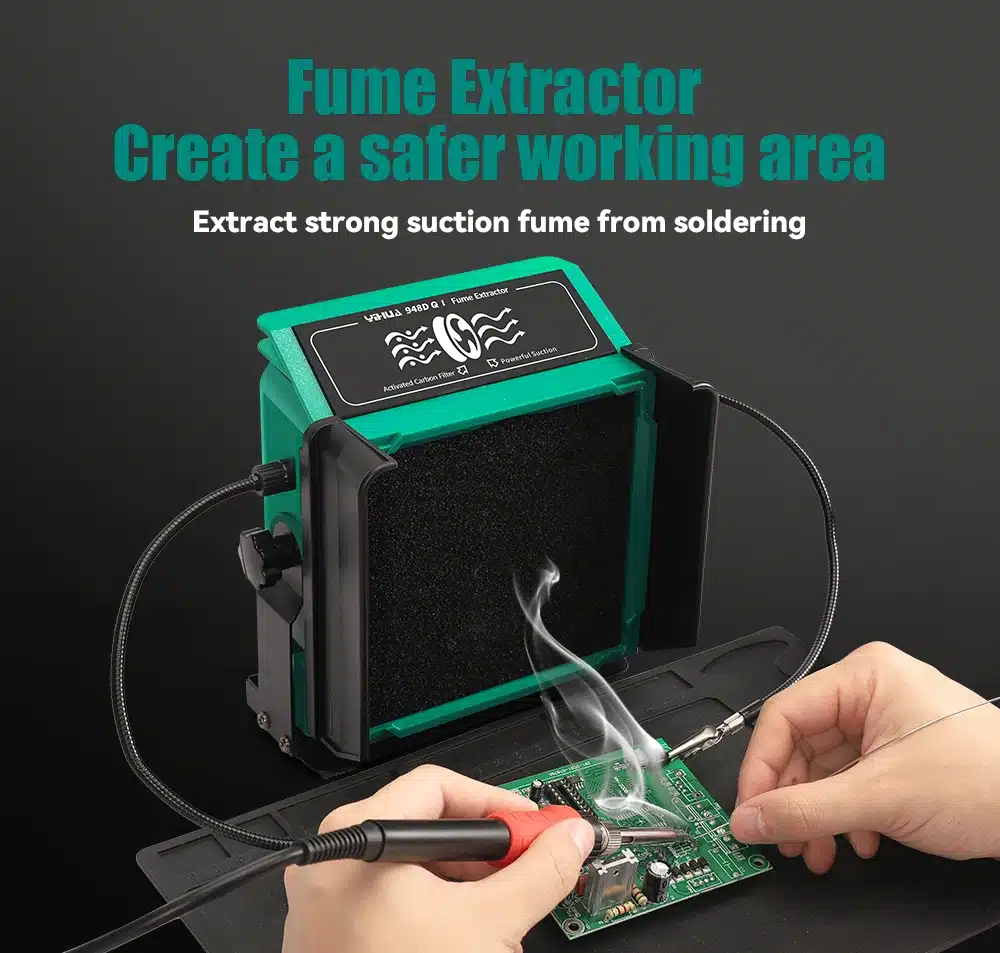
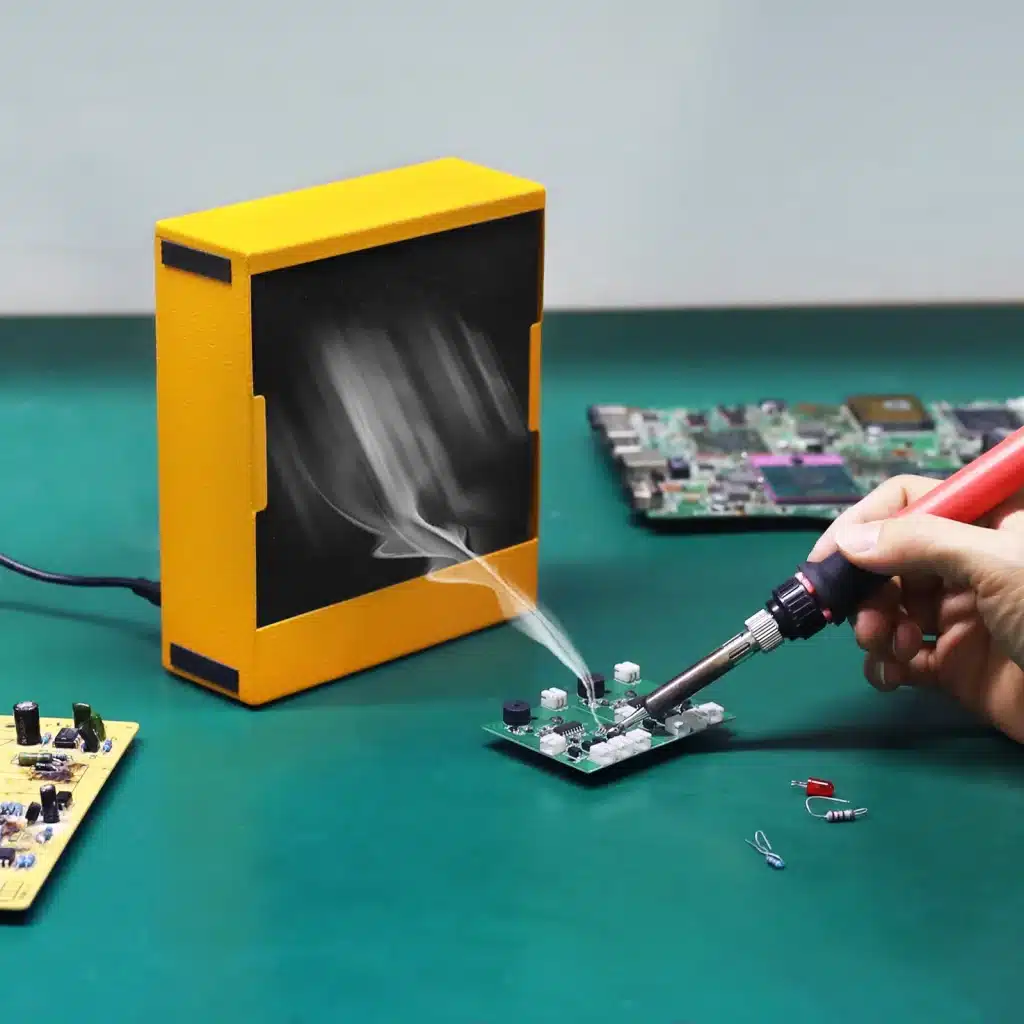
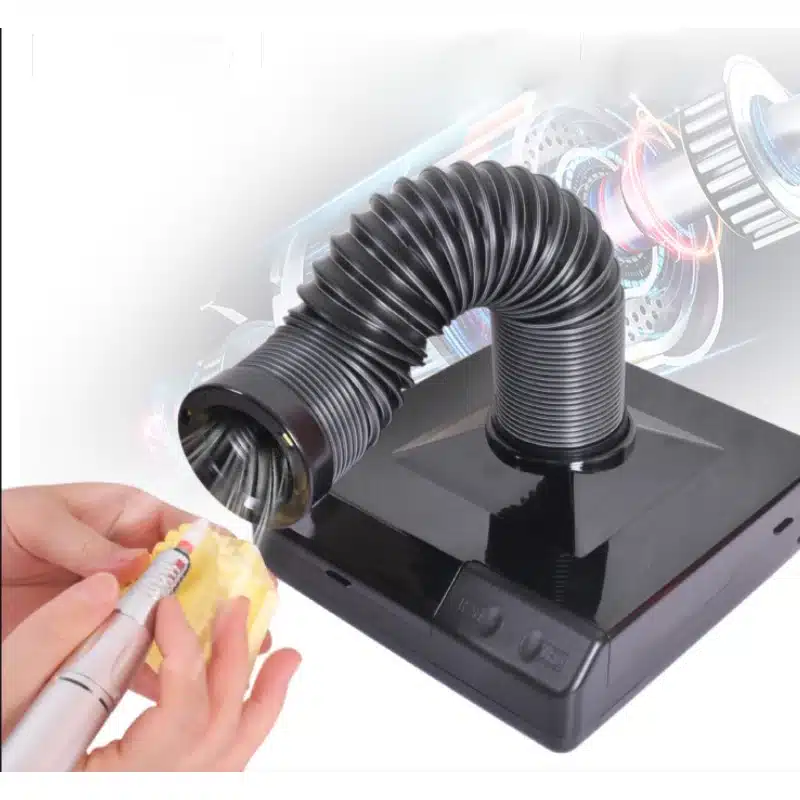
It usually consists of a small fan and a carbon filter that captures smoke particles generated during soldering.
Advantages include:
- Cleaner workspace
- Reduced exposure to solder fumes
- Better air quality around the workbench
For people who solder frequently, this tool improves safety and comfort.
8. Precision Screwdriver Set
Electronic devices often contain small screws that require specialized screwdrivers. Precision screwdriver sets include multiple bits designed for repairing electronic devices.
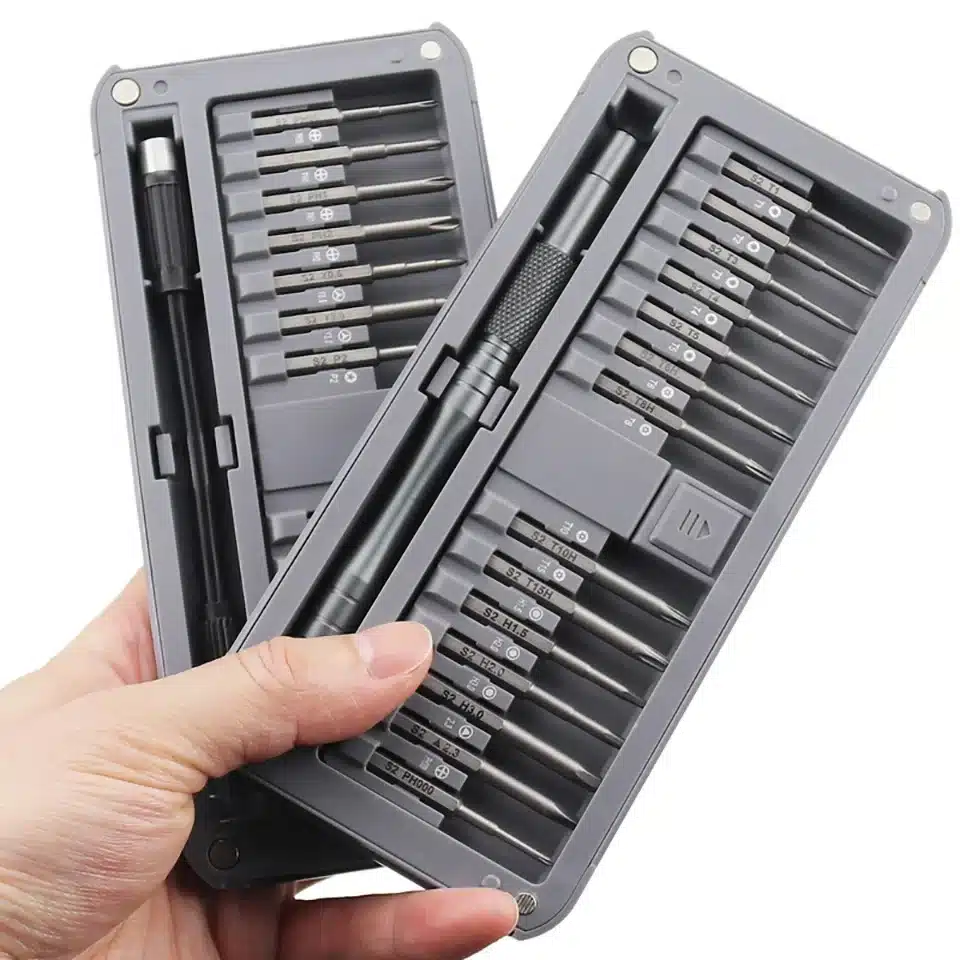
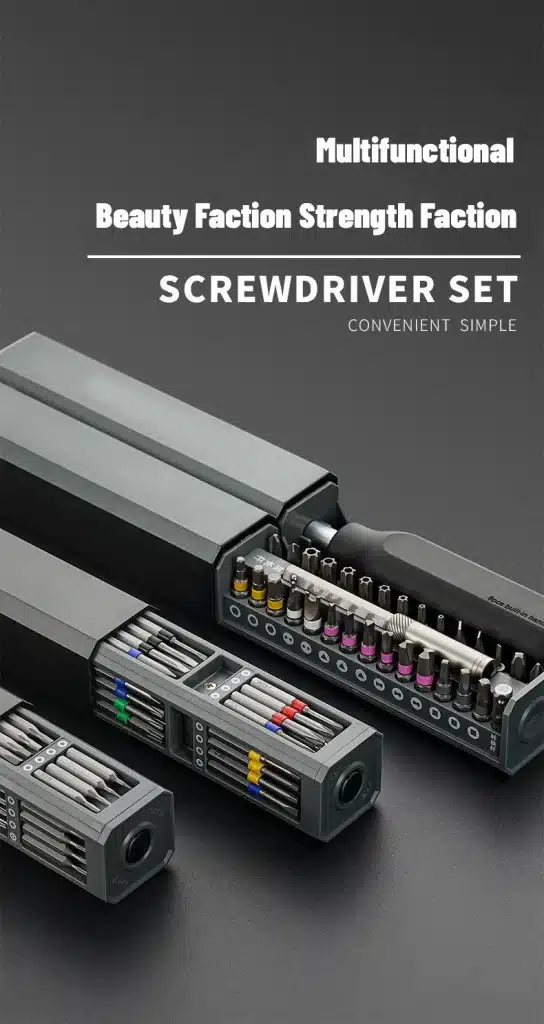
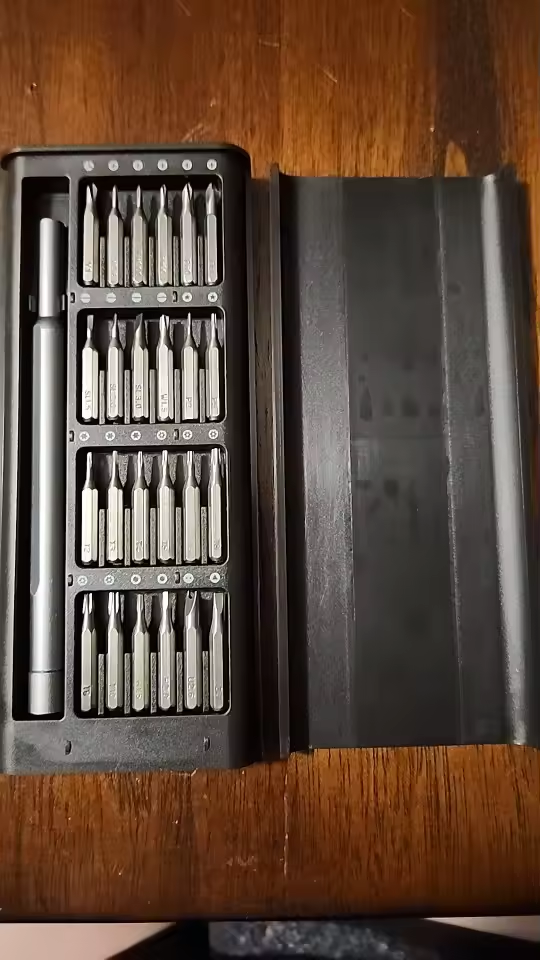
Typical bit types include:
- Phillips
- Flathead
- Torx
- Hex
- Security screws
These toolkits are commonly used for repairing phones, laptops, and electronic modules.
9. Wire Stripper
A wire stripper is used to remove insulation from electrical wires without damaging the conductor.
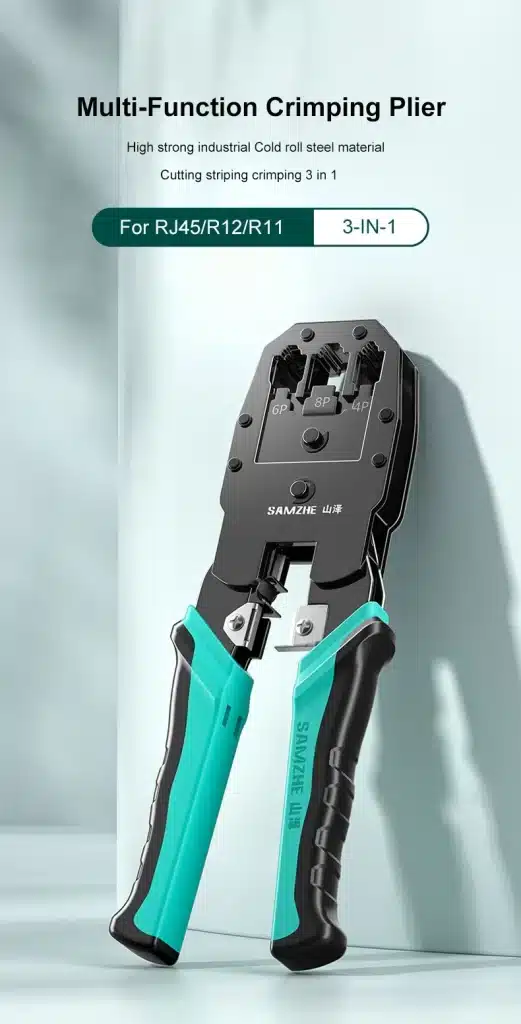

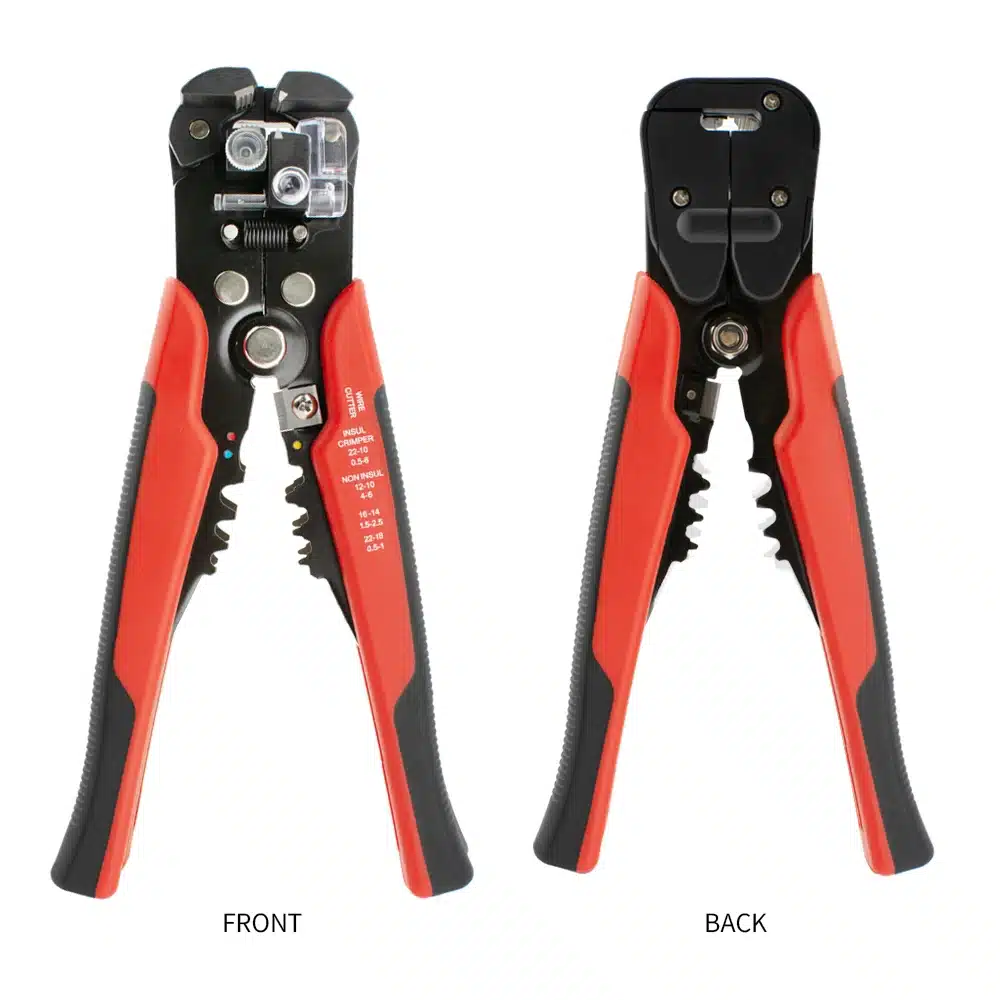
It is especially useful when preparing wires for soldering, connectors, or terminal blocks.
Advantages include:
- Faster wire preparation
- Clean stripping without damage
- Adjustable stripping sizes
Automatic wire strippers are particularly convenient for frequent use.
10. USB Power Meter
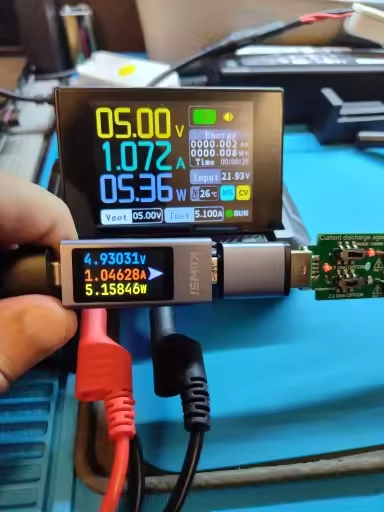
A USB power meter allows measurement of voltage, current, and power consumption of USB-powered devices.
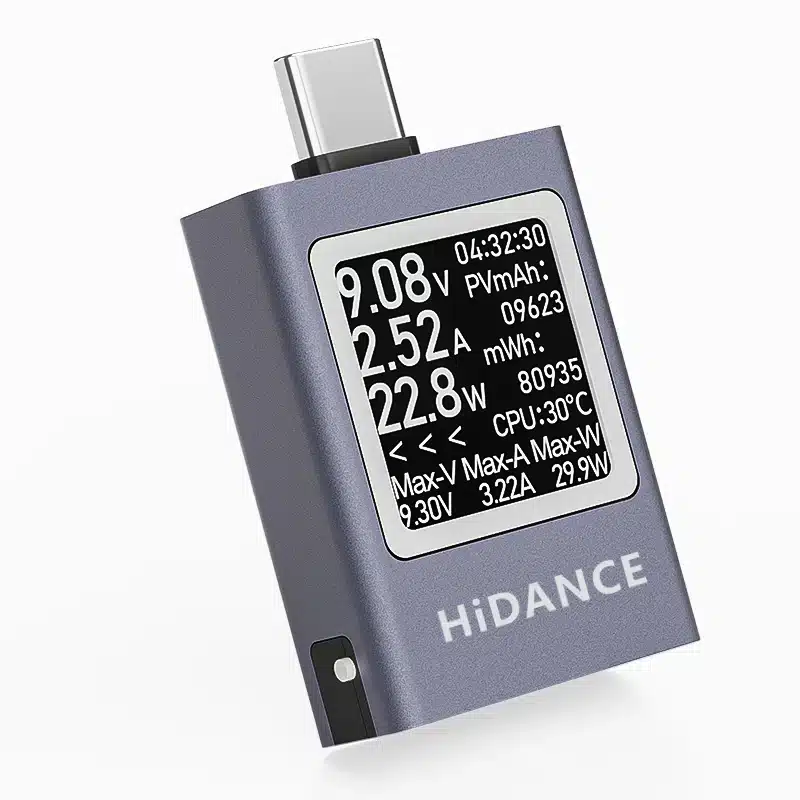
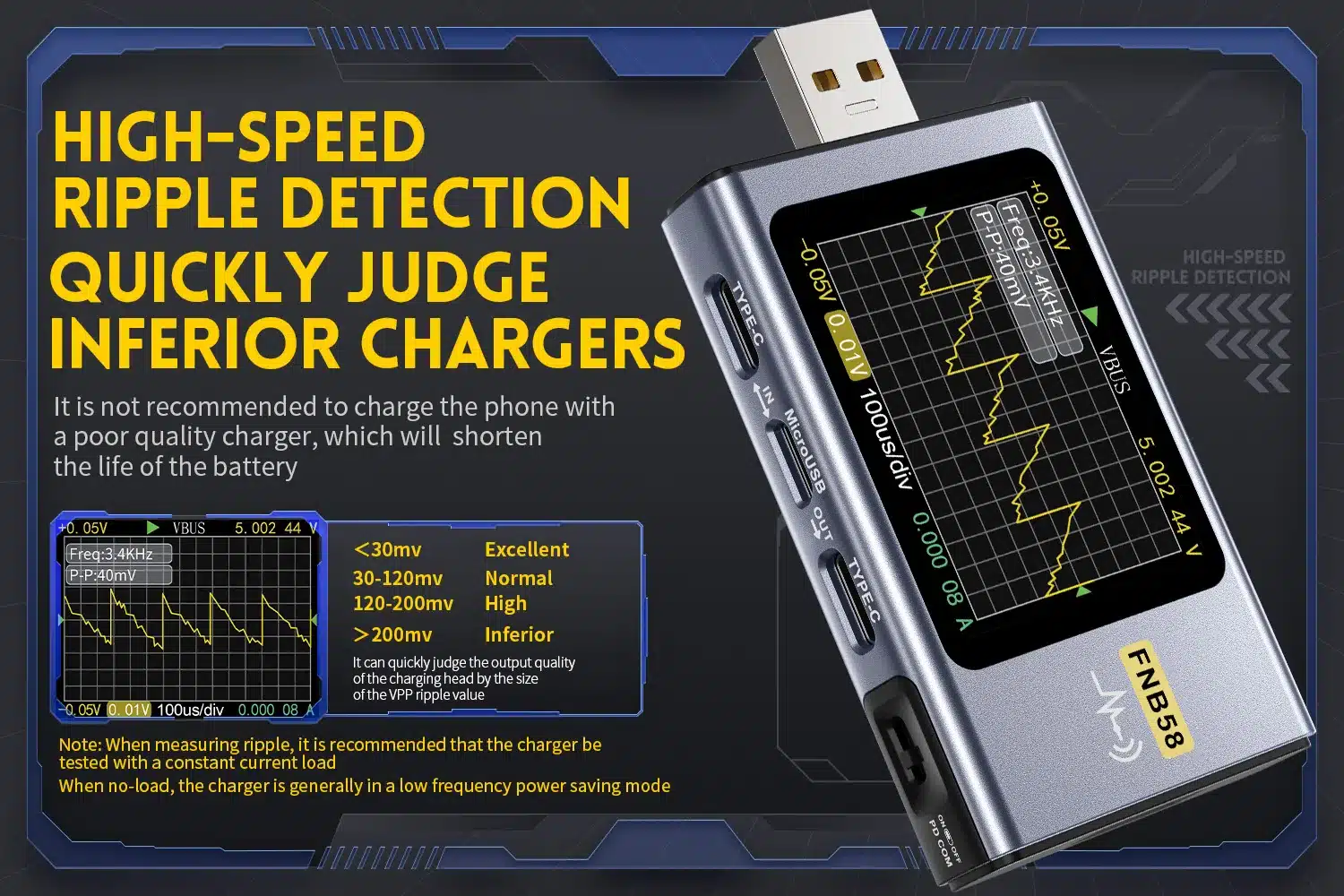
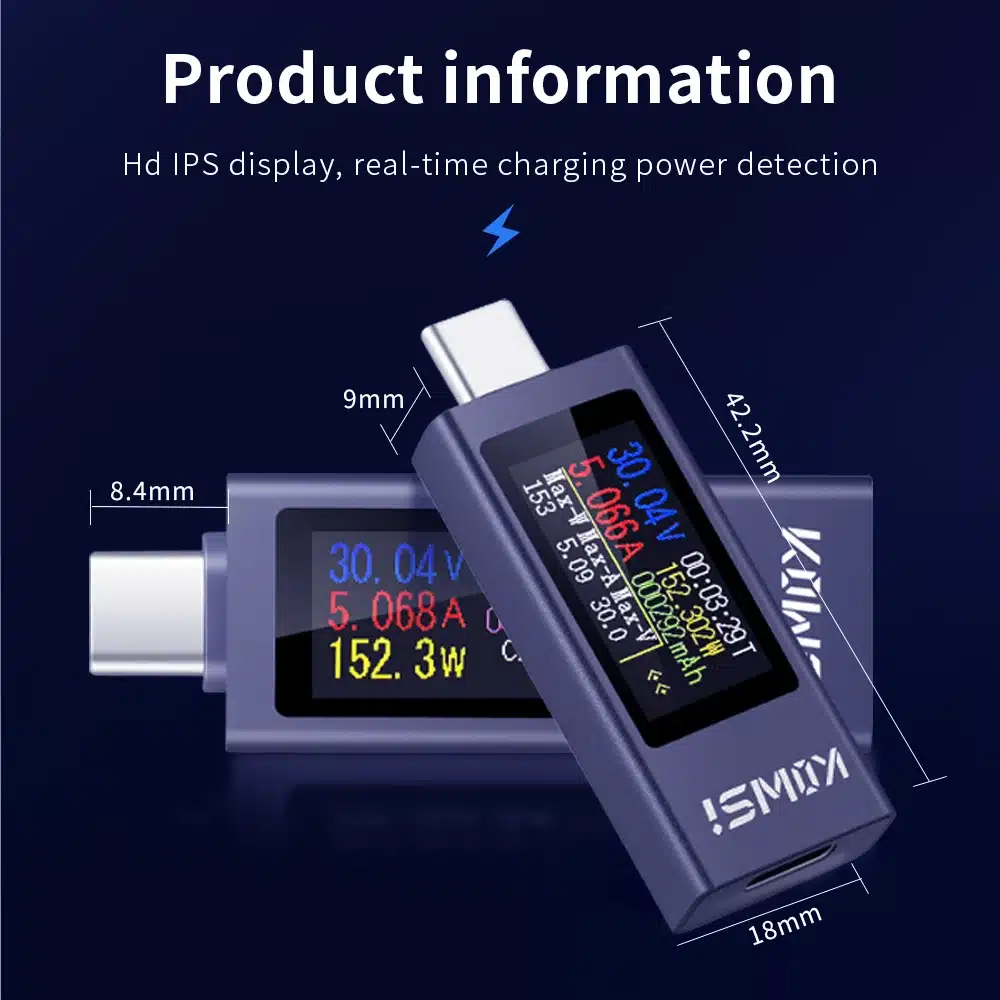
This small tool is very useful when testing chargers, power banks, and embedded electronics projects.
Typical uses include:
- Measuring USB current consumption
- Testing phone chargers
- Evaluating power bank performance
- Monitoring USB device power usage
For modern electronics projects, this tool can provide valuable insights into power behavior.
11. Mini Bench Power Supply
A bench power supply provides adjustable voltage and current for testing electronic circuits.
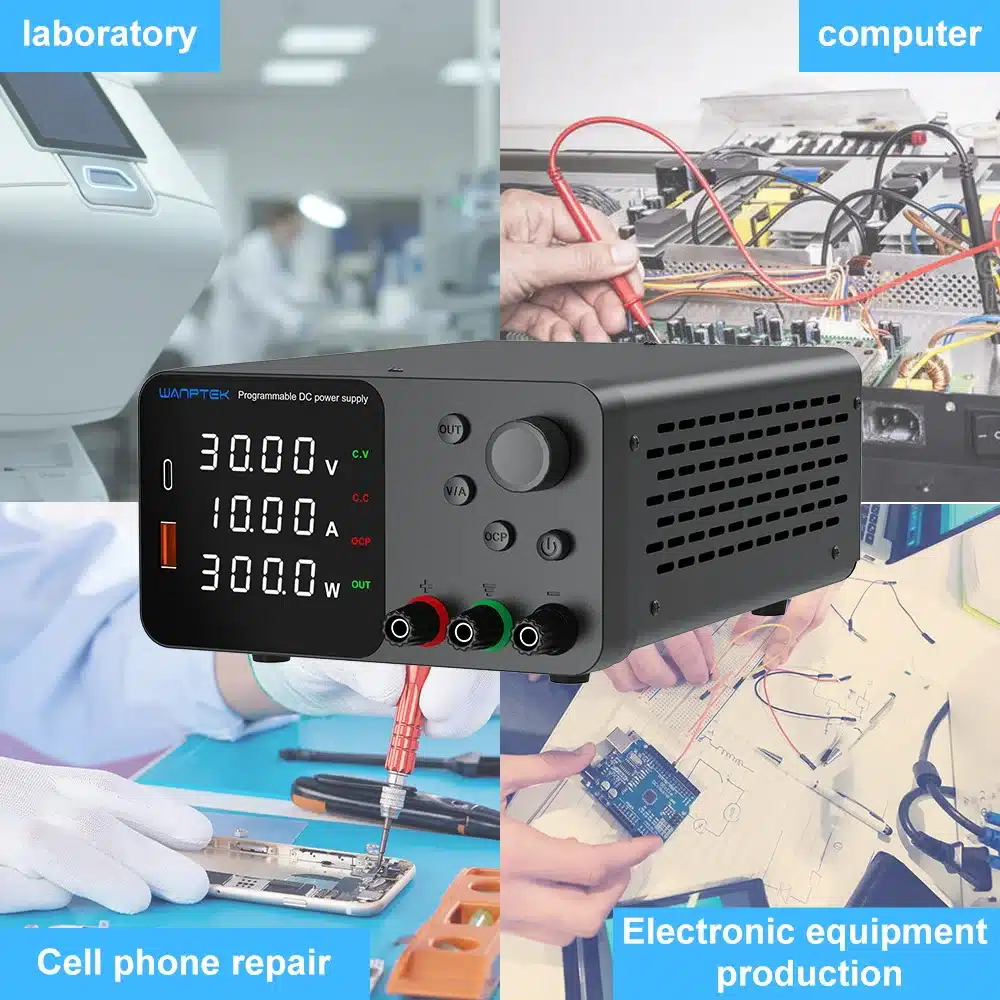
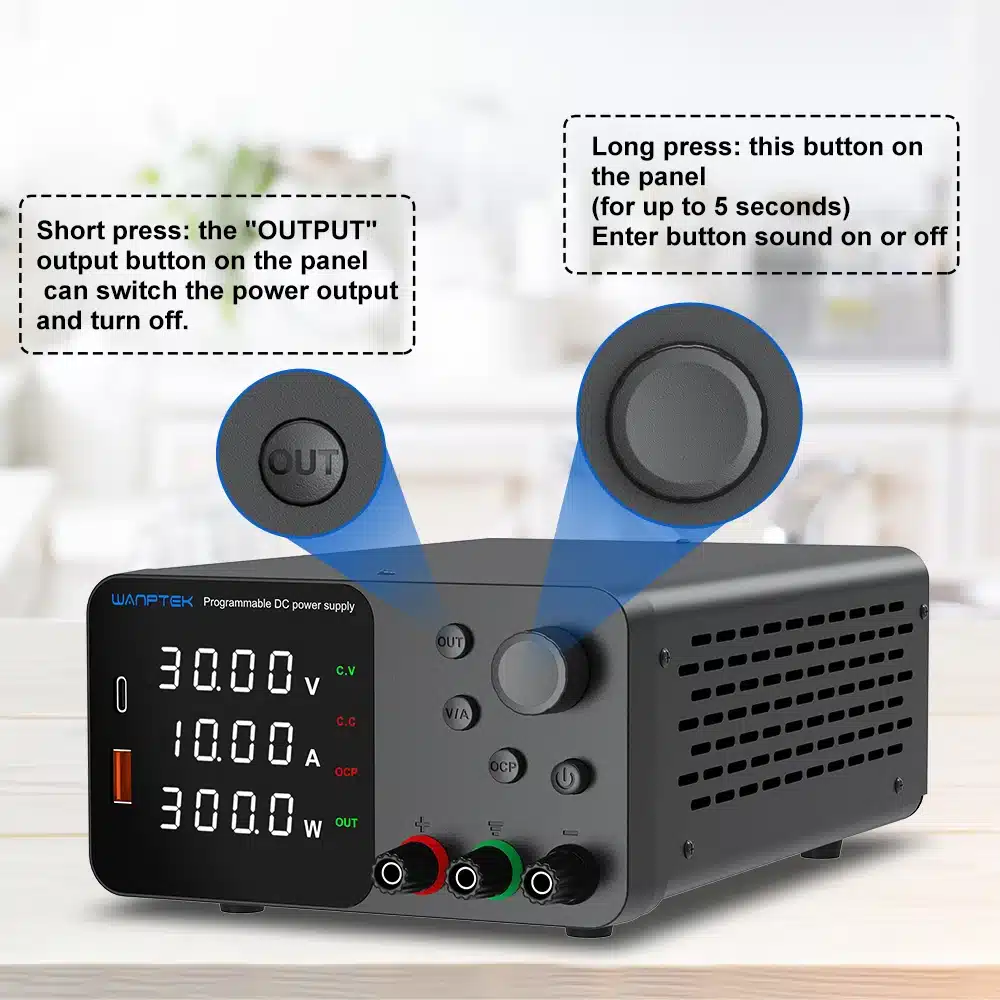
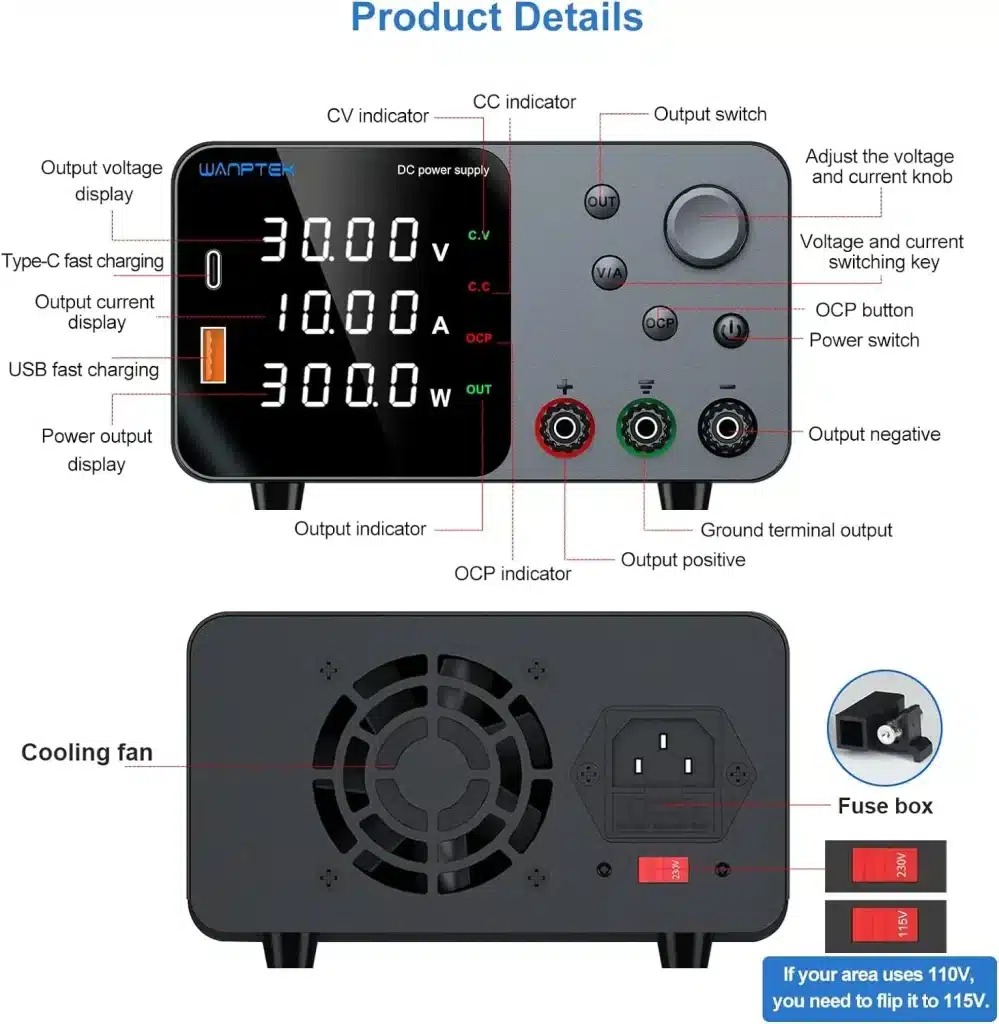
Unlike fixed power adapters, bench supplies allow precise voltage adjustment and current limiting.
Typical uses include:
- Powering prototype circuits
- Testing PCBs safely
- Current limiting during debugging
- Running microcontroller boards
A reliable bench power supply is a core component of any electronics lab.
12. Solder Wick (Desoldering Braid)
Solder wick is used to remove excess solder from PCB pads. It consists of a braided copper wire that absorbs molten solder.
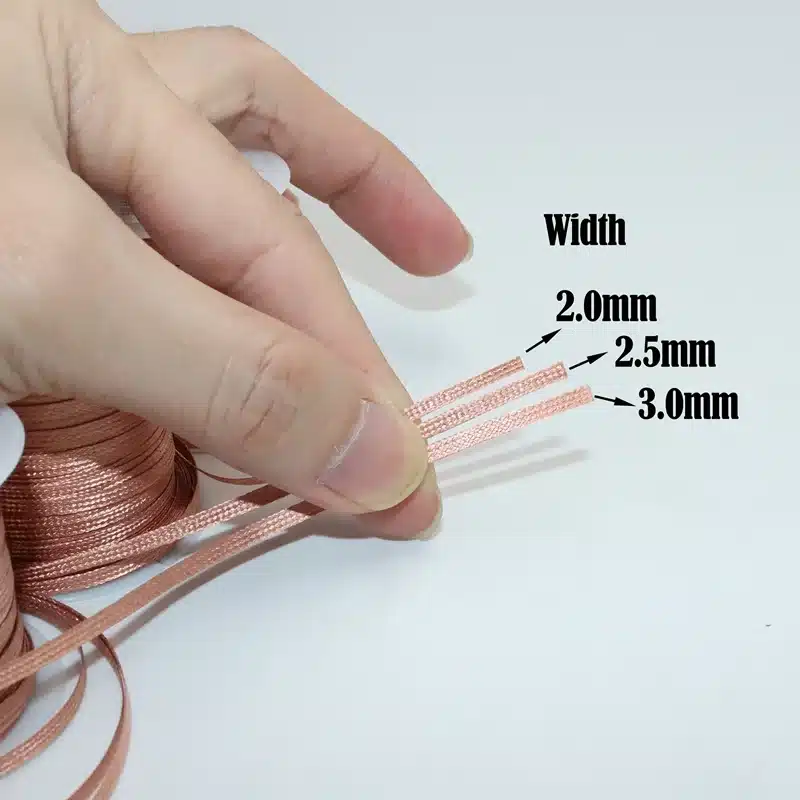
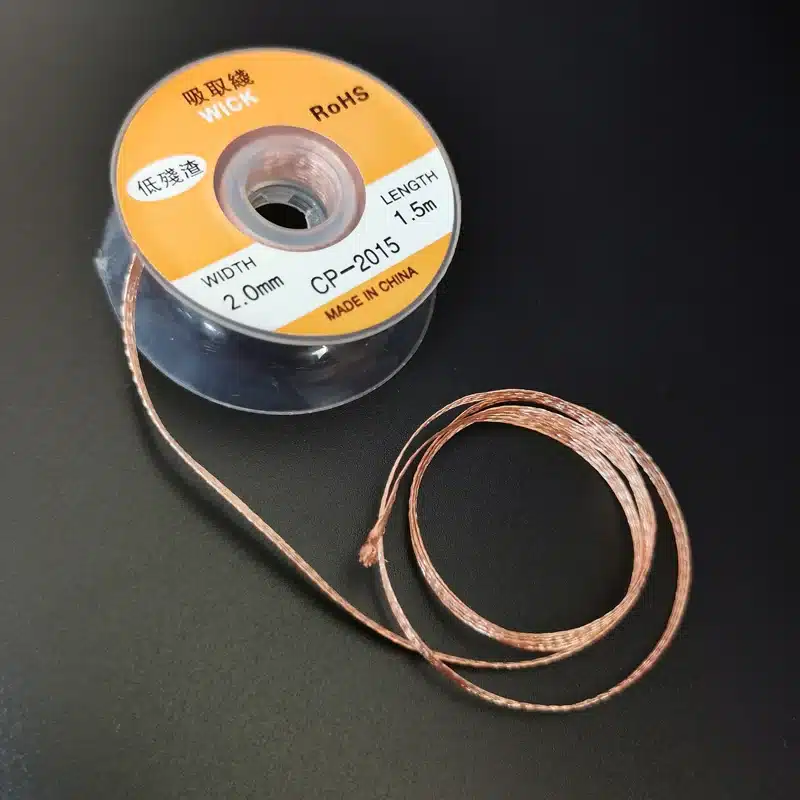
It is commonly used for:
- Cleaning solder bridges
- Removing solder from IC pins
- Preparing pads for component replacement
This inexpensive tool is extremely useful for PCB repair work.
13. Flux Pen
Flux improves solder flow and helps create strong solder joints.
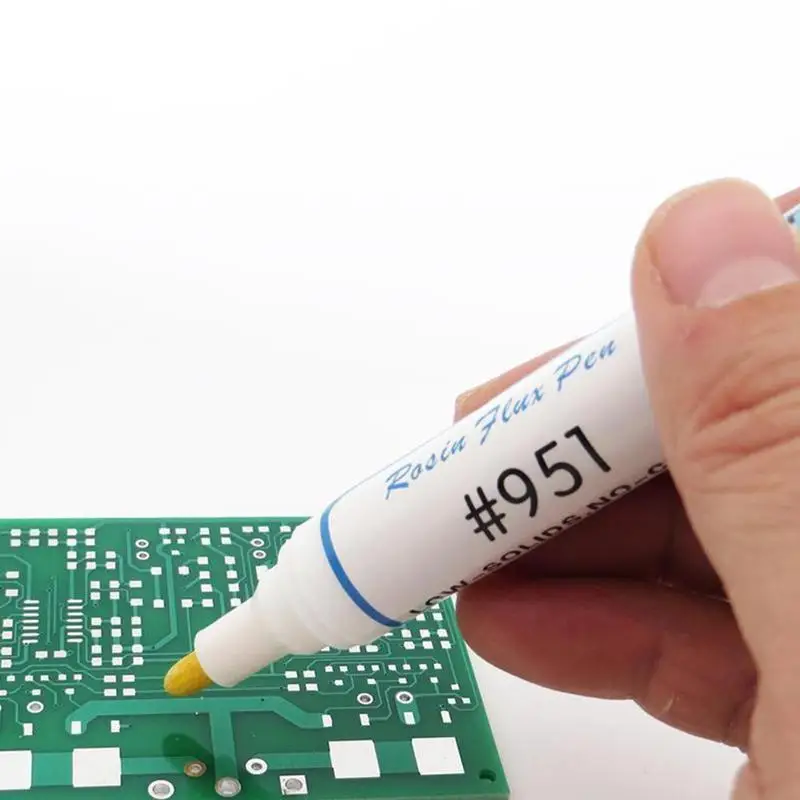
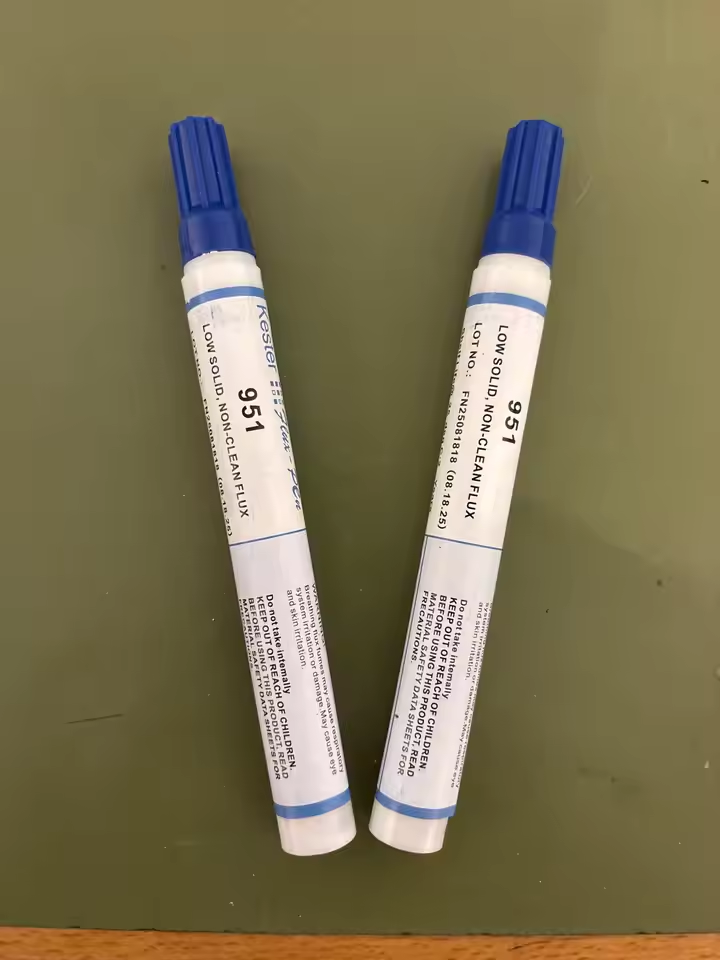
A flux pen allows precise application of flux on specific solder pads.
Benefits include:
- Better solder wetting
- Reduced solder bridges
- Cleaner solder joints
Flux is often considered a secret weapon for high-quality soldering.
14. Tweezers for SMD Components
Tweezers are essential for handling tiny surface-mount components.
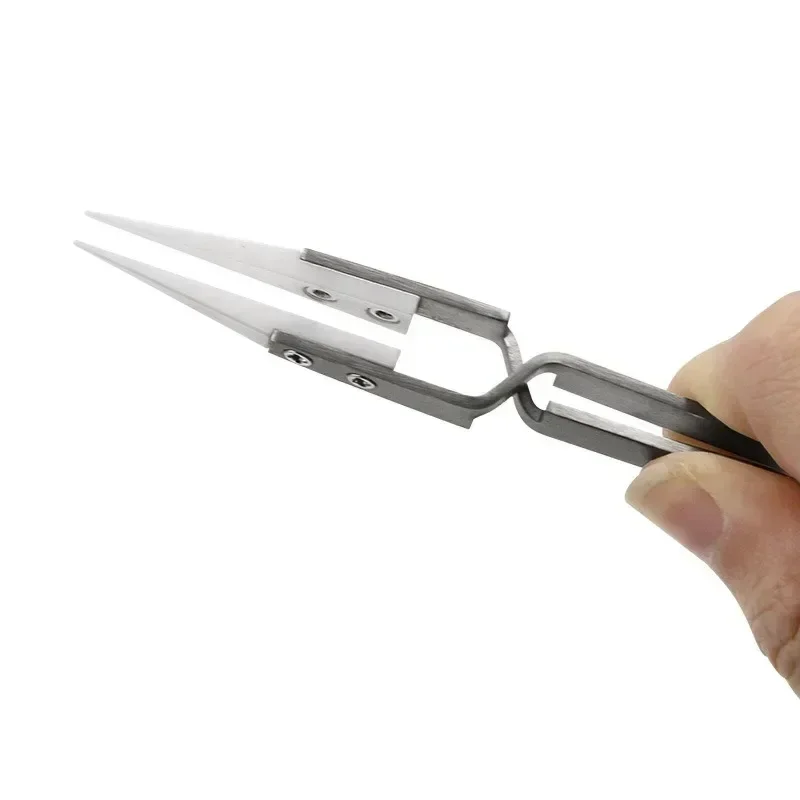
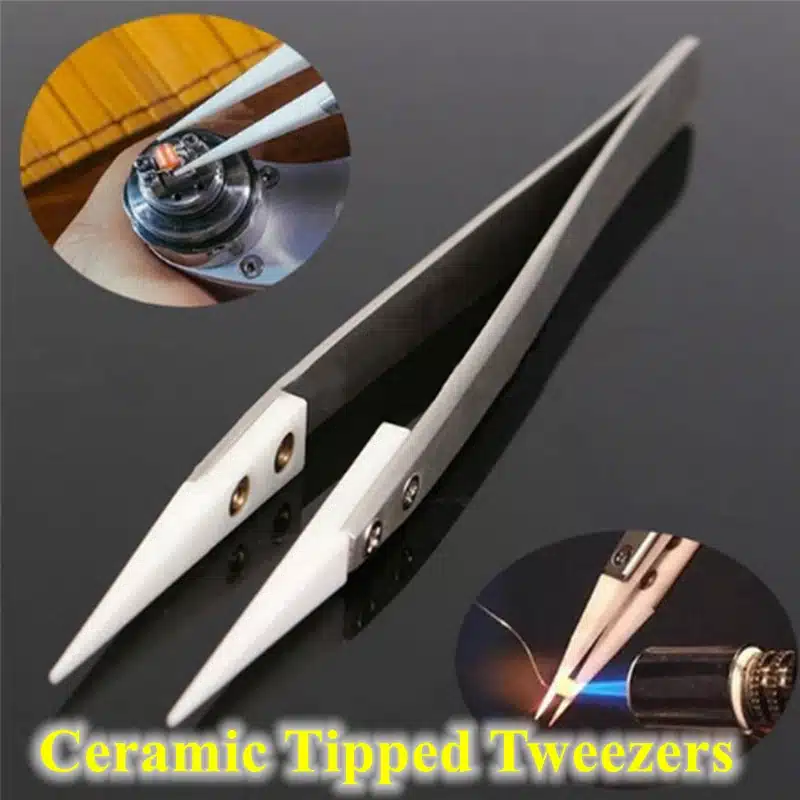
Precision tweezers allow accurate placement of resistors, capacitors, and ICs during PCB assembly.
Common uses include:
- Placing SMD components
- Adjusting component position during soldering
- Handling tiny connectors
Anti-static tweezers are preferred for electronics work.
15. Component Tester (Transistor Tester)
Component testers automatically identify electronic components and display their parameters.
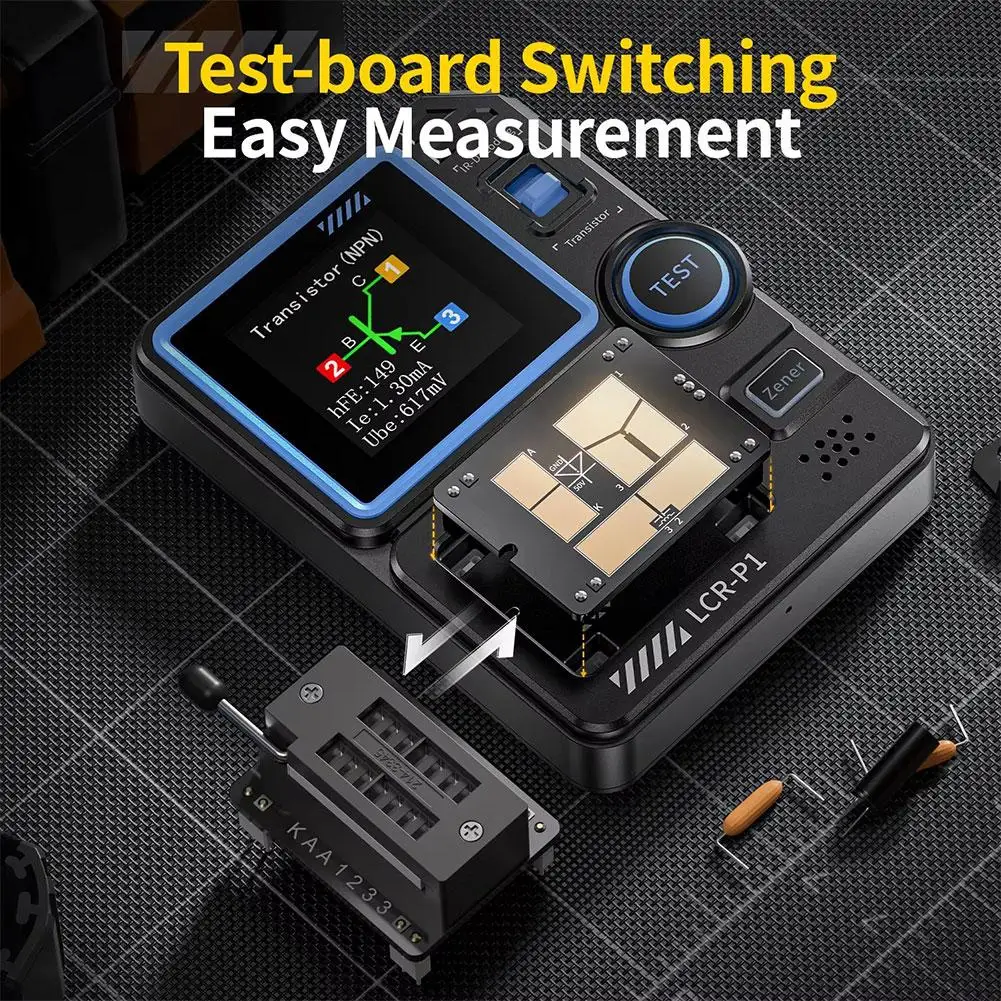
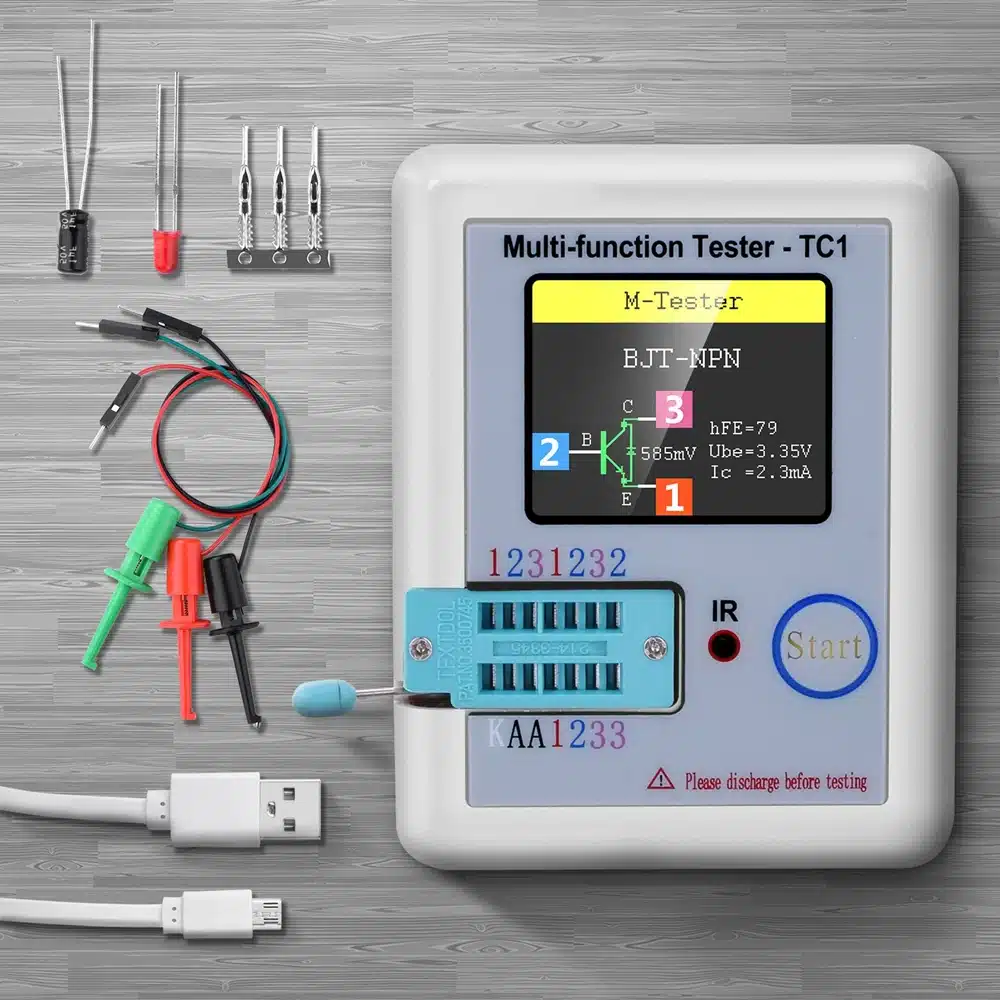
These devices can test:
- Transistors
- MOSFETs
- Resistors
- Capacitors
- Diodes
- Inductors
They are extremely helpful when working with unknown components or salvaged parts.
Conclusion
Having the right tools can significantly improve both the efficiency and quality of electronics work. While many beginners start with only a basic soldering iron and a multimeter, expanding the toolset gradually makes it easier to build, test, and repair more complex circuits.
Tools such as logic analyzers, USB microscopes, and bench power supplies help diagnose problems faster, while simple items like tweezers, flux pens, and PCB holders make everyday soldering tasks much easier.
The good news is that many of these tools are now available at affordable prices, making it possible to build a capable electronics workbench without a large investment.
Whether you are a student, hobbyist, or professional embedded engineer, having these essential tools on your workbench will make electronics development more efficient, enjoyable, and reliable.
Liked this article? Subscribe to our newsletter:
or,
Visit LabProjectsBD.com for more inspiring projects and tutorials.
Thank you!



0 Comments